It’s the Fighter, Not the Glove: UFC Contender Speaks on Controversial Eye Poke Fallout

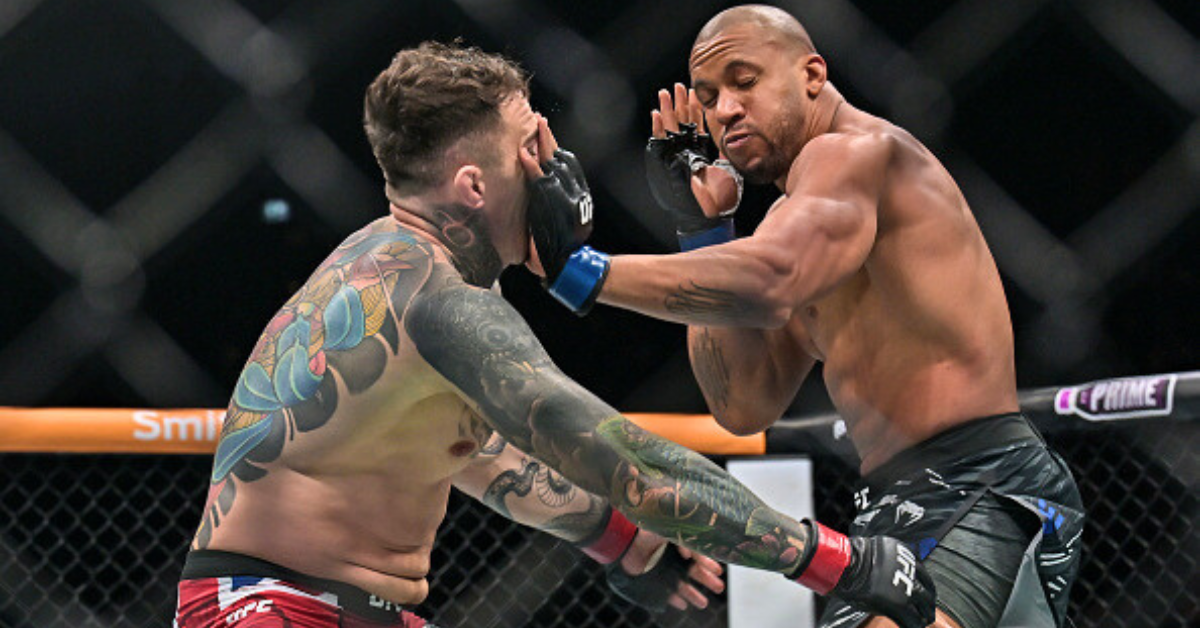
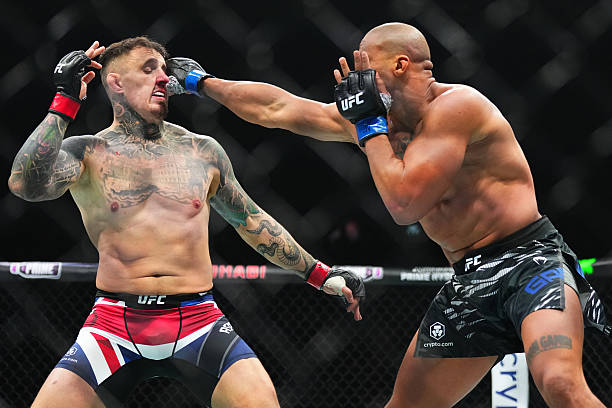
The aftermath of UFC 321 has reignited a debate within the mixed martial arts community about the persistent problem of eye pokes. The main event between heavyweight champion Tom Aspinall and challenger Ciryl Gane ended in anticlimactic fashion when Gane inadvertently poked Aspinall in both eyes during the first round, forcing the British fighter to withdraw from competition and resulting in a no-contest ruling.
Eye Poke Epidemic: MMA Community Divided on Cause and Solution After UFC 321 Controversy
The incident occurred with approximately 25 seconds remaining in the opening frame. Gane’s extended fingers made contact with both of Aspinall’s eyes simultaneously, prompting referee Jason Herzog to halt the action. After medical evaluation, Aspinall informed the cageside physician that he could not see clearly, leading to the fight’s termination. The champion was subsequently transported to a hospital for further examination.
Three days following the incident, Aspinall’s father revealed concerning details about the fighter’s condition. According to Andy Aspinall, his son remained unable to see from his right eye and experienced severely blurred vision in his left eye. Medical specialists conducted multiple examinations, with one doctor describing the situation as “serious” and “not good.”
The Glove Design vs Fighter Responsibility Debate
The UFC 321 controversy has divided the MMA community into two primary camps regarding the root cause of eye pokes. Leading voices have emerged on both sides, presenting compelling arguments about whether equipment or athlete behavior is primarily to blame.
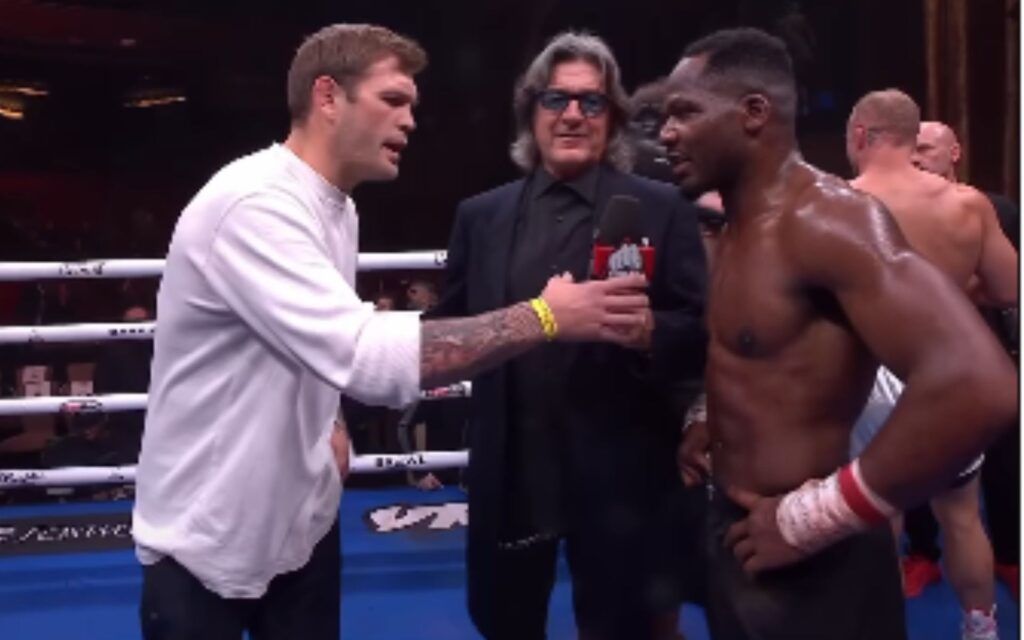
Former UFC fighters Brad Pickett and Josh Barnett advocate for glove design reform. Pickett, now a coach at Great Britain Top Team, champions the adoption of RIZIN-style gloves, which feature a curved design that naturally encourages fighters to maintain closed fists.
During demonstrations, Pickett showed how these gloves make it difficult to extend fingers fully, potentially reducing eye poke incidents. Barnett has similarly criticized current UFC glove design, describing them as “inherently flawed” due to the lack of proper thumb attachment and their failure to conform properly to the fist.
The UFC previously attempted to address this issue by introducing redesigned gloves in June 2024, intended to minimize eye pokes and hand injuries. However, following complaints from fighters about their performance, the organization reverted to the original design by November 2024. UFC CEO Dana White acknowledged the failure, stating that despite good intentions, the new gloves simply “didn’t work out.
In stark contrast, veteran fighter Jim Miller, who holds the record for most UFC fights at 46 bouts, argues that the responsibility lies entirely with the fighters themselves. Miller contends that while UFC gloves may limit the ability to fully close one’s hand, they do not prevent fighters from at least partially closing their fists. He emphasizes that in his extensive career, spanning thousands of sparring rounds and competition fights, he has never poked an opponent in the eye.
Chael Sonnen, who competed professionally for 22 years, supports Miller’s position with personal testimony. Speaking on The Ariel Helwani Show, Sonnen expressed bewilderment at the frequency of eye pokes, stating his experience mirrors Miller’s:
“I love when Jim Miller said it’s not the gloves; it’s the fighters. I did the sport professionally for over 20 years. I never poked anybody in practice or the cage. Your fingers are in charge of your hand. Demetrius Johnson said that in Muay Thai, you open your hands to throw kicks. But this isn’t Muay Thai; this is MMA. You can’t adapt technique and expect no eye pokes? That’s hogwash. You can’t do this or this in MMA. Close your fists or keep your hands safe. The UFC gloves don’t prevent pokes enough, but a responsible athlete closes their hand.”
The Technical Debate: Muay Thai Influence and Fighting Techniques
Former UFC flyweight champion Demetrious Johnson has offered a different perspective, arguing that eye pokes are an unavoidable aspect of MMA due to technical requirements. Johnson explains that proper Muay Thai technique necessitates open hands when throwing kicks, as fighters are taught to extend their hands toward opponents’ faces while executing lower body strikes. He contends that this natural movement pattern makes eye pokes inevitable in mixed martial arts.
However, Sonnen disputes this reasoning, arguing that fighters must adapt their techniques to the specific ruleset and equipment of MMA rather than blindly applying traditional martial arts methods. He emphasizes that MMA requires different technical adaptations than pure Muay Thai, just as wrestling techniques must be modified when transitioning between different grappling disciplines.
Cultural and Enforcement Issues
Miller has identified what he considers a “cultural problem” within the UFC’s approach to eye pokes, contrasting it with other organizations’ handling of similar infractions. He points to PRIDE Fighting Championships as an example, where yellow cards and immediate financial penalties created accountability for fighters who committed fouls. Under PRIDE’s system, fighters faced automatic 20 percent fines for eye pokes, creating strong incentives to maintain proper hand positioning.
The current UFC system provides limited deterrent effect, as fighters rarely face meaningful consequences for eye pokes. In Gane’s case, despite causing the fight-ending injury, he retained his guaranteed title shot opportunity and full purse payment. This lack of accountability potentially creates perverse incentives, as highlighted by Sonnen’s observation that Gane faced no negative consequences despite committing the foul.
Multiple industry figures have proposed stricter enforcement measures. Some advocate for automatic point deductions following any eye poke, regardless of intent. Others suggest immediate disqualification when fighters cannot continue due to eye injuries, eliminating the current distinction between intentional and unintentional fouls.
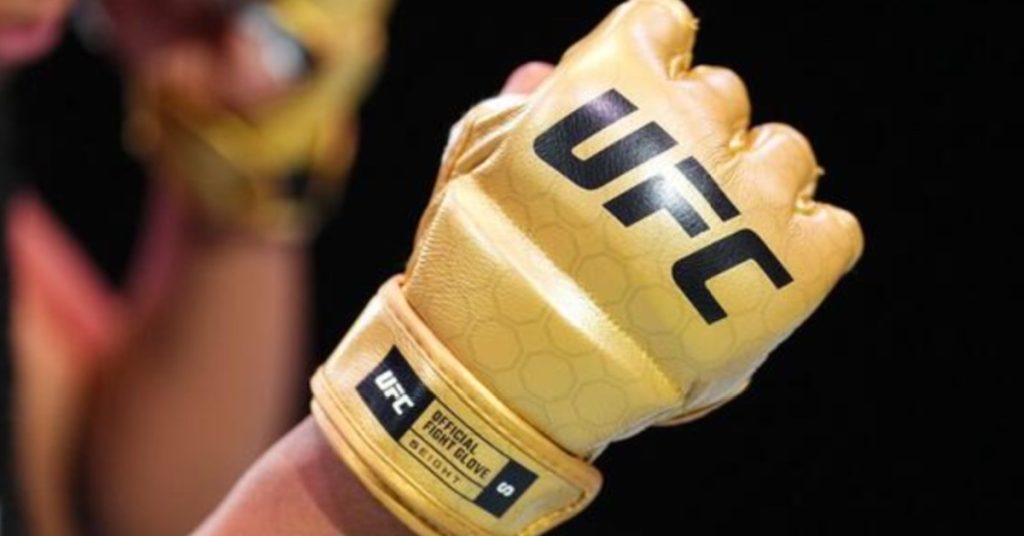
The MMA community continues to explore various approaches to addressing the eye poke problem. Equipment manufacturers are developing new glove designs that could reduce finger extension while maintaining grappling functionality. These include curved glove designs similar to those used in PRIDE and RIZIN competitions.
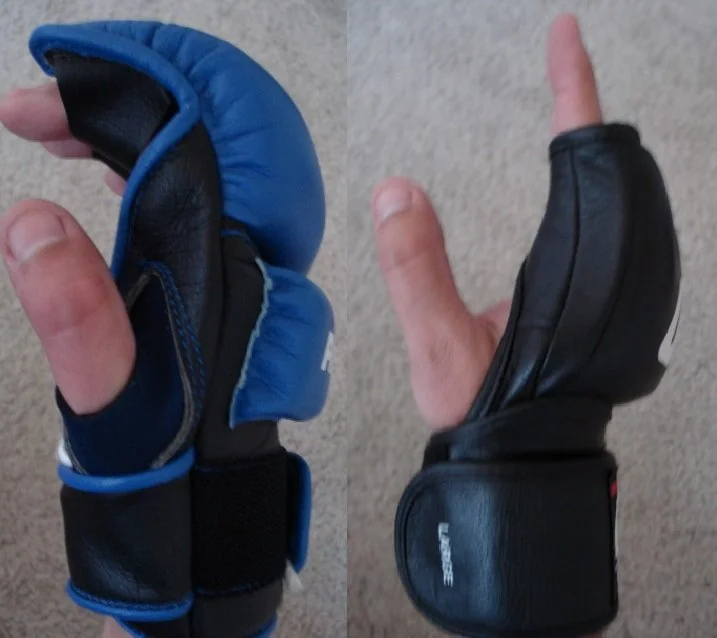
Regulatory bodies are considering rule modifications that could include stricter penalties and clearer enforcement guidelines. Some proposals involve eliminating referee discretion regarding intent, implementing automatic consequences for any eye contact regardless of circumstances.