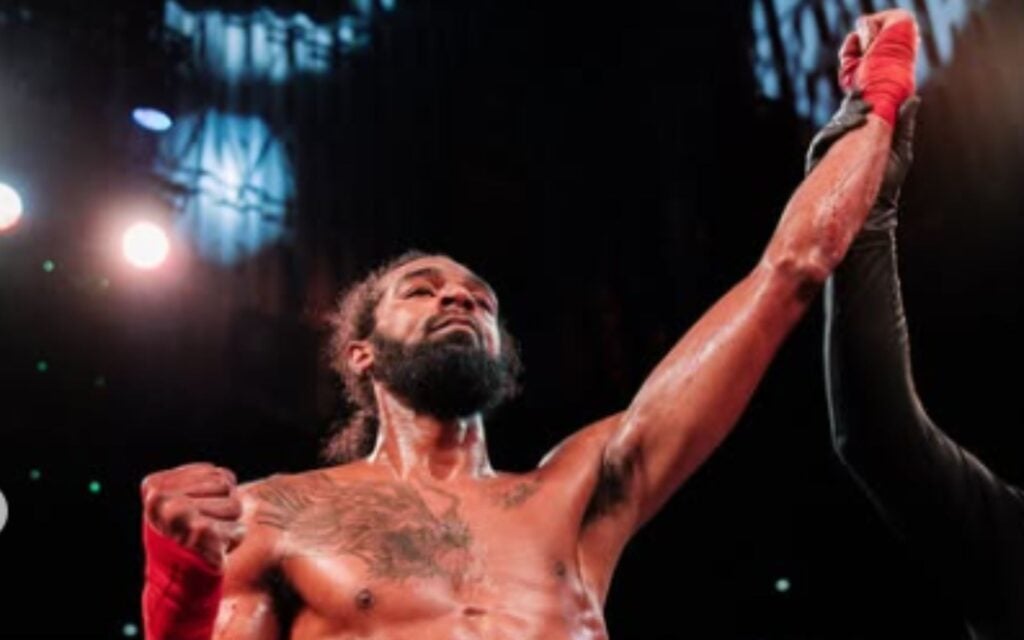
Dana White Says UFC Freedom 250 Is a Celebration of Immigrants – But Some Aren’t So Sure

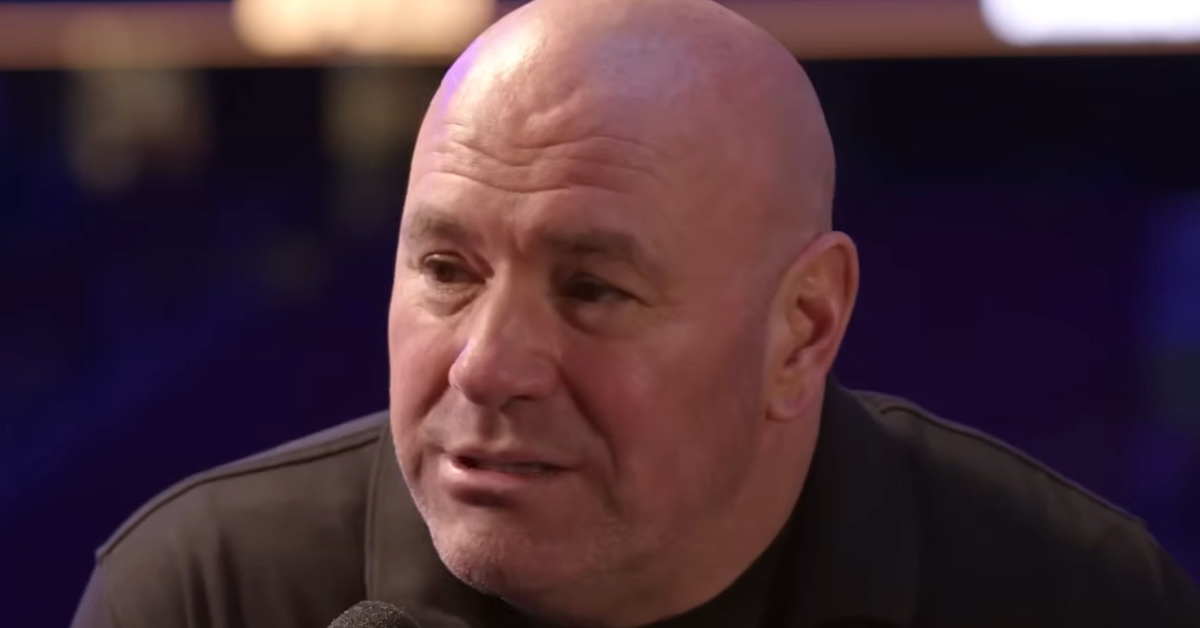
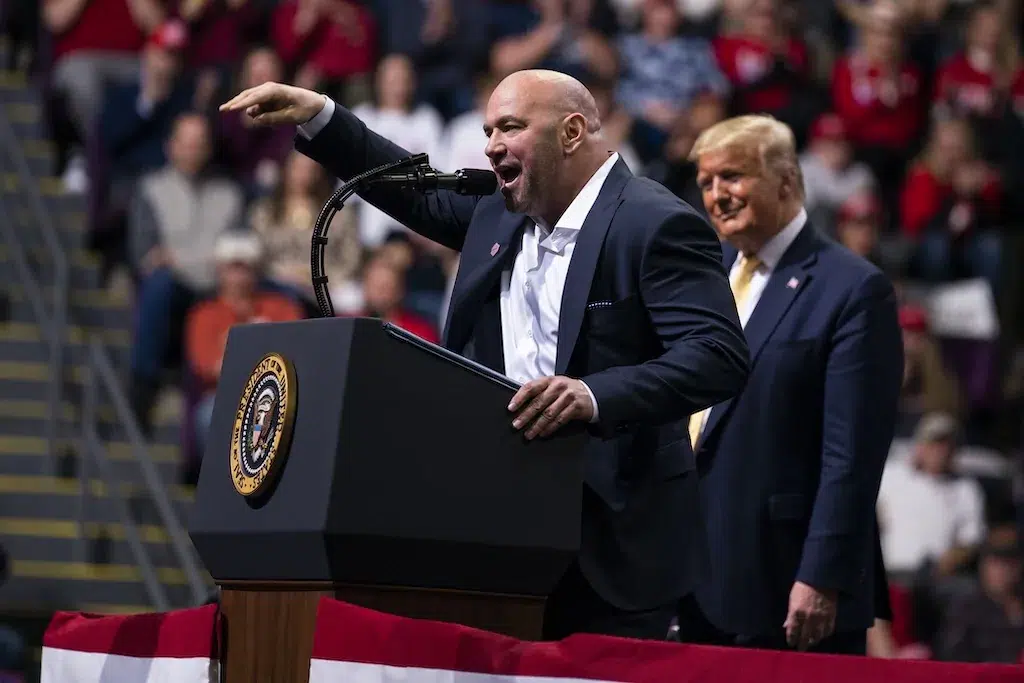
Dana White had a clear message when he sat down with NPR‘s Steve Inskeep at Newark’s Prudential Center on May 8: the UFC’s White House fight night on June 14 is not going to be America versus the world. The UFC president explained that the upcoming UFC Freedome 250 event:
“Everybody thought that I was going to build a card, America versus the world, where we did the exact opposite. America is a country of immigrants that all came from somewhere else and they’re all going to be represented.”
That was Dana White’s opening argument for how he put together UFC Freedom 250, a seven-fight card scheduled for the South Lawn of the White House to mark the 250th anniversary of the United States. The event also falls on June 14, President Donald Trump’s 80th birthday, a detail that has fueled debate about whether the night is about patriotism, sport, or politics.
Dana White Wants to Celebrate Immigrants with the UFC White House Event
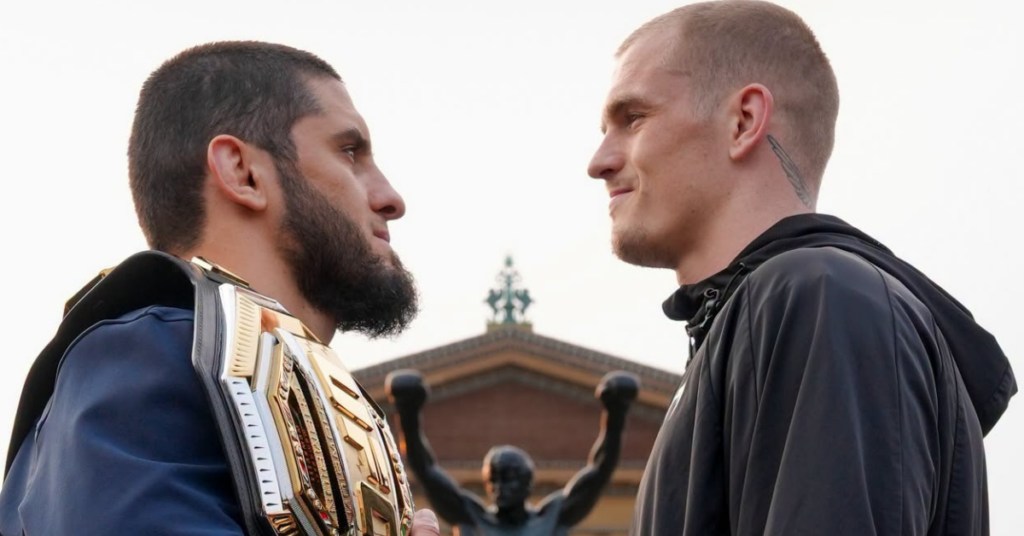
White’s philosophy, as he laid it out in the NPR interview, is that the UFC is fundamentally a global organisation. The fight card reflects that. Headlining the event is UFC lightweight champion Ilia Topuria, whose family were refugees who fled the ethnic cleansing of Georgians in the Abkhazia region in the 1990s. Born in Germany, he moved to Georgia as a child and then to Alicante, Spain at age 15, and now represents both Georgia and Spain. He is the first Georgian and the first Spanish UFC champion in history.
His challenger, Justin Gaethje, represents the American side of that coin, an Arizona athlete whose family spent generations working the Morenci copper mine. Gaethje himself worked 12-hour shifts at the mine as an 18-year-old after high school.
In the co-main event, Alex Pereira, a Brazilian with roots in the indigenous Pataxó tribe of Bahia, makes his heavyweight debut against Frenchman Ciryl Gane, who has Caribbean heritage through his father’s family from Guadeloupe. Pereira grew up in the favelas of São Paulo and dropped out of school to work as a bricklayer before eventually finding his way to combat sports.
White said the backgrounds of the fighters are exactly the point and he also acknowledged he pushed to fill every corner of the globe on the card.
“People that are this tough come from tough backgrounds… I tried hard to have a Chinese fighter on the card too, but it didn’t work out.”
When Inskeep raised the old WWF playbook, where characters like the Iron Sheik were designed for fans to boo as the foreign villain, White was quick to separate himself from that model.
“That wasn’t my thought process. Everybody thought that it’s the Fourth of July, it’s the 250th birthday of America, an American versus a foreigner where hopefully all Americans win and America feels – no, we did the exact opposite. We are a global sport.”
He went further, pointing to the Russia-Ukraine war as an example of the line he has consistently held on keeping international fighters under contract regardless of what is happening geopolitically.
“When the Russia-Ukraine war started, I had people going, ‘Are you going to have Russians?’ Yeah, we’re going to have Russians fight. We have Russians under contract. This is how my guys feed their families.”
That last point cuts to the core of how White frames the UFC’s roster, it is not a political roster, it is a working one. Fighters from difficult places and difficult circumstances are the product, and their personal stories are what he sells every Saturday night.
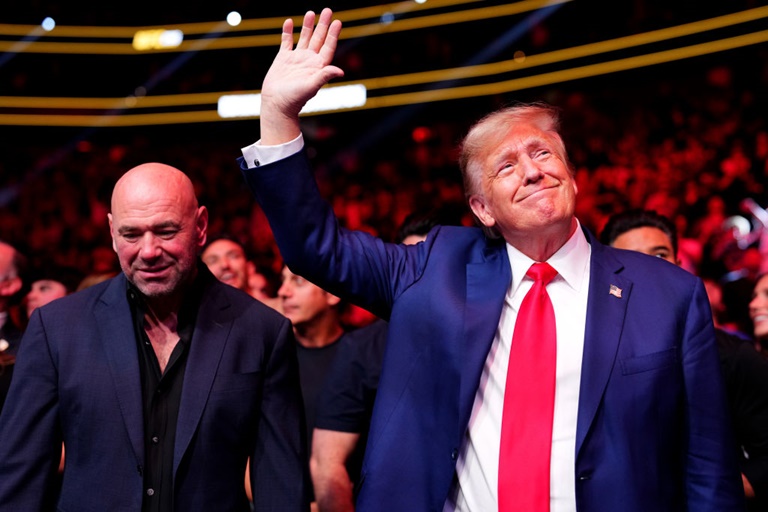
Dana White’s Immigrant Card at Trump’s White House: Celebration or Contradiction?
The interview became more pointed when Inskeep raised the obvious question: many of the fighters White is celebrating are exactly the kind of people the current administration has targeted for removal. Topuria‘s family were refugees. Others on the card come from countries whose nationals have faced legal complications under Trump’s immigration policies. White responded:
“That’s not necessarily true either. What the president wants is what everybody has talked about, including the Democrats back in the day: you have to get documented the right way. There are a lot of people waiting in line to get green cards in this country. The borders have been open for the last four years, and lots of criminals came in here, lots of bad people. They got them out first.”
He did not directly address what Inskeep raised next: that in Trump’s second term, the administration has moved beyond targeting illegal immigrants and has cancelled the legal status of people who entered the country lawfully. Courts have repeatedly blocked those moves, a federal judge ruled in March that the administration exceeded its authority when it revoked parole status for roughly 900,000 migrants who had entered legally through the CBP One app. Appeals courts have separately blocked Trump’s executive order suspending asylum access at the southern border.
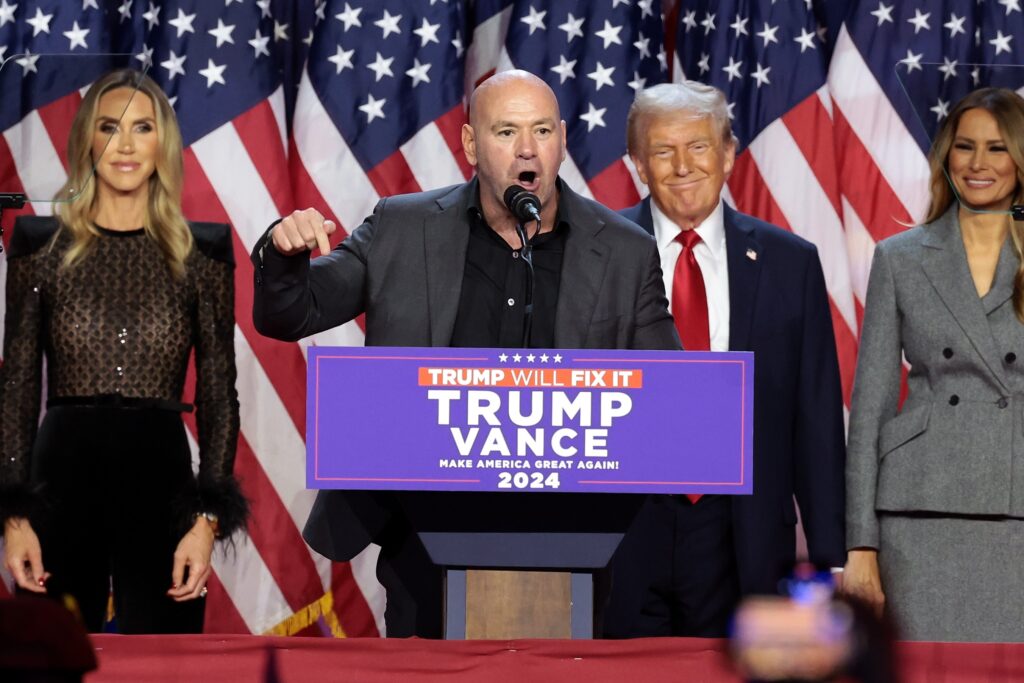
White’s response was to draw the line at legal versus illegal and leave it there.
“I don’t think the president has ever said he doesn’t want people from other countries coming. He has said if you do it the wrong way.”
It is a distinction his critics dispute. The event has already drawn commentary from journalists who argue that staging a celebration of America’s immigrant spirit on the lawn of an administration actively deporting people, including some who arrived legally, is difficult to separate from a political statement, even if White says otherwise.
White himself has been consistent in saying the event is not political. He has described the logistical operation as “insane,” given the South Lawn’s slope, Secret Service screening requirements, and a projected cost of upwards of $60 million. The UFC’s deal with Paramount+, worth $7.7 billion over seven years, means the event broadcasts for free on cable rather than pay-per-view, which White says is better for fans.
Whether the night reads as a genuine nod to America’s immigrant identity or as something else will probably come down to who is watching and what they are looking for. White’s card has champions and challengers from Georgia, Brazil, France, Brazil, Canada, and the United States. The story he is telling with the lineup is clear enough. Whether the setting complicates that story is a question he is not especially interested in answering.
“Who are you and where do you come from? That’s what I sell every Saturday night.”