Dana White Says Brain Damage Is “Inevitable” in MMA. He’s Not Wrong – and That’s the Problem.

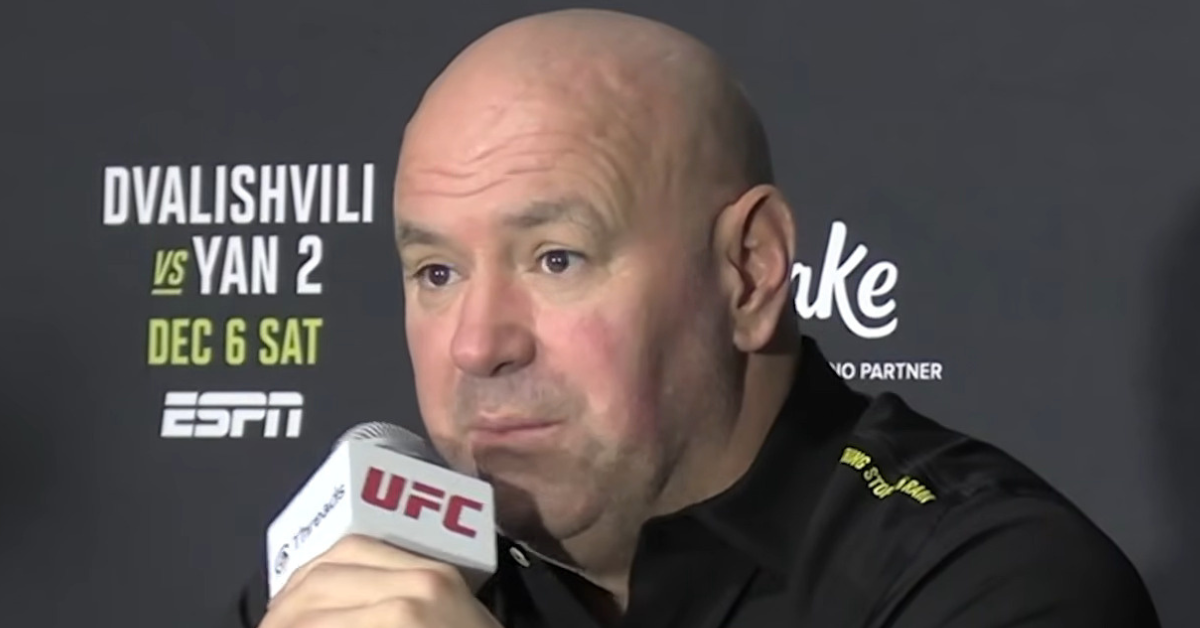
UFC CEO Dana White sat down with NPR‘s Steve Inskeep this week ahead of the promotion’s upcoming White House fight card, set for the South Lawn on June 14. The conversation covered immigration, masculinity, and the sport’s cultural rise — but the sharpest exchange came when Inskeep turned the subject to the brain.
White did not dodge the question. On brain damage in MMA, also called CTE, the UFC president said:
“Yeah, it’s an inevitable side effect of this business. When you get punched in the head, it’s not good for you, and everybody going into this knows it’s not.”
Dana White Says Brain Damage Is Inevitable in MMA
It is a statement that is hard to argue with, and White did not try to soften it. He framed the risk as a known condition of entry, something every fighter accepts when they sign the contract. He pointed to his own past in boxing as evidence he understands it personally, not just from the boardroom.
“I did it, and at that time in my life, I wouldn’t take back one punch now or one second of any of that. It’s what I was super passionate about when I was younger. I absolutely loved it and I wouldn’t change a thing.”
In a 2024 interview with TIME magazine, White disclosed that he had undergone a brain scan and received results that confirmed physical damage. “I have black spots all over my brain from what I did,” he said at the time. “I wouldn’t take back one punch.” He has made this point consistently across multiple interviews: passion justifies the cost, and adults are entitled to make that choice.
Inskeep pressed White on why he walked away from fighting himself, given his stated acceptance of the risks. The answer was frank.
“What happens is one day I realized I wasn’t it. I think the hard part in this business is, I’ve known a lot of guys throughout the years who didn’t realize that and stuck around too long, longer than they should have.”
White compared it to a minor league baseball player or an NFL hopeful who has to decide when to pull the rip cord. His own exit from boxing, he said, was not about fear of injury, it was the recognition that he was never going to be a title contender.
“You wouldn’t have seen me fighting in a title fight, and you weren’t going to see me be Rocky.” He sees a distinction between fighters who leave at the right time and those who overstay because the money runs out or the ego resists accepting decline. He acknowledged that having those conversations with fighters, telling them their time is done, is a regular part of his job.
“Yeah, I’ve had a lot of those. Not just guys that probably aren’t going to be talented enough to stay here, but guys who are staying too long, past their prime, too.”
The CTE Question and Spencer Fisher
Inskeep brought up a specific case that has followed White through much of his public comments on fighter health: the lawsuit that UFC’s parent company TKO settled for $375 million in 2024–2025, covering more than 1,100 fighters who competed between 2010 and 2017. The lawsuit’s core allegation was that the UFC suppressed fighter pay through anti-competitive contracts, but inside that case, a fighter publicly stated they needed the money because CTE had left them unable to care for themselves.
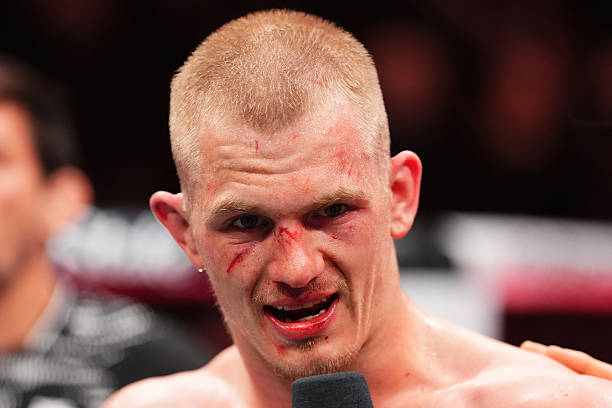
The case of Spencer Fisher stands as one of the most publicised examples of post-career brain damage in UFC history. Fisher, a lightweight who went 9-8 in 17 UFC bouts, was diagnosed with brain lesions signalling the onset of CTE after retiring in 2012. He reported memory loss, dizziness, vertigo, depression, and difficulty holding a regular job. His case drew a sharp public response when White described brain trauma as simply “part of the gig.”
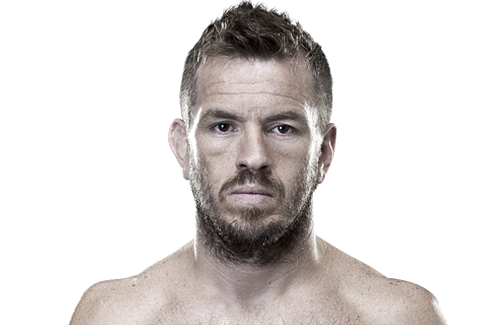
“But listen, he’s not the first, and he’s definitely not going to be the last. This is a contact sport, and everybody who’s ever done this younger, myself included, is dealing with brain issues. It’s just part of the gig.”
That quote, widely circulated in 2021, generated significant criticism. Many fans and commentators argued it showed a lack of empathy for individual fighters dealing with the day-to-day consequences of a career in the sport. White’s defenders countered that his candour about the risks was more honest than the NFL’s decades-long resistance to acknowledging the link between football and brain disease.
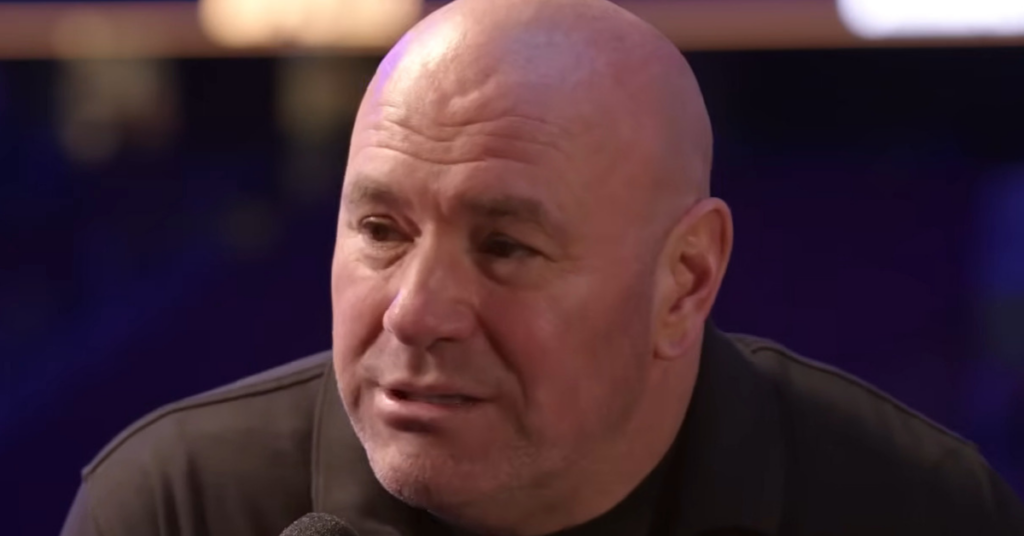
In the NPR interview, White pushed back on the suggestion that the UFC simply accepts the damage without doing anything to address it.
“Absolutely. Everything that we do in this business every day — nothing is more important than health and safety. Think about this: in the 30-year history of the UFC, never a death or serious injury in 30 years. Cheerleading can’t say that.”
It is a comparison he returns to often. There have been no confirmed deaths inside the UFC Octagon throughout the promotion’s history, which is a genuine distinction from other combat sports where in-competition deaths have occurred. White also pointed to the UFC’s ongoing partnership with Cleveland Clinic’s Lou Ruvo Center for Brain Health as the most concrete example of institutional action.
The UFC has contributed more than $3 million to the Professional Fighters Brain Health Study, which launched in 2011 and has enrolled over 100 current and former UFC fighters. The study is the largest of its kind looking at head trauma in athletes and has produced more than 30 peer-reviewed research papers.
“We started a study with the Cleveland Clinic where we go in and scan their brains, and we continue to monitor their brain health throughout their careers.”
The research has already produced meaningful findings. A 2015 study from the project found that more professional fights correlated with lower brain volume, particularly in the thalamus and caudate, areas linked to processing speed and motor function. A 2022 Cleveland Clinic study published in the journal Neurology found a more hopeful counterpoint: fighters who retire can see partial recovery in cognitive test scores and brain volume stabilisation compared to those who keep competing.
White’s position in the NPR interview lands somewhere between full acknowledgement and managed deflection. He says the damage is inevitable. He says no one goes in blind. He says the UFC does more than any other combat sport organisation to study and reduce the risk. What he does not say, and what the science cannot yet answer, is where the threshold sits between acceptable career risk and irreversible harm, and whether a fighter will know which side of that line they are on before it is too late.