UFC Fighter Takes $100,000 Loan to Fund UFC Opportunity: Brando Pericic’s Road to the Octagon


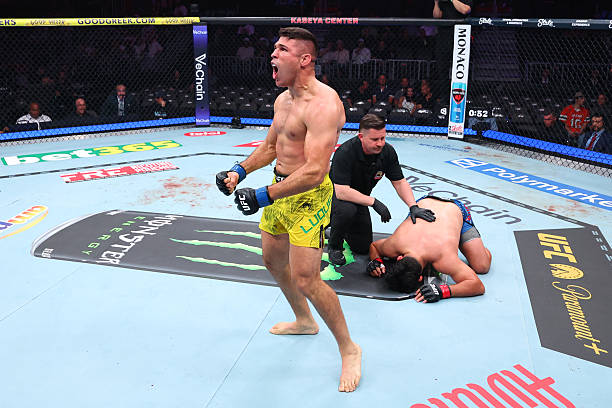
UFC heavyweight Brando Pericic made headlines at UFC Perth not just for his devastating first-round knockout debut, but for a stark revelation that exposes the harsh financial realities facing fighters pursuing their dreams in mixed martial arts. After flattening Elisha Ellison with ground strikes at 1:55 of the opening round, the Australian-Croatian fighter disclosed he had taken out a $100,000 loan to make his UFC debut possible.
Brando Pericic
“Brother, the last eight years I’ve been sleeping in cars, sleeping gyms. This is my life. No one’s going to beat me tonight. Hey, I took out a 100 grand loan to come work for this company. So if I get a bonus tonight, maybe I can pay half of that off,” Pericic told interviewer Paul Felder inside the Octagon.
The 31-year-old heavyweight’s admission highlights the substantial financial burden fighters face when pursuing careers in professional MMA. Pericic, nicknamed “The Balkan Bear,” moved from South Australia to New Zealand three years ago to train at the world-renowned City Kickboxing gym alongside former two-time middleweight champion Israel Adesanya and other elite fighters. The relocation and extended training camp preparations required significant investment that ultimately pushed him into substantial debt.
Brando Pericic won a Performance of the Night bonus at UFC Perth. He was one of four fighters to receive the $50,000 bonus for his first-round knockout victory over Elisha Ellison. The UFC awarded four Performance of the Night bonuses at UFC Fight Night 260, with no Fight of the Night bonus being handed out. The bonus winners were Carlos Ulberg, Jimmy Crute, Tom Nolan, and Pericic. The $50,000 Performance of the Night bonus will indeed help him pay down approximately half of his loan, just as he had hoped.
Training Camp Economics Drive Fighters to Extremes
The financial pressures Pericic describes are not unique in the sport. Training camp expenses for UFC-level fighters typically range between $8,000 to $30,000 depending on location, duration, and level of preparation. These costs include gym fees, coaching salaries, sparring partner expenses, medical bills, nutritionist fees, supplements, and travel accommodations for coaches and training partners.
John Cholish, a former UFC fighter, previously broke down the hidden costs of competing at the sport’s highest level. For a typical eight-week training camp, fighters can expect expenses of $8,000 to $12,000 just for preparation, not including additional travel costs when fighting internationally. These expenses come directly out of fighters’ pockets, as the UFC covers only basic travel for the fighter and one corner person.
UFC featherweight Myles Jury provided a detailed breakdown showing how quickly fight purses disappear after expenses. For a fighter earning $20,000 total ($10,000 show money plus $10,000 win bonus), typical deductions include $2,000 for gym fees, $4,000 for management, $6,000 for taxes, $500 for medical requirements, $1,000 for coaching, and $1,000 for miscellaneous expenses, leaving just $5,500 in actual profit.
The Pericic Story: Years of Struggle Behind the Spotlight
The heavyweight began his professional MMA career in 2019 but fought just once before moving to kickboxing due to difficulty securing opponents. His record stands at 5-1, though this modest number belies years of training and preparation interrupted by opponent withdrawals and cancelled bouts.
“I’ve always wondered how the payment of the people involved with the preparation of a fight camp actually works,” reflects the broader question facing the MMA community about sustainable fighter compensation. At City Kickboxing, Pericic trained alongside some of the sport’s biggest names, but even access to elite coaching and facilities came with substantial costs that ultimately required external financing.
The fighter’s revelation about sleeping in cars and gyms over eight years underscores the lengths athletes go to pursue their UFC dreams. Despite the hardships, Pericic’s investment appears to be paying dividends following his impressive debut performance.
Industry-Wide Financial Challenges
According to industry analysis, entry-level UFC fighters often struggle to break even after accounting for training expenses, taxes, and management fees. The UFC’s pay structure provides base salaries starting around $10,000 to show and $10,000 to win, but these amounts frequently fail to cover the true cost of competing at the sport’s highest level.
Chase Hooper, another young UFC fighter, has documented how fighters can lose up to 60% of their earnings to management fees, taxes, and training expenses. The high-performance environment required for UFC competition demands year-round training, specialized coaching, and significant financial investment that many fighters struggle to sustain without external funding.
The promotion’s shift to exclusive uniform deals has also eliminated traditional sponsorship opportunities that previously helped fighters supplement their income. This change has placed additional financial pressure on athletes who must now rely primarily on fight purses and performance bonuses for their livelihood.
Pericic’s story serves as both an inspiration and a cautionary tale about the financial realities of pursuing a UFC career.