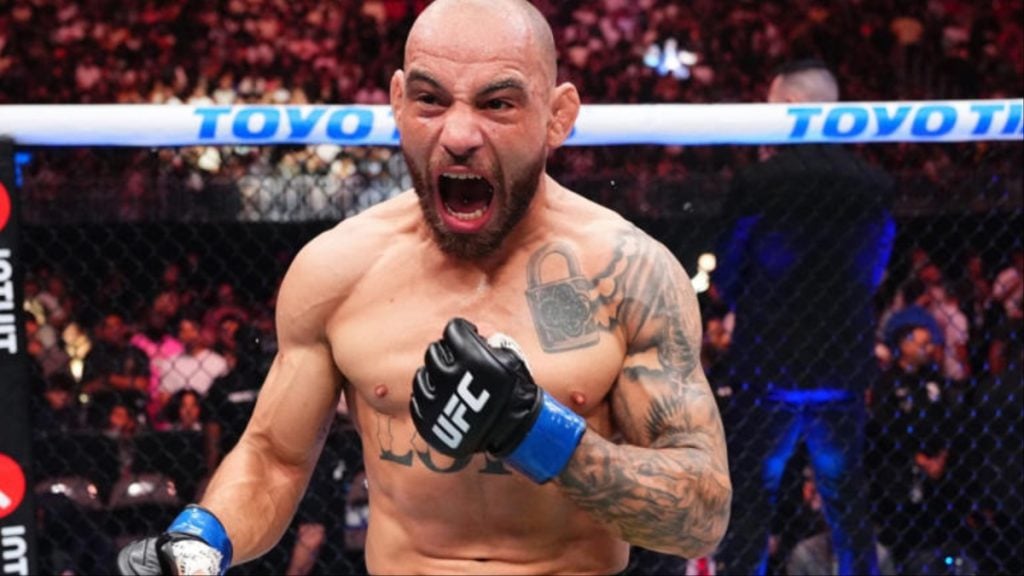
Why Joe Rogan Says UFC Fighters Deserve a Bigger Cut Than Ever – Fighter Pay Controversy

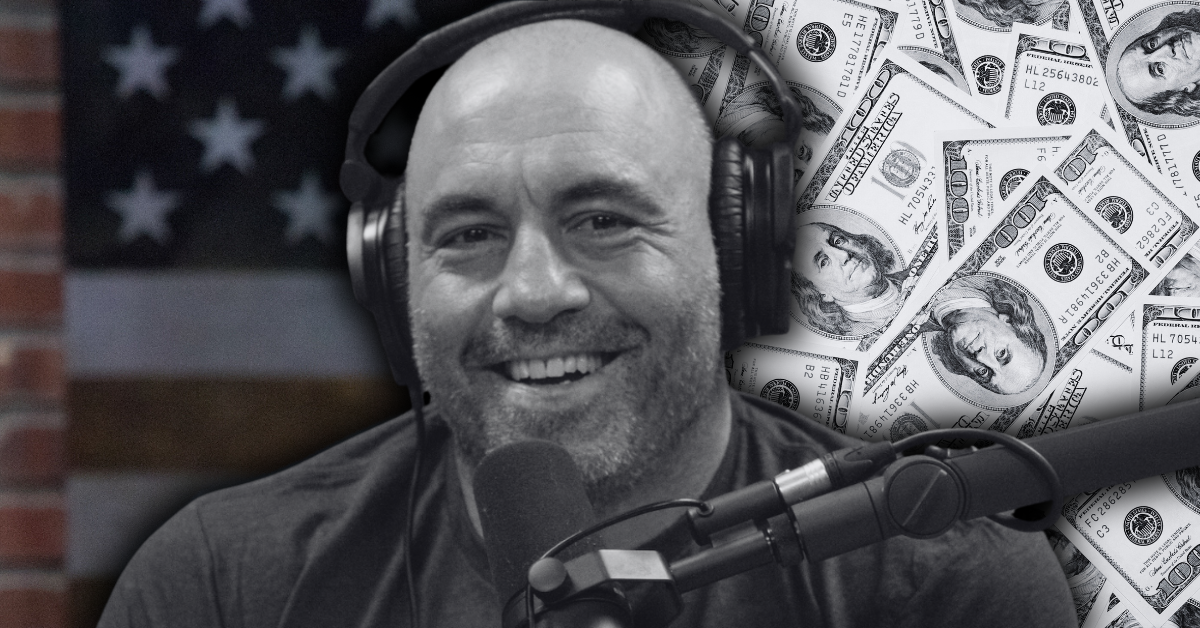
Joe Rogan’s latest comments on UFC fighter pay pull together his roles as a veteran commentator, former stand‑up road warrior, and now club owner, and aim them squarely at how the promotion splits its revenue. In his view, the business only works because fans are paying to watch athletes risk their health in the cage, and the compensation model should reflect that basic reality.
Joe Rogan on UFC Fighter Pay: The Comedy Club Argument
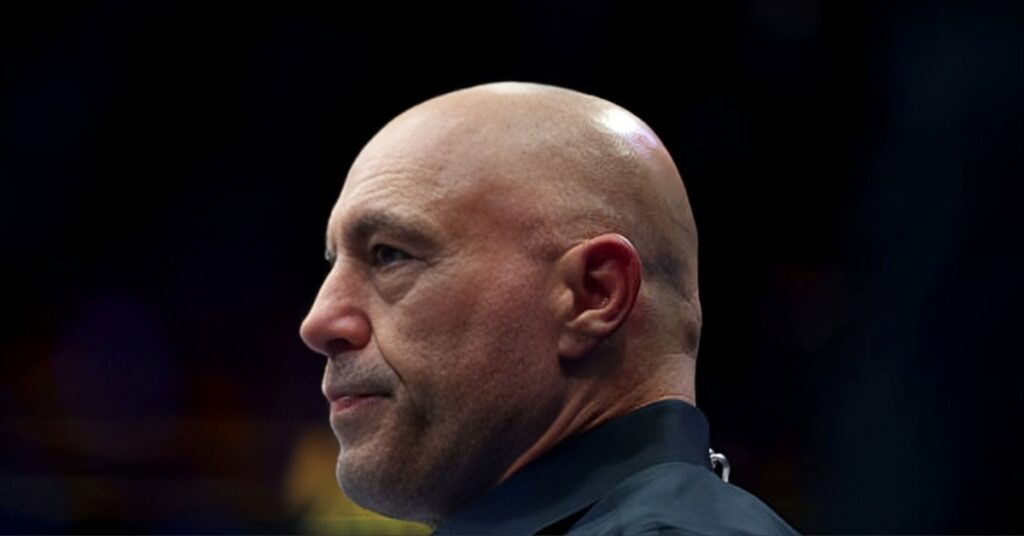
Joe Rogan used a comparison from his own business to make a straightforward case: when the people performing are the reason anyone shows up, they should take home most of the money. On JRE MMA Show #176, recorded March 16, 2026, Rogan sat down with retired UFC lightweight Dustin Poirier for a wide-ranging conversation that eventually landed on fighter pay. Rogan said he has held the same position for years, but this time he framed it through the lens of how he runs his own comedy clubs.
Joe Rogan Breaks Down Why UFC Fighters Deserve a Bigger Slice of the Pie
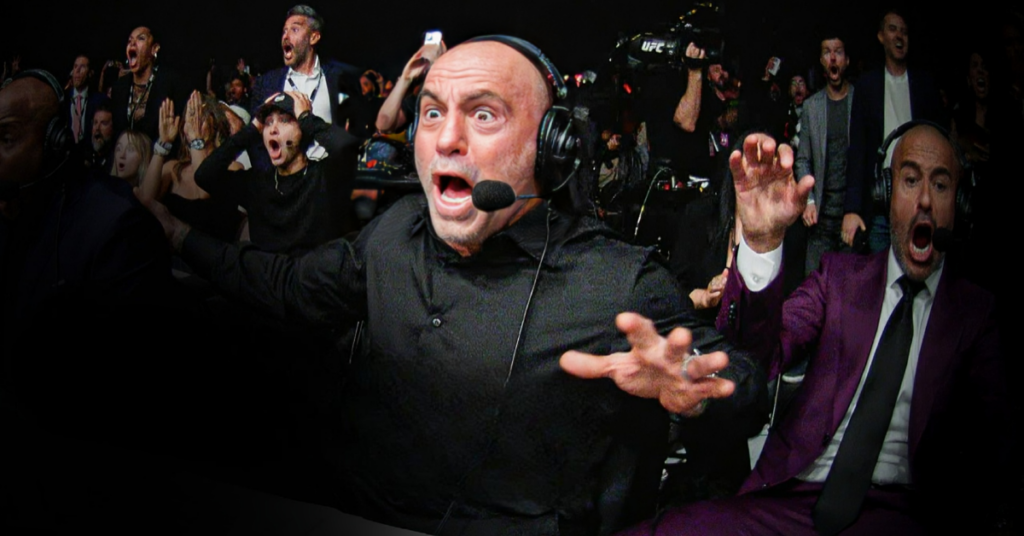
“The way I run my comedy clubs, the comedians make 80% of the money,” Rogan told Poirier. “We make plenty of money, with drinks and 20% of the ticket sales. It’s enough. If we had a comedy club and there were no comedians, nobody’s coming, right? Nobody’s coming there just to sit and buy drinks.”
He then drew the parallel directly to MMA. “The whole idea is they’re paying to see someone’s work. If you fight, that’s what people are paying to see. They are paying to see fighters.”
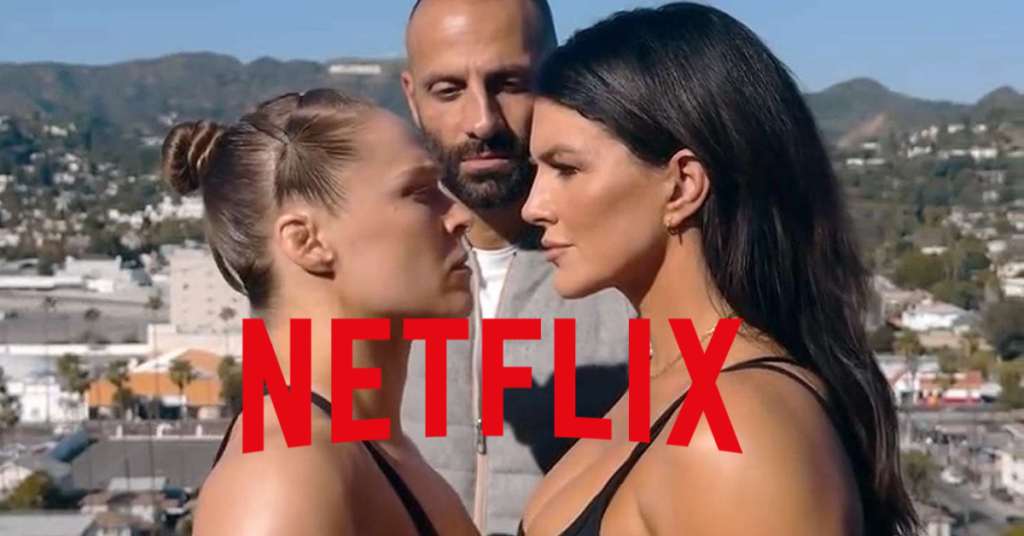
The conversation came days after Ronda Rousey made headlines at a pre-fight press conference in Los Angeles, where her comeback bout against Gina Carano, promoted by Most Valuable Promotions and streaming live on Netflix, was formally announced. Rousey took direct aim at the UFC’s compensation structure, framing it against the backdrop of the UFC’s seven-year, $7.7 billion broadcast deal with Paramount+ and CBS that launched in January 2026.
“It used to be that UFC was the best place you could come in combat sports to make a living and be paid fairly,” Rousey said. “It’s now one of the worst places to go. A lot of them at the ground level can’t even support their families. They’re living poverty level fighting full time.” She pointed specifically to champion Valentina Shevchenko supplementing her income through other means, and argued the $7.7 billion deal left fighters with no financial benefit.
Rogan acknowledged Rousey’s comments on the podcast with Poirier, saying she “made some good points” and that the most important function of her remarks was getting the conversation into the open and placing pressure on the UFC to act.
Rogan’s argument lands against a financial backdrop that has been scrutinized in courts as well as media. During the antitrust lawsuit Le v. Zuffa, court filings revealed that UFC fighters’ share of company revenue ranged from 18.6% to 20.5% between 2011 and 2013, figures that compare sharply with the roughly 48–50% athlete revenue share typical of major North American sports leagues.
That case settled in August 2025 for $375 million, covering more than 1,000 fighters who competed between 2010 and 2017. U.S. District Judge Richard Boulware had initially rejected a $335 million figure as insufficient before the figure was raised. Approximately 35 fighters were projected to receive more than $1 million each, around 100 would receive more than $500,000, and the minimum individual recovery was set at $15,000.
Entry-level UFC contracts currently start at $12,000 to $25,000 per fight, with an equal win bonus, figures that have barely moved in over a decade.
Georges St-Pierre, another figure with significant standing in the sport, expressed similar concern after the Paramount deal was announced, arguing the shift away from pay-per-view would eliminate PPV points as leverage for top fighters. With the traditional PPV model now replaced by a subscription-based broadcast structure, fighters who previously earned a percentage of buy rates face an uncertain path to those extra earnings.
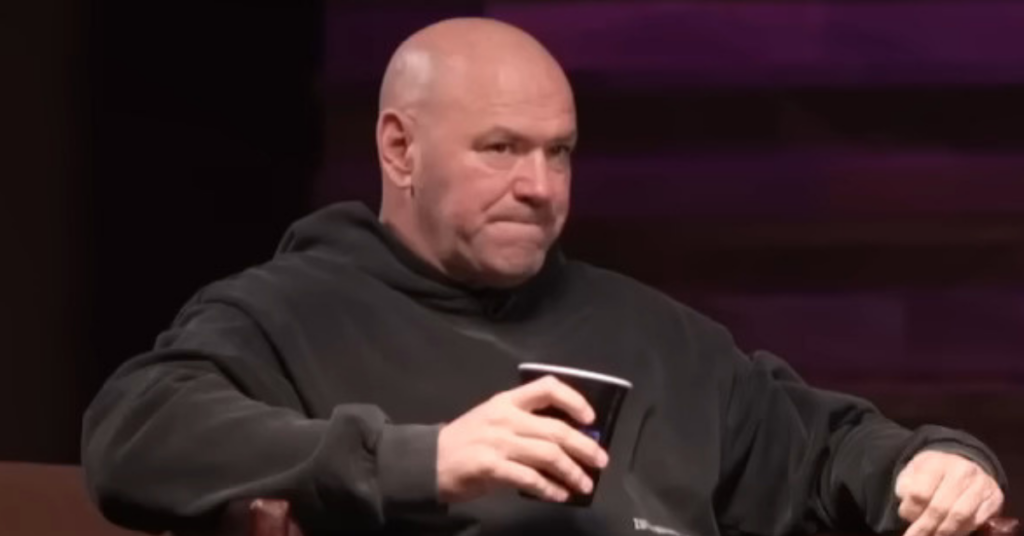
Dana White has stated repeatedly that fighter pay will rise under the new Paramount arrangement, citing increased exposure as an additional benefit of moving events from an $80-per-event PPV model to a $12.99 monthly subscription.
Whether the financial structure of the UFC adjusts to reflect something closer to the split Rogan describes, or to the 48–50% benchmark of other major sports, remains an open question. What Rogan’s framing adds to that debate is a concrete, real-world example of a business that chose to prioritize performer pay and still turned a profit doing it.