Dana White Ordered to Testify in UFC Antitrust Case: What You Need to Know

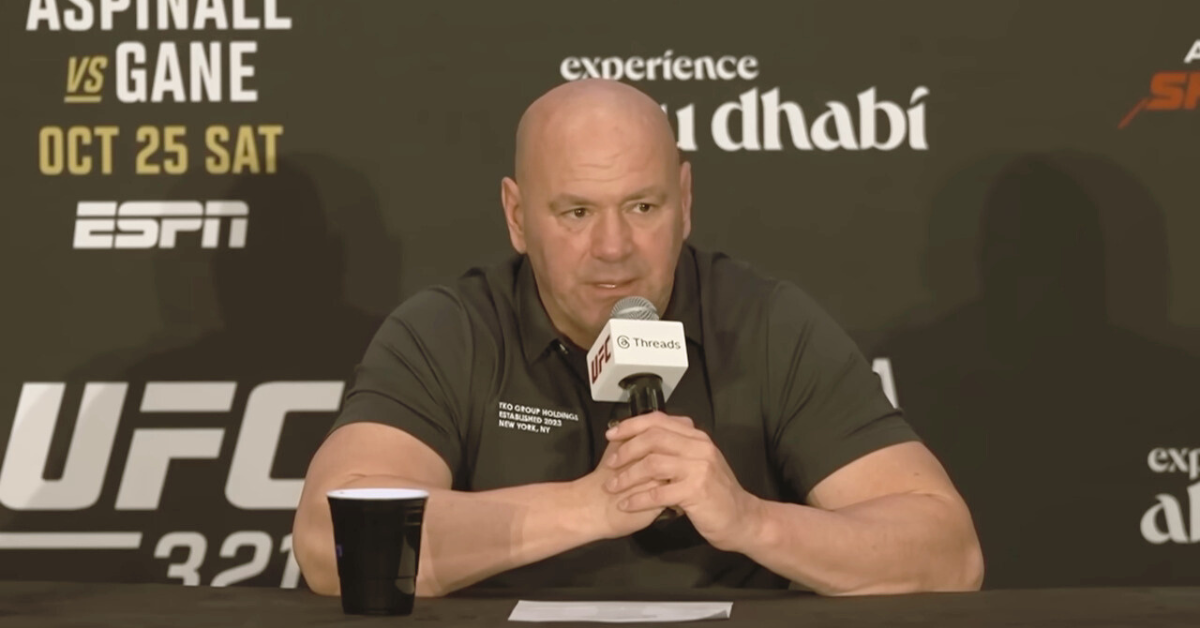
On December 18, 2025, U.S. District Judge Richard Boulware issued a court order that sent shockwaves through the UFC’s Las Vegas headquarters. Dana White and Tracy Long, the UFC’s long-time Legal Department official, have been ordered to testify under oath during a spoliation hearing set for February 4-5, 2026. This development marks a significant escalation in the ongoing battle over evidence handling in multiple antitrust lawsuits against the promotion.
Dana White Ordered to Testify in UFC Antitrust Case
The hearing focuses specifically on whether the UFC has properly preserved and produced documents and communications relevant to three interconnected antitrust cases. For White, the timing and nature of this testimony represent genuine problems. He will be questioned by Judge Boulware, a judge known for meticulous preparation on both facts and legal matters, about evidence preservation practices across his various devices.
In previous UFC antitrust litigation spanning more than a decade, White’s cell phone records became a point of contention, with fighters’ lawyers noting significant gaps in production and suggesting White possessed undisclosed devices containing relevant information.
The three antitrust cases creating this convergence tell a complicated story about fighter compensation. The original Le v. Zuffa case, filed in 2014, finally reached resolution in August 2025 with a $375 million settlement covering over 1,100 fighters from 2010-2017. Judge Boulware had rejected an earlier settlement offer, stating the compensation package was too low.
The Johnson case, filed in 2021, continues to cover fighters from July 1, 2017 onward and remains in the discovery phase. Then came Cirkunovs v. Zuffa, filed on May 23, 2025, specifically targeting fighters who signed arbitration clauses and class-action waivers, provisions Boulware had previously criticized for preventing broad-based class certification.
Tracy Long’s presence at the February hearing carries separate implications. Long manages the UFC Athletic Conduct Policy and serves as the point person for fighter compliance issues. Her testimony will put a spotlight on the UFC’s Legal Department record-keeping practices and how the organization handles internal communications with fighters, an area Boulware has shown skepticism about protecting through broad attorney-client privilege claims.
What makes this hearing particularly significant is the potential for sanctions. If Boulware determines the UFC destroyed evidence or failed to preserve relevant materials, it could reshape the entire antitrust landscape. The judge has indicated interest in understanding the proper allocation of fees for plaintiffs’ discovery efforts and has suggested a possible pathway to recombining the currently separate cases if evidence destruction allegations prove substantiated.
Discovery materials could potentially be leveraged in separate litigation by activist investor Carl Icahn, who is challenging Endeavor’s take-private transaction in Delaware Chancery Court. Every document produced, or notably, every gap in production, carries implications across multiple legal fronts.