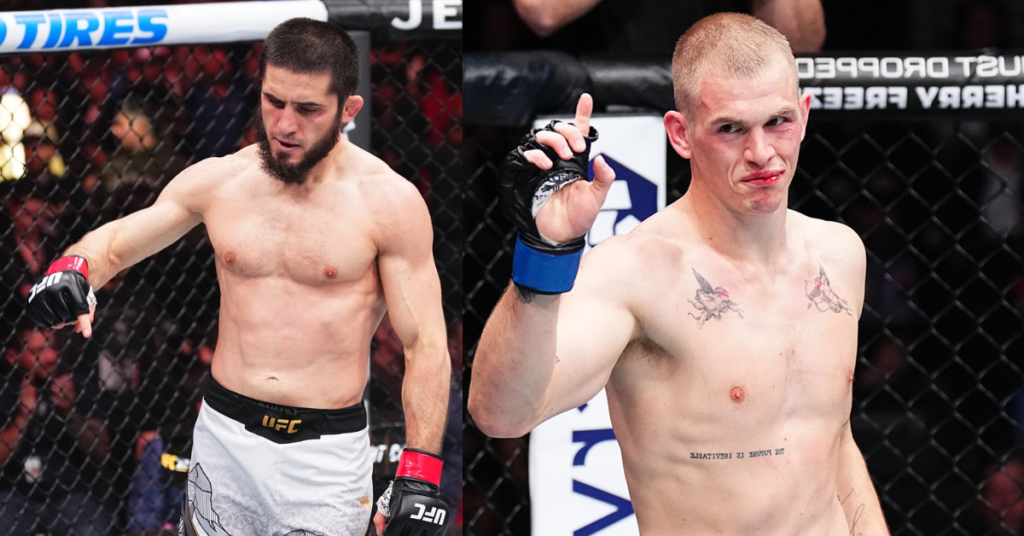
Dana White Explains Why Fighters Don’t Deserve More Money – Why UFC Fighter Pay Will Never Change


The contradiction isn’t subtle. While the UFC pulls in over a billion dollars annually and Dana White personally oversees a billion-dollar business empire, fighters competing at the sport’s highest level earn a pittance. The disconnect isn’t accidental, it’s baked into how White frames the entire enterprise, and it’s particularly evident when examining his reasoning for why fighter pay will essentially never meaningfully increase under his watch.
Dana White’s Hollow Promise: Why UFC Fighter Pay Remains Frozen While the Promotion Thrives
In interviews, White has been refreshingly transparent about his stance, if not his logic. When pressed on fighter compensation, he laid out his position with the clarity of someone entirely unbothered by the contradiction between his organisation’s success and its fighters’ struggle. He said:
“This isn’t a job. This isn’t a career. This is an opportunity for you to become as famous as you can possibly be. Many people around the world see the great things that you’ve accomplished and make as much money as you can possible make.”
There’s a particular sleight of hand here. White deliberately conflates two completely different things, opportunity and compensation. The implication is clear: the honour of fighting in the UFC, the exposure, the potential for sponsorships and media appearances, these are supposedly payment enough. The actual money? That’s secondary, something fighters should consider a bonus to the privilege of being in White’s promotion.
The reality, however, tells a different story entirely. UFC fighters receive approximately 16 to 20 percent of total revenue, a figure that’s remained stubbornly consistent for over a decade. Compare that to the NFL, NBA, MLB, and NHL, where unionised athletes collectively negotiate for around 50 percent of revenue. Even fighters who win matches often find themselves in financial straits. Entry-level fighters start at $12,000 to show and $12,000 to win, amounts that barely cover training camp costs, travel, medical expenses, and coaching fees, let alone taxes.
White’s second justification for frozen pay is equally revealing, he continued:
“These fighters, even the lower level guys that make less money, they’ll fight and then they’ll go and do incredible things for the next 3 months and blow all their money. And then they’ll go back into camp and start training again.”[User query]
The implication here is that fighters are financially irresponsible, that if they simply managed their money better, the problem would evaporate. It’s a convenient narrative that shifts blame from the promotion’s wage structure to individual fighters’ spending habits.
Never mind that fighters are responsible for funding their own training camps, sometimes spending $8,000 to $12,000 per camp, plus additional costs for travel, corner staff, nutrition, and supplements. The suggestion that fighters “blow all their money” conveniently ignores that their earnings are immediately consumed by the infrastructure required to remain competitive.
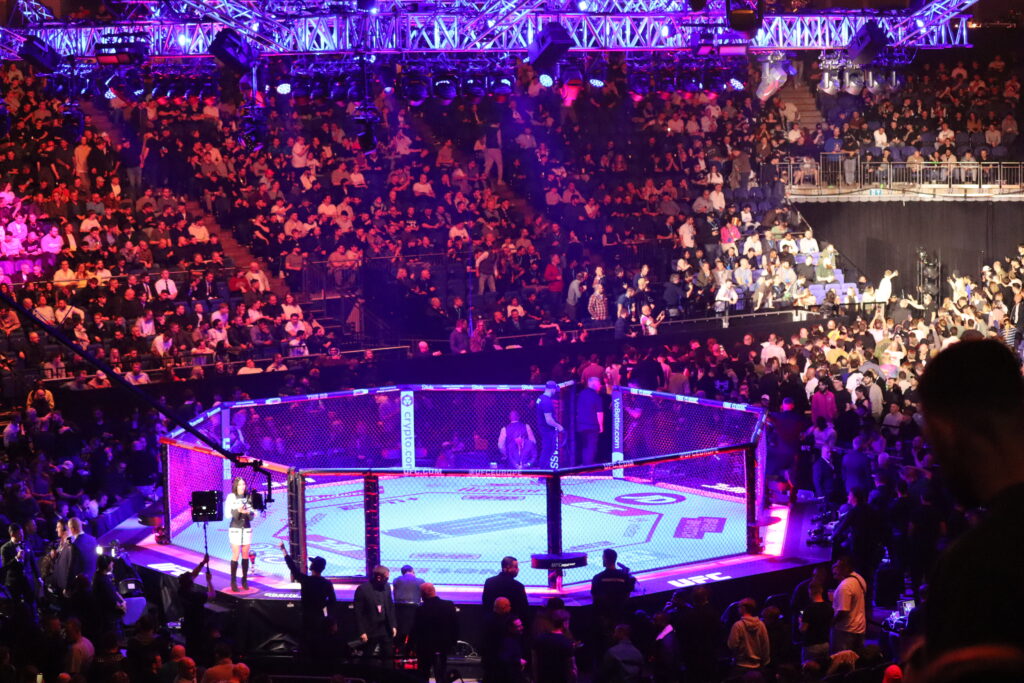
Prize Fighting Minus the Prize: How Dana White Justifies UFC Underpayment
The systemic advantage White maintains over fighters stems from a crucial structural element: fighters are classified as independent contractors rather than employees. This prevents unionisation, eliminates collective bargaining power, and strips fighters of benefits afforded to regular employees – health insurance, retirement contributions, workers’ compensation. The UFC actively lobbies against any policy changes that might threaten this arrangement.
Critics of this model have articulated the exploitation concisely. Combat sports regulatory lawyer Erik Magraken framed it bluntly:
“Listen kid, We will pay you with exposure. We, on the other hand, will be paid with big bags of cash money. Deal?”
Jonathan Snowden, the MMA historian and journalist who has covered the sport’s business side extensively, has equally sharp observations about the fundamental dishonesty of how White frames fighter compensation:
“It’s literally called prize fighting. It’s not a reality show that allows you to start at Tik Tok or whatever. It’s still prize fighting of course…it’s just this guy and his handlers want to keep all the prizes for themselves.”
Ben Davis offered captures the core logic:
“Prize fighting minus the prize.”
UFC Fighter Compensation Frozen as Promotion Surpasses $1 Billion in Revenue
The numbers validate this critique. In 2022, the UFC generated $1.14 billion with a profit of $387 million, yet only two fighters, Israel Adesanya and Alexander Volkanovski, earned six figures that year despite competing multiple times. Meanwhile, research indicates that 43 percent of UFC fighters earned less than $45,000 in 2024, while the median annual salary sits around $51,370. For fighters who lose, the mathematics become grim. Former fighter John Makdessi leaked a payment statement showing gross earnings of $58,000, which after medical expenses, airfare, and federal tax deductions totalled just $28,461.
Antitrust Settlement Exposes Systemic Fighter Underpayment in $375 Million UFC Case
The antitrust lawsuit compelling evidence of how calculated this underpayment actually is. In 2024, a Nevada federal judge finally approved a $375 million settlement for approximately 1,200 fighters who competed between 2010 and 2017, the court ruling that the UFC had engaged in anticompetitive practices that artificially suppressed fighter compensation. Even then, the settlement came only after over a decade of litigation, with one fighter describing the arrangement with brutal clarity:
“He creates a billion dollar business off of the sacrifices of underpaid athletes and justifies it by saying he’s creating opportunity for them to make money elsewhere. All while making that all but impossible with insanely predatory contracts. Jesus.”
The predatory nature of UFC contracts is particularly significant. Non-compete clauses prevent fighters from working for alternative promotions, attempts at unionisation have been systematically crushed, and sponsorship rights remain controlled by the UFC rather than the fighters themselves. This creates a situation where fighters cannot leverage their own marketability to improve their economic position.
Fighter pay under White’s leadership will remain frozen not because he lacks the resources to increase it, but because the entire architecture of his wealth depends on fighters having insufficient leverage to demand better. The opportunity he speaks of, in reality, is an opportunity for the promotion to extract maximum value from athletes operating under conditions of economic desperation – all while calling it a privilege.