Dana White Confirms the Existence of ‘Dana White Privilege’

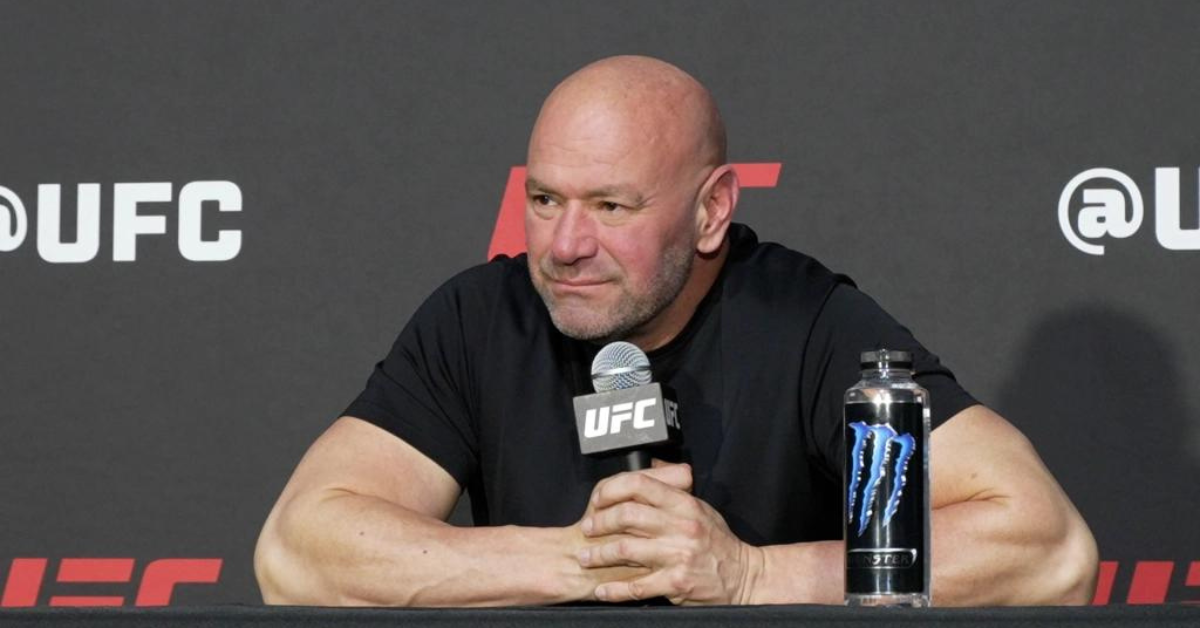
Dana White directly addressed and explained his controversial practice of promoting certain fighters over others based on their potential marketability. During the discussion about accusations of favoritism, White didn’t deny the practice but instead framed it as a fundamental part of fight promotion.
Dana White Confirms the Existence of ‘Dana White Privilege’
Dana White explained:
“When you bring guys that there are some who think could become world champions, everybody wants to become a world champion. Well, there’s people who think you have a much better chance than others do. So you prop these people up and put them in positions where you can see what they’re capable of doing. Conor McGregor, Ronda Rousey. Anyone that comes with Dana White privilege – that’s just fight promotion.”
White‘s explanation reveals that what critics call favoritism, he considers basic business strategy. The UFC president identifies potential marketable fighters and provides them with high-profile opportunities to test their abilities against elite competition. In his view, fighters like McGregor and Rousey weren’t given undeserved advantages but rather received the chance to prove they could become world champions.
What Is Dana White Privilege?
The concept of Dana White privilege has existed as an informal criticism within the combat sports community for years. The practice involves the UFC president allegedly giving certain fighters preferential treatment through favorable matchups, priority booking, extended title shot opportunities, and better promotional support compared to fighters without his backing.
Sean O’Malley represents one of the most discussed modern examples of the privilege in action. Despite having zero consecutive title defense wins, O’Malley received a bantamweight title shot against Aljamain Sterling at UFC 292 in 2023. Before that fight, O’Malley faced Petr Yan at UFC 280 for a number one contender matchup despite having only one UFC win. Sterling openly called out the favoritism before their fight, saying he wanted O’Malley to pay for “all his Dana White privilege.”
Jorge Masvidal experienced privilege in a different manner. Without ever becoming UFC welterweight champion, Masvidal received consecutive title shots at Kamaru Usman at both UFC 251 and UFC 261, according to sources. After his impressive five-second knockout of Ben Askren, the timing of these title opportunities coincided with Masvidal’s rising star power rather than a traditional ascent through the rankings.
The British fighter Paddy Pimblett also falls under scrutiny regarding Dana White privilege. Pimblett received a co-main event slot at the lightweight division against Jared Gordon at UFC 282, and both fighters from Liverpool received matchups that strategically built their records before challenging more serious competition.
Other fighters mentioned across different time periods as beneficiaries of the privilege include CM Punk, Chael Sonnen, Michael Chandler, Colby Covington, and Bo Nickal. Each fighter’s case presents its own circumstances, but the pattern remains consistent, the UFC constructs situations designed to maximize a fighter’s chances of visibility.
The mechanism behind the privilege operates on a straightforward principle. The UFC controls matchmaking, title shot allocation, promotional resources, and event placement. White, as president, makes final decisions on these matters. When he believes a fighter possesses commercial appeal alongside athletic talent, the organization can systematically provide that fighter with optimal conditions to succeed.

Critics argue the system undermines meritocracy within the sport by prioritizing marketability over legitimate achievement. Fighters without Dana White backing must compile more impressive resumes, string together longer winning streaks, and wait longer for opportunities, even when their actual skills match or exceed privileged competitors.