“Asshole” Dana White’s Fiery Exchange Over Proposed Changes to the Muhammad Ali Act

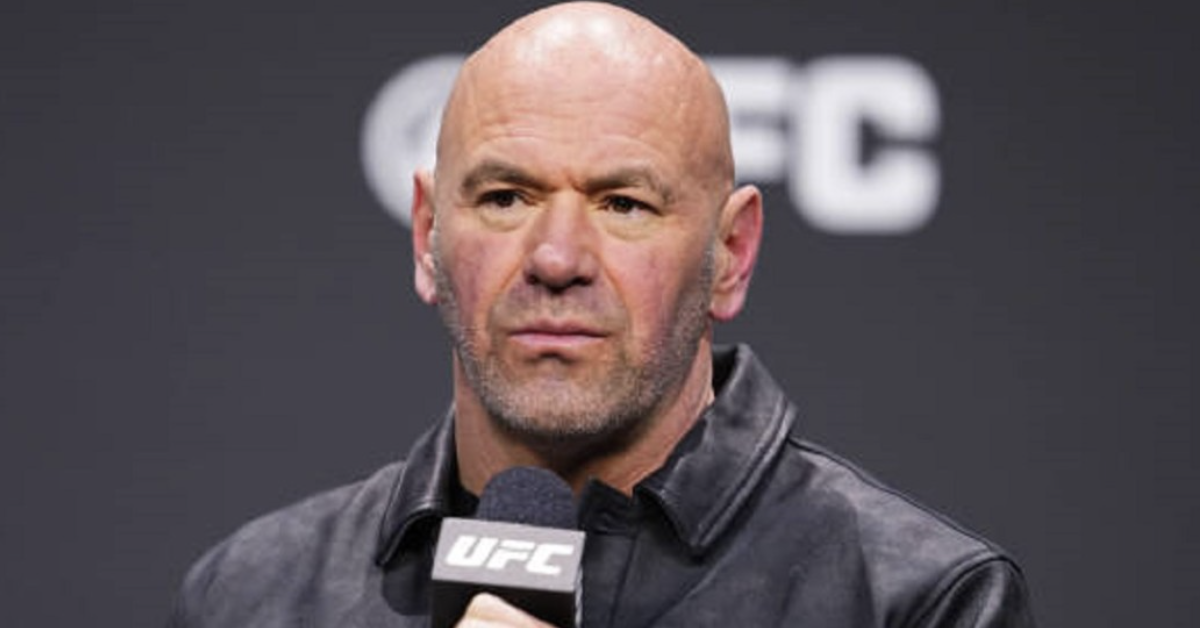
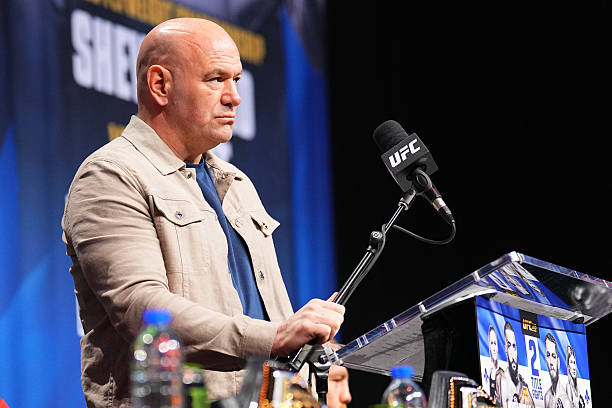
At a press conference in Las Vegas ahead of Saturday’s Canelo Álvarez vs. Terence Crawford superfight, UFC president Dana White sharply rebuffed a reporter’s questions regarding TKO Boxing’s efforts to amend the Muhammad Ali Boxing Reform Act. The exchange, which centered on a proposed “Muhammad Ali Boxing Revival Act,” threatened to overshadow the buildup to one of boxing’s most anticipated events.
Dana White Calls a reporter an asshole for asking about changes to the Ali Act
Sean Zittel, a veteran boxing journalist, opened the line of inquiry by highlighting the financial success of the upcoming fight. “This fight, as you said earlier in the week, is set to be the third-highest gate in combat sports history, with the top five gates all occurring in boxing over the last decade. Why then do you want to make sweeping changes to the Muhammad Ali Reform Act that is meant to protect fighters, especially when your company has already paid out $375 million in antitrust lawsuits and faces two pending class-action suits?” he asked.
White responded tersely, “This is obviously a long discussion. If you want to talk to me about that, set up an interview. This isn’t about me and my business. It’s about these two guys on Saturday night.” When Zittel pursued his follow-up question about the California State Athletic Commission’s recent hearing on TKO’s proposed amendments, White interrupted again, accusing the reporter of seeking a spectacle rather than focusing on the fighters. “If you want to make a scene, let’s do it in private and we can do an interview,” White said, in what was interpreted as a direct insult.
The Muhammad Ali Boxing Reform Act, enacted in 2000, was designed to safeguard boxers by enforcing transparent reporting of fight revenues, preventing conflicts of interest between promoters and managers, and ensuring objective fighter rankings. Under the current law, promoters are prohibited from operating their own championship bodies or holding exclusive contracts that could restrict a fighter’s freedom to negotiate with other promoters.
The proposed revival legislation, co-sponsored by Republican Congressman Brian Fitzpatrick and Democratic Congresswoman Sharice Davids, would permit the formation of “Unified Boxing Organizations” (UBOs). These entities would be allowed to establish their own rankings and award titles, mirroring the structure long utilized by the UFC in mixed martial arts. Supporters argue that this model could streamline boxing’s fragmented sanctioning system and offer greater commercial clarity. Critics, however, warn that consolidating promotional power risks undermining the very protections the Ali Act secured, potentially eroding contract transparency and weakening independent oversight.
While White insisted the press conference was the wrong forum for legislative debate, the incident has thrust the Ali Act revival into the public spotlight. As Congress weighs the proposed changes, fighters and fans alike will be watching to see whether boxing’s regulatory framework can adapt to new commercial realities without sacrificing the safeguards that Muhammad Ali championed.
The spat between Dana White and Sean Zittel illustrates a modern iteration of the Streisand Effect, in which attempts to suppress or dismiss information only serve to amplify public attention. By labeling the reporter an “asshole” and refusing to discuss legislative changes on the record, White inadvertently ensured that scrutiny of the proposed amendments to the Ali Act would intensify.
In seeking to deflect questions about TKO Boxing’s bid to establish Unified Boxing Organizations, an issue that carries significant implications for fighter protections and industry transparency, Dana White’s curt response ignited widespread media coverage and social-media debate. Observers who might never have otherwise examined the details of the revival legislation were drawn in by headlines focused on his outburst.