TACO Trump Meets Tehran: How War Jitters Hit Oil Markets – and the UFC’s Middle East Plans

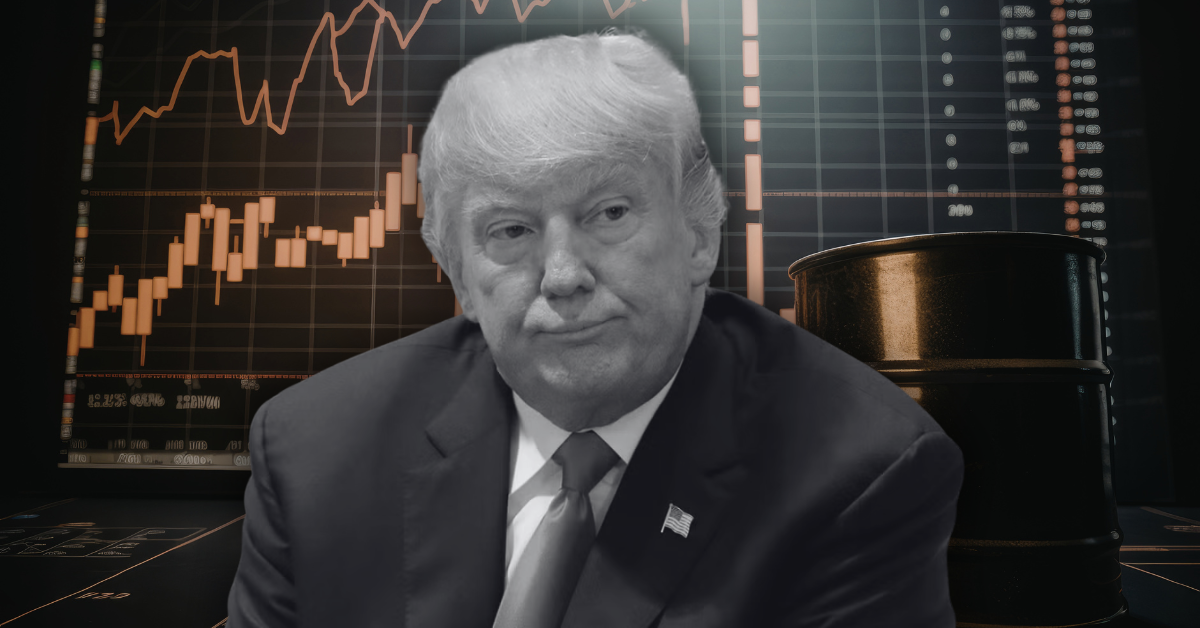
“TACO Trump” is back in the market spotlight as traders question whether their old playbook for Donald Trump’s risk headlines still works in a live shooting war with Iran and a jumpy oil market, even as UFC boss Dana White insists the Middle East conflict will not derail the promotion’s upcoming shows in the region.
TACO Trump
The “TACO” idea, short for “Trump always chickens out,” emerged on Wall Street as a way to describe buying the dip whenever Trump threatened drastic action, on the assumption he would later soften his stance and markets would recover. Commentators like Robert Armstrong at the Financial Times and several investment houses say the pattern dates back to tariff fights, when Trump floated sweeping import penalties only to partially roll them back after markets sold off.
Iran and Oil
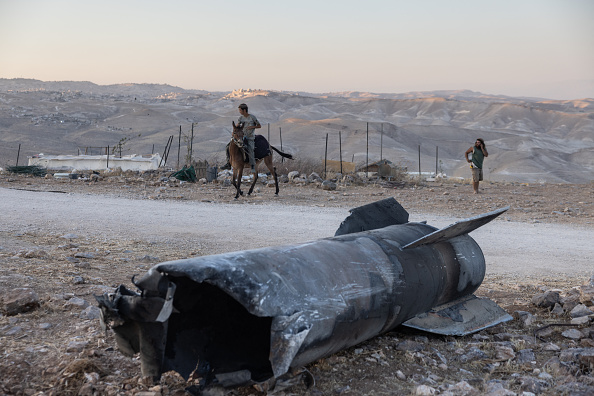
This year’s Iran war has pushed that mindset into a riskier arena. Since US and Israeli strikes on Iranian nuclear and military targets in mid‑2025 and early 2026, Iran has launched missiles and drones at US bases, Gulf allies, Israel and even attempted to hit the joint US‑UK facility at Diego Garcia.
The clash has disrupted traffic through the Strait of Hormuz and rattled energy markets, with analysts warning that any escalation or miscalculation could tighten oil supplies and hit global growth. Some market strategists now argue that leaning on TACO assumptions in the middle of an open regional conflict is far more dangerous than betting on tariff headlines, because damage to infrastructure and shipping cannot be undone with a single speech.
Even so, Trump has started to send mixed signals that invite TACO‑style interpretation. In recent days he has claimed Iran’s military has been “already destroyed 100%,” talked up the idea that Tehran wants talks, and suggested the US is considering “winding down” the campaign, while Iranian officials publicly deny seeking a ceasefire.
Reports on Monday indicated that Washington is now entertaining ceasefire discussions, a shift from earlier resistance to any pause in operations. For investors, that opens the question of whether the White House is setting up another pivot that could cool oil prices and lift risk assets, or merely talking tactically while the conflict grinds on.
S&P 500 Futures
S&P 500 futures are down this morning, on renewed concern that the Iran conflict could be longer and more disruptive, even as oil has swung sharply on Trump’s latest comments about potential ceasefire talks.
Reporting shows that, as of early US pre‑market trade on March 23, S&P 500 E‑mini futures were lower by about 41 points, roughly 0.6%, alongside a similar percentage drop in Dow futures and a slightly bigger decline in Nasdaq 100 futures. The move comes as Iran’s Revolutionary Guards warn they may target Israeli power infrastructure and facilities that support US bases in the Gulf if Trump follows through on threats to “obliterate” Iran’s energy network, forcing traders to re‑price the odds of Federal Reserve rate cuts this year.
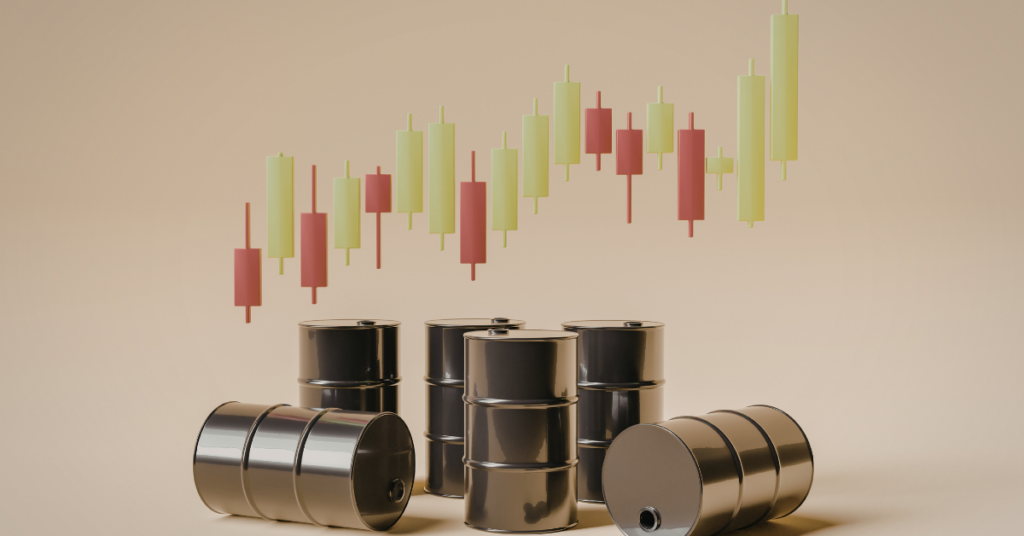
Trump’s latest shift in tone, backing away from immediate strikes on Iranian energy infrastructure and signaling that ceasefire talks are underway, triggered a sudden drop of more than 11–14% in crude prices as traders briefly bet on de‑escalation.
But with Iranian outlets denying direct communication with Washington and no verified settlement in place, futures on the S&P 500 are still trading lower, caught between relief over cheaper oil in the short run and anxiety that any breakdown in talks could send both crude and volatility sharply higher again.
UFC
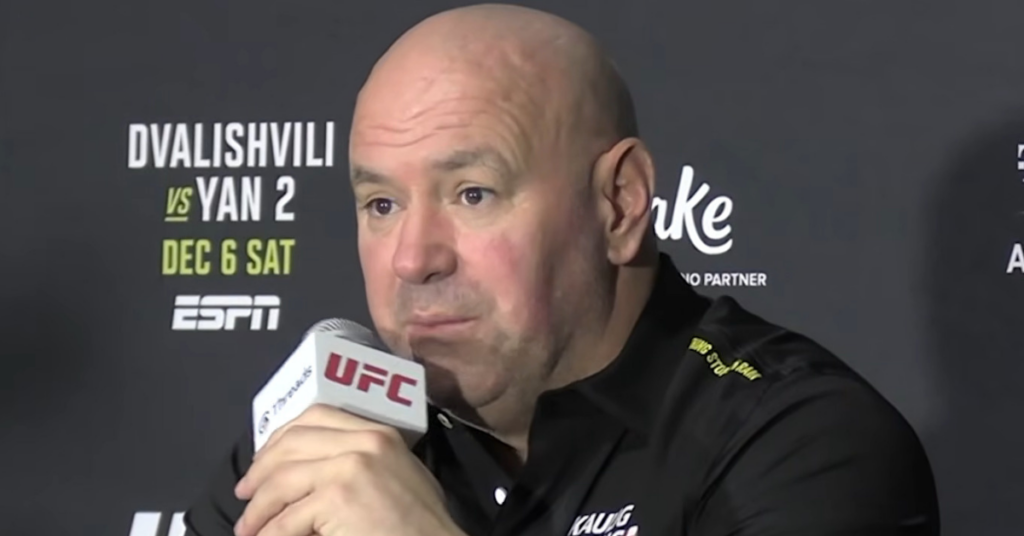
Combat sports, meanwhile, are already feeling the political backdrop in their own way. UFC CEO Dana White was pressed at UFC London about whether the Iran conflict and missile activity around the Gulf could force changes to the promotion’s Middle East schedule. White said “no” when asked if the company was considering moving events, stressing that shows planned for Baku, Azerbaijan in June and Abu Dhabi, UAE in July remain on the calendar despite regional security concerns and recent reported drone activity near Iran’s border with Azerbaijan. White has separately argued that public opinion does little to sway US military decisions, and his stance on keeping the UFC schedule intact mirrors that view: business continues while governments and markets react to the war.
For fighters and fans in the region, the stakes are more tangible than a clever trading acronym. UFC’s planned cards in Baku and Abu Dhabi represent valuable dates for athletes from Eastern Europe, the Caucasus and the Arab world, many of whom rely on these shows to boost rankings, secure bonuses and build regional followings.
If the Iran conflict escalates or oil‑driven volatility spills into travel and security restrictions, those opportunities could be delayed even if the TACO crowd eventually proves right about Trump stepping back from the brink.
Joe Rogan and the UFC White House Event
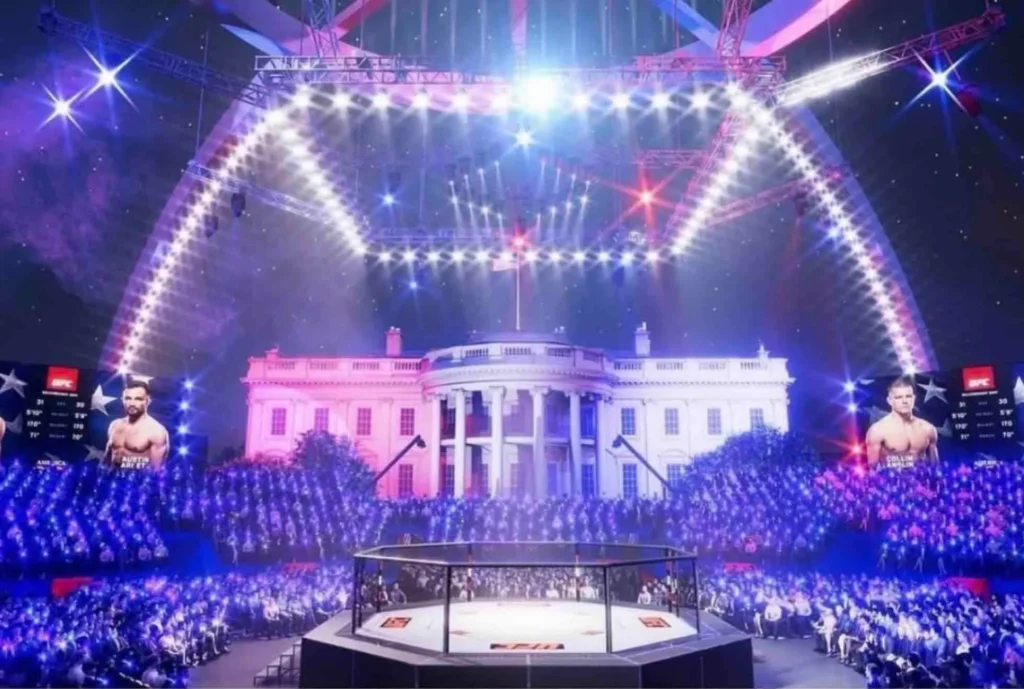
The Iran war has not canceled the planned UFC White House show, but it has turned the event into a political flashpoint and a security headache that Joe Rogan and others keep flagging. The card in question is “UFC Freedom 250,” a six‑fight event scheduled for June 14, 2026, on the South Lawn as part of America’s 250th birthday celebrations and Donald Trump’s 80th birthday.
Since US and Israeli strikes on Iran in late February triggered missile and drone exchanges across the region, critics and fans have questioned whether putting a high‑profile fight card at the president’s residence creates an unnecessary target. Joe Rogan has echoed that concern on his podcast and in interviews, saying it feels “very high security and high stress and weird” to hold a UFC show at the White House “in the middle of a f***ing war,” and admitting he worries the event could be seen as a symbolic bullseye if tensions stay high into June.
For now, the war’s practical impact is less about logistics and more about optics and risk. UFC and the Trump administration have kept the date and location unchanged, and reports suggest the president is personally involved in ticket requests and promotion, even as the conflict drags on.
If the Iran conflict escalates or oil‑driven volatility spills into travel and security restrictions, those opportunities could be delayed even if the TACO crowd eventually proves right about Trump stepping back from the brink.