Iran War Blowback: UFC Fighter Tears into Donald Trump over Gas Prices, Nukes, and the Deadline

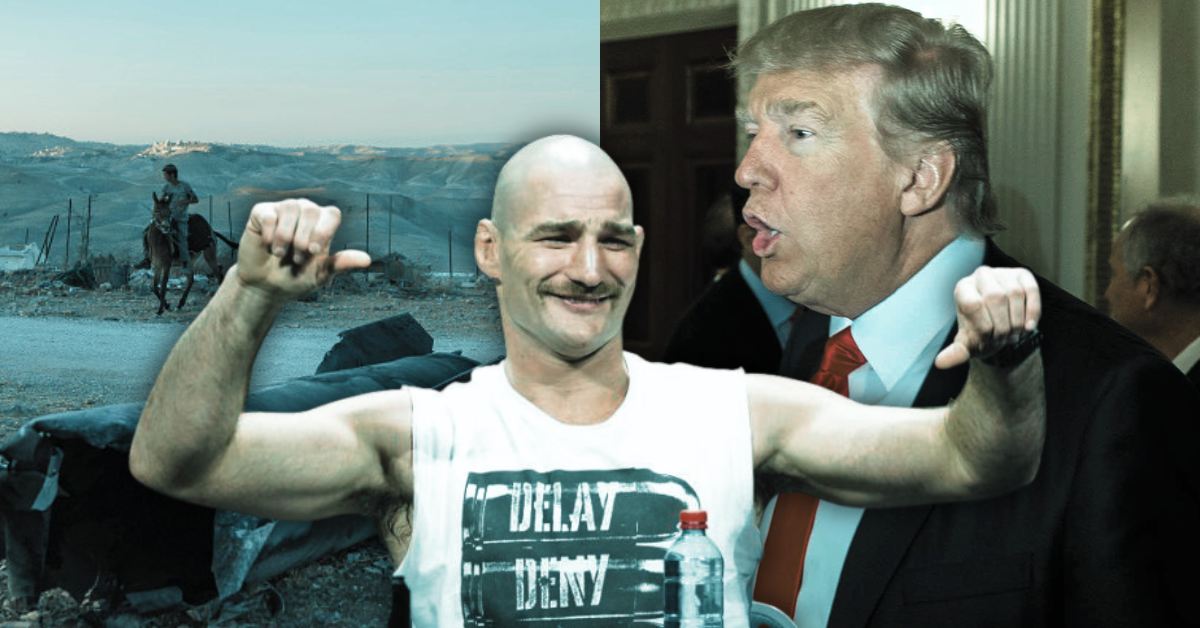
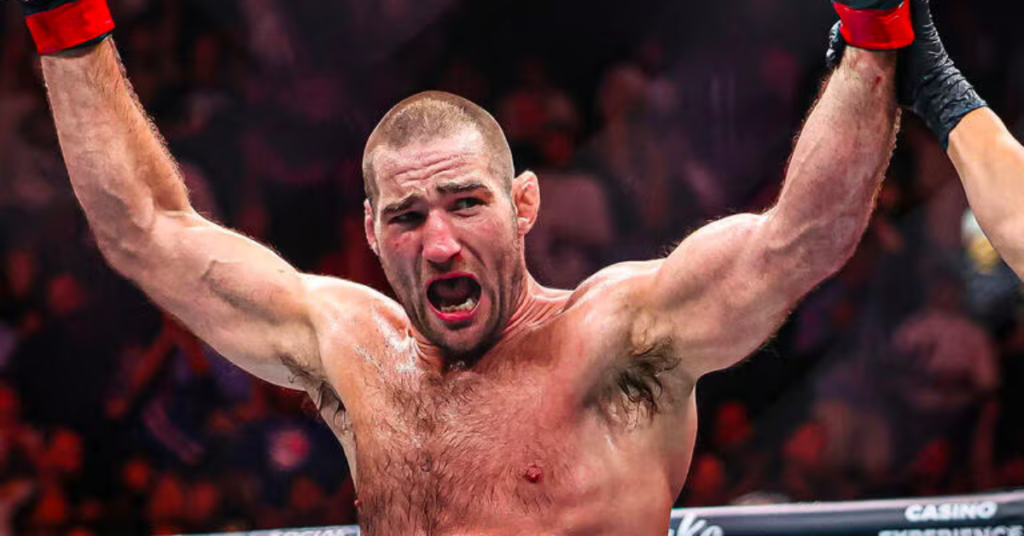
Former UFC middleweight champion Sean Strickland has turned his platform on X into a running indictment of President Donald Trump’s handling of the Iran war, framing the conflict as a policy that punishes working‑class Americans while drifting toward catastrophic escalation. His posts tap into public anxiety over an open‑ended conflict that has reshaped energy markets, stoked inflation, and pushed Washington and Tehran into a dangerous nuclear standoff.
Strickland’s attack on Donald Trump
Strickland’s criticism goes well beyond a one‑off rant and reads like a populist case against the war’s rationale and cost. In one post, he argued that “the only way Trump will get his way in Iran is if he puts a bullet in the head of every Iranian,” before listing U.S. demands that Tehran stop missile development, halt support for proxy groups, and end uranium enrichment, points that mirror long‑standing U.S. and Israeli red lines on Iran’s military and nuclear activities. He then asked, “At this point what are you trying to accomplish?”, questioning the endgame of a campaign that has already included extensive strikes on Iranian nuclear and military infrastructure.
In another post, Strickland argued that it “needs to be standard practice of leaders to send their children to war,” a line aimed at the distance between decision‑makers in Washington and the troops ordered into the Gulf. He followed that by claiming Trump “completely betrayed the blue collar guys with Iran,” tying the conflict to higher fuel, shipping, and living costs for ordinary Americans. That framing echoes real‑world data: tanker rates from the Middle East to Asia have quadrupled since the conflict escalated, and global oil and gas prices have spiked as shipping through the Strait of Hormuz has been crippled.
War, Hormuz, and the “blue collar” bill
The backdrop to Strickland’s posts is a war that has shut or restricted one of the world’s key energy chokepoints. Since Iran’s attacks on ships and regional energy facilities, tanker traffic through the Strait of Hormuz has collapsed from about 24 crude carriers per day to just four, leaving hundreds of loaded vessels idling near hubs like Fujairah. Analysts estimate that roughly 20 percent of global oil and liquefied natural gas supply normally passes through this corridor, so the disruption has fed straight into higher pump prices, freight costs, and power bills from the U.S. to Europe and Asia.
Those pressures are now showing up in macroeconomic forecasts that validate Strickland’s focus on everyday costs. The OECD expects U.S. inflation to reach about 4.2 percent this year, higher than earlier projections, and warns that the Iran conflict is a key driver through its impact on energy prices.
Nuclear risk and Trump’s deadline
Strickland also mocked official justifications built around Iran’s nuclear work, saying “no one has made a logical case for Iran besides ‘trust me bro’” and asking how Iran “funding random groups with AKs” or the specter of “nukes” improves life for Americans who have heard the same warnings “for 20 years.”
His skepticism lands at a moment when Iran’s program is again under intense scrutiny and fire: U.S. and Israeli airstrikes in 2025 damaged or destroyed multiple nuclear sites, yet satellite imagery and expert assessments show Tehran rebuilding facilities like the Taleghan 2 complex at Parchin and continuing work at other locations.
Recent attacks near the Bushehr nuclear power plant and the heavy‑water production site at Khondab prompted rare public alarm from the International Atomic Energy Agency.
Iran News: Trump Warns “A Whole civilization will die tonight.”
Over this nuclear and economic tension hangs Trump’s own language, which has fed fears of a larger catastrophe. The president has set a firm deadline, 8 p.m. Eastern, demanding that Iran reopen the Strait of Hormuz, threatening “total destruction” of bridges, power plants, and other critical infrastructure if no agreement is reached. In a line that ricocheted through global media, he warned that a “whole civilization will die tonight” if Tehran refuses to yield, a statement Iranian leaders have met with vows to resist even at the cost of millions of lives.
Commentators describe the UFC as a key platform for Trump’s political message and a direct pipeline to young male voters, which means any high‑profile fighter breaking ranks on a war he is selling as necessary security lands like dissent inside what was once one of his safest sporting arenas.
Kharg Island
Kharg Island has become another flashpoint in the conflict, and it feeds straight into the economic picture fighters are railing against. The U.S. has carried out multiple “large‑scale precision strikes” on the island in recent weeks, hitting more than 90 Iranian military targets, naval mine depots, missile bunkers, air defences, and a naval base, while repeatedly stressing that oil and gas terminals have been spared so far, even during new raids confirmed by officials on April 7.
Washington frames Kharg as a way to blunt Iran’s capacity to threaten shipping in the Strait of Hormuz without blowing up the export hub that handles the bulk of its crude, a knife‑edge strategy that keeps markets on edge and adds another layer to the question of what this war is really achieving for anyone paying a fuel bill.
That is the context in which an active UFC champion is pressing the president to explain, in plain terms, how this war helps the people who feel its costs at the pump, in shipping invoices, and in monthly bills.
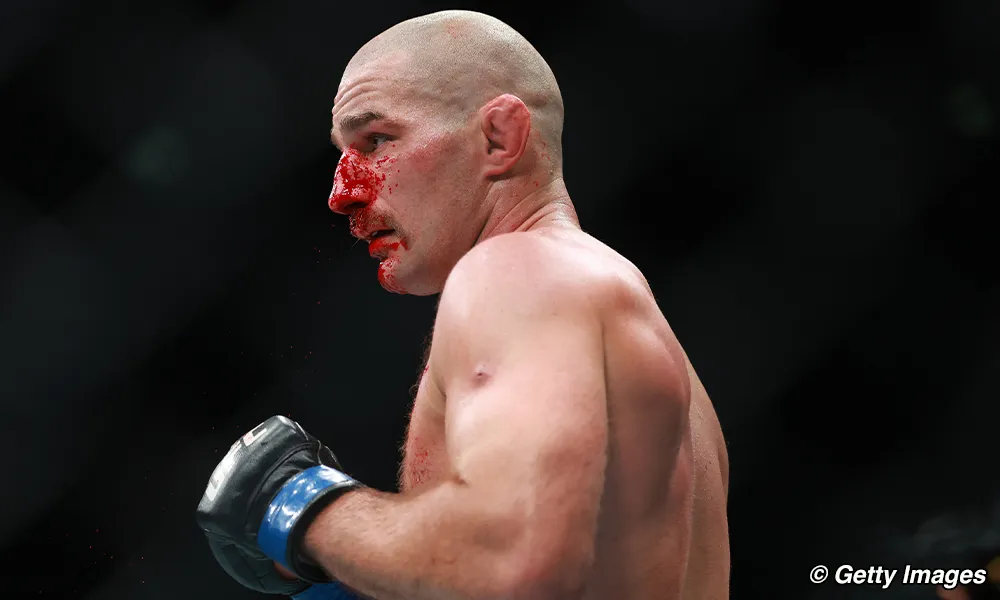
The fighter’s political outburst comes as he moves back toward the sport’s summit, with another high‑stakes date already on the books. Fresh off a third‑round stoppage of Anthony Hernandez in February, he is slated to challenge reigning middleweight champion Khamzat Chimaev in the main event of UFC 328 on May 9 at the Prudential Center in Newark, a matchup that pits his walk‑forward volume striking against one of the most dominant wrestlers in the division.