How Donald Trump’s Policies are Creating a ‘Nightmare’ for Dana White and the UFC In One Specific Area

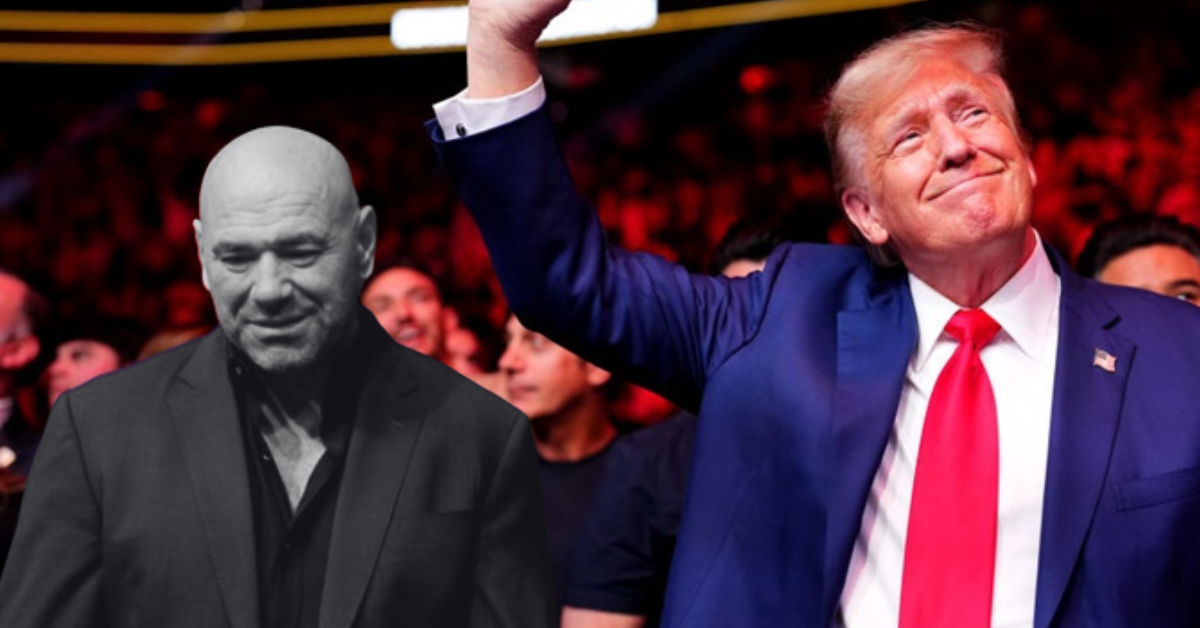
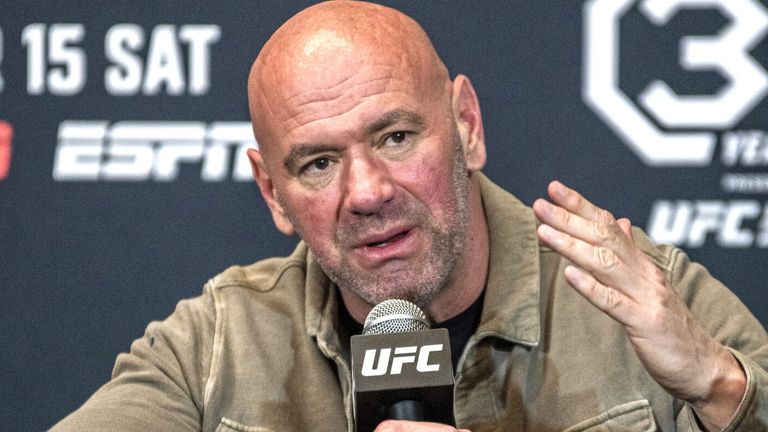
Donald Trump’s policies are slowing down the UFC. Dana White’s frustration over visa difficulties has reached a boiling point. The UFC president revealed that his organization has “given away 292 contracts to date on the Contender Series” but faces significant constraints in expanding the program. The problem lies in what White describes as a “nightmare” visa situation affecting international fighters seeking to compete in the United States.
The core issue centers on the Trump administration’s restrictive visa policies that have fundamentally altered how foreign athletes enter the United States for competition. These bureaucratic changes have created substantial bottlenecks in the visa processing system, directly impacting the UFC’s ability to recruit and showcase international talent through its developmental programs. Dana White said:
“We’ve given away 292 contracts to date on the Contender Series. I wish we could do more than 10 a year, but visas right now are a nightmare. I don’t know what the question was, but I love this show. These kids come in and literally let it all hang out — it’s very rare that we get a fight where you’re like, ‘Eh.’”
The Visa System UFC Fighters Rely On
Most UFC fighters and Contender Series prospects depend on two primary visa categories for U.S. entry. The P-1 visa serves as the standard pathway for internationally recognized athletes, allowing them to compete in the United States for up to five years when sponsored by promotions like the UFC. This visa requires proof of international recognition and participation in major leagues or competitions.
For elite fighters with exceptional achievements, the O-1A visa provides an alternative route. This “extraordinary ability” visa targets athletes who have demonstrated sustained national or international acclaim, such as championship titles, major media coverage, or membership in prestigious organizations. The O-1A offers greater flexibility, allowing fighters to work with multiple sponsors and potentially transition to permanent residency.
Fighters occasionally use B-1 visitor visas for single competitions where they only receive prize money, though this option has become increasingly restrictive. The B-1 route prohibits any form of employment or ongoing compensation beyond competition winnings.
Donald Trump Administration’s Impact on Visa Processing
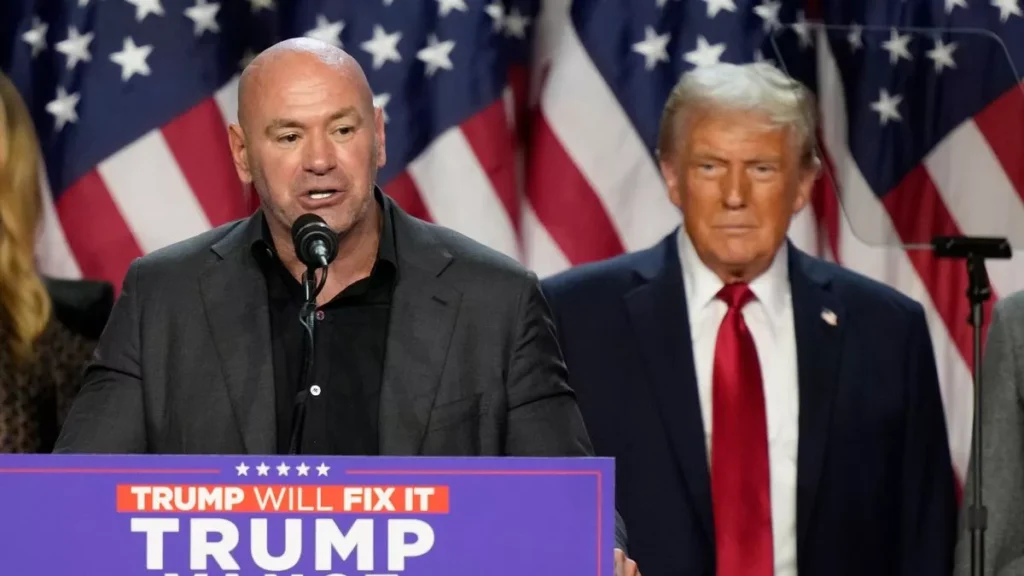
The Trump administration has implemented sweeping changes to visa processing that directly affect combat sports athletes. Bureaucratic administrative policies introduced during Trump’s first presidency and expanded in his second term have created systematic delays across all visa categories.
Key changes include mandatory interviews for more applications, expanded background checks labeled as “extreme vetting,” and requirements for biometric data collection even for routine renewals. The administration suspended visa interview waivers, forcing applicants who previously qualified for streamlined processing to attend in-person interviews at U.S. consulates.
Bureaucratic processing delays have become endemic under these policies. Embassy staff reductions combined with new screening requirements, have created substantial backlogs. Athletes now face extended wait times for visa appointments and processing, with some applications taking months longer than historical norms.
The Travel Ban’s Athletic Exemption Problem
Trump’s 2025 travel ban targets 19 countries with varying restrictions, creating additional complications for international fighters. While the policy includes exemptions for athletes participating in major sporting events like the World Cup and Olympics, it remains unclear whether UFC competitions qualify for similar treatment.
The bureaucratic ban completely prohibits entry for citizens from 12 countries including Afghanistan, Iran, Syria, and Yemen, while imposing significant restrictions on seven others. For fighters from these regions, the traditional visa pathways have become effectively inaccessible regardless of their athletic achievements or UFC contracts.
Documented Impact on UFC Operations – Dana White’s Nightmare
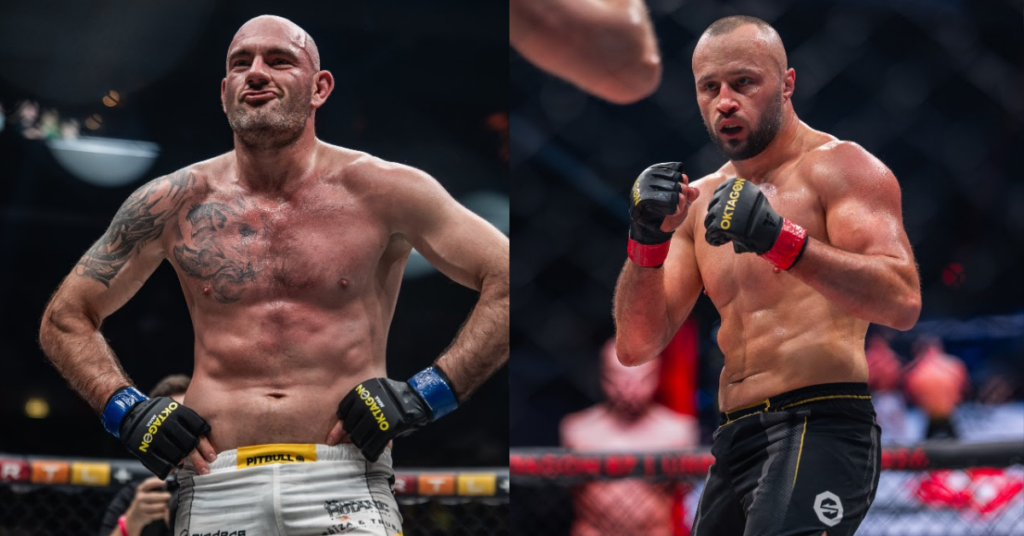
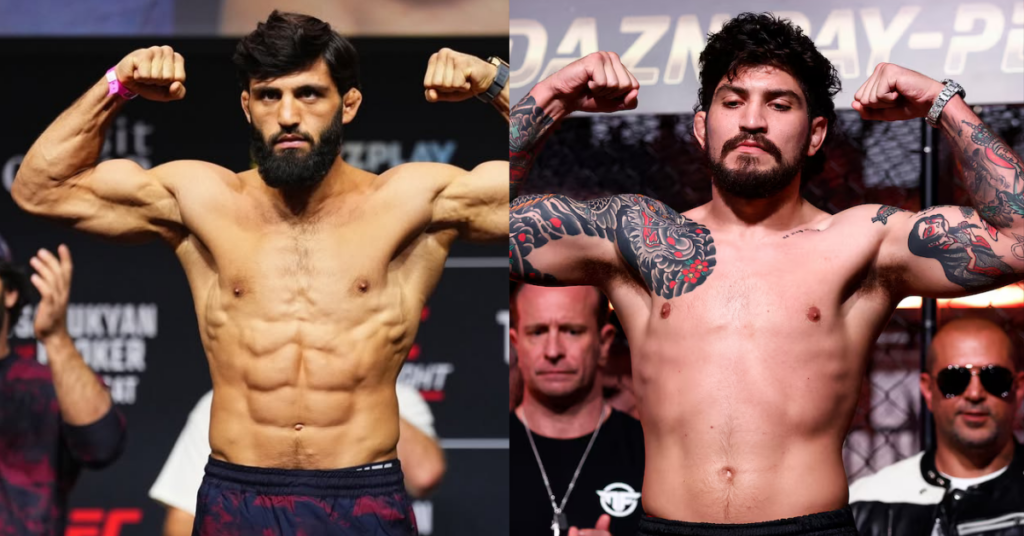
The visa crisis has produced tangible disruptions to UFC events and fighter careers. Multiple recent fights have been cancelled due to visa delays, including Oban Elliott’s cancelled bout with Ramiz Brahimaj after visa approval delays. Yousri Belgaroui withdrew from his fight with Azamat Bekoev due to similar visa complications.
These cancellations represent more than scheduling inconveniences. They directly undermine the UFC’s business model, which depends on consistent international talent flow to maintain competitive matchups and develop new stars through the Contender Series program.
Immigration attorneys specializing in athlete visas report increased denial rates and processing delays. The combination of heightened scrutiny and reduced consular capacity has created a perfect storm for sports organizations dependent on international talent. The visa restrictions extend beyond immediate scheduling problems to threaten the UFC’s long-term talent pipeline.
When promising international fighters cannot secure timely visa approvals, they miss critical career opportunities that cannot be easily rescheduled. Training camps, promotional activities, and media obligations operate on fixed timelines that do not accommodate bureaucratic delays.
The restrictions also affect fighter support teams, including coaches and training partners who require separate visa applications to accompany athletes to the United States. This creates additional complexity and expense for international fighters already navigating a challenging system.
Immigration Policy
While the administration has emphasized border security and immigration restrictions, these policies have created unintended consequences for legitimate business activities, including professional sports. The administration’s focus on “extreme vetting” has expanded beyond security concerns to encompass broader bureaucratic restriction goals.
Athletes who previously faced routine processing now encounter intensive background checks and extended review periods that can derail time-sensitive competition schedules.
College sports face similar disruptions, with international student-athletes experiencing visa appointment delays and processing backlogs that threaten their ability to participate in upcoming seasons. The pattern suggests systemic rather than sport-specific issues within the bureaucratic system.
Dana White‘s visa nightmare represents a collision between sports entertainment business needs and restrictive bureaucratic policies.