How a Staph Infection Nearly Ended Ben Askren’s Life – In His Own Words

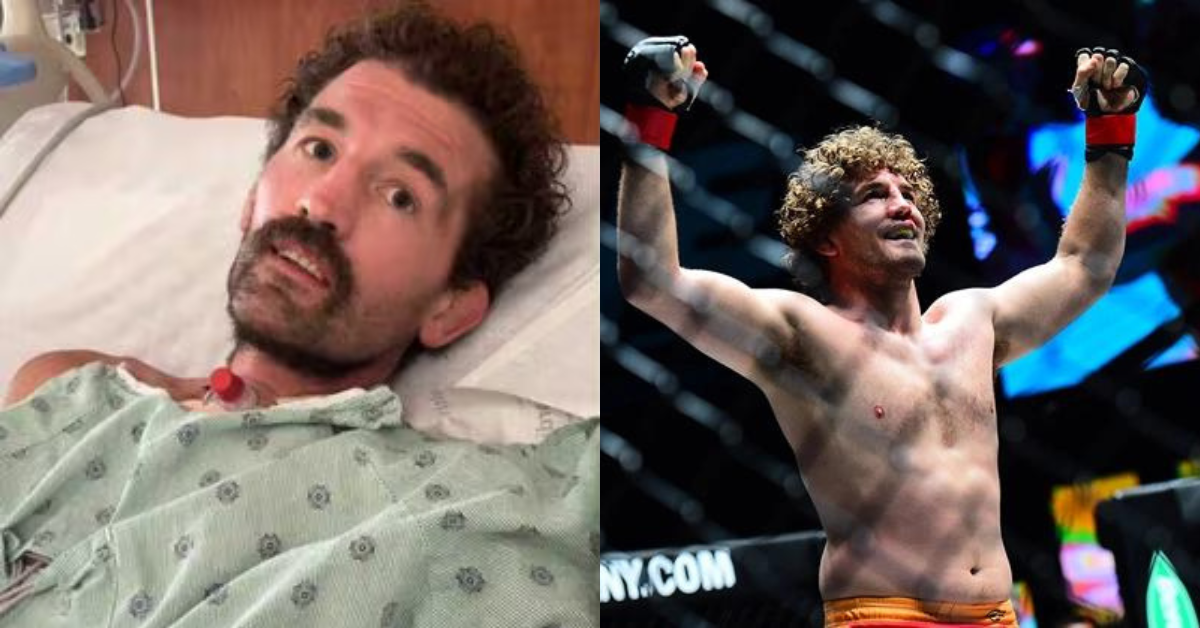
Former Olympic wrestler and mixed martial artist Ben Askren has shared a detailed account of the chain of events that led to his near-fatal hospitalization and subsequent double lung transplant. Askren, who competed as a two-time national wrestling champion and represented the United States at the 2008 Beijing Olympics before embarking on a 19-fight MMA career, initially dismissed his symptoms as a routine back spasm.
In late May, Askren rolled with training partner Raphael Lovato Jr. and felt no immediate issues. During a pool gathering the following Saturday, he experienced intense pain in his lower back and treated it with ice, recalling:
“I thought it was a back spasm—I’ve had maybe five in my career. Then on Saturday afternoon, at the pool, my back started hurting so much I iced it. By Wednesday, my wife forced me to the hospital. I told them I had a back spasm, they gave me meds that didn’t work, and by the next morning I was in really rough shape. I remember walking in but don’t remember anything after that until I woke up around July 2nd.”
When the pain persisted through the week, his wife Amy insisted he seek medical attention. Askren checked into a Wisconsin hospital on Wednesday, reporting only a back spasm; the prescribed medication did not alleviate his condition, and by the next morning he was in critical condition and largely unconscious.
Ben Askren Details Near-Fatal Staph Infection and Double Lung Transplant
Unbeknownst to him, a small staph infection on his elbow had entered his bloodstream and migrated to his lungs, causing necrotizing pneumonia. Initial high-dose antibiotics failed to halt the infection’s progression, and his lungs began to fail. During the intervening days, his heart stopped on multiple occasions, and doctors concluded that the only way to save his life was through a double lung transplant.
“I had a little spot of staph on my elbow—I cleaned it, showered, and thought it was gone. But it somehow got into my bloodstream, then into my lungs, and started eating them. They tried heavy antibiotics, but my lungs kept failing, and the only way I’d survive was a double lung transplant.”
Askren’s transplant surgery took place after he was placed on the active waiting list. The procedure involved removing his damaged lung tissue – a process described by Askren as the surgical team “scrap[ing] my previous lungs out of my chest cavity.” Post-surgery, Askren spent weeks in a medically induced coma and underwent a lengthy period of ventilator support before regaining consciousness with two new lungs.
His weight plunged to approximately 138 pounds, a level he had not seen since his mid teens, and he lost more than 50 pounds over the course of 45 days. Even months after the surgery, Askren continues to contend with profound fatigue. He described his recovery limits.
“Food finally tastes good again, so putting on weight is easier. But I still lack energy—if I do three things today, I crash tomorrow. I hiked 47 minutes but felt awful for two days after. I can walk and drive now, but I need help with chores, and my wife bears a huge burden handling medical, insurance, and our kids.”
Despite these challenges, Askren reports gradual improvements. He noted the return of taste, which has aided weight gain, and he has begun light hikes, though with significant recovery setbacks. He remains on an immunosuppressant regimen to prevent organ rejection and attends regular follow-up appointments.
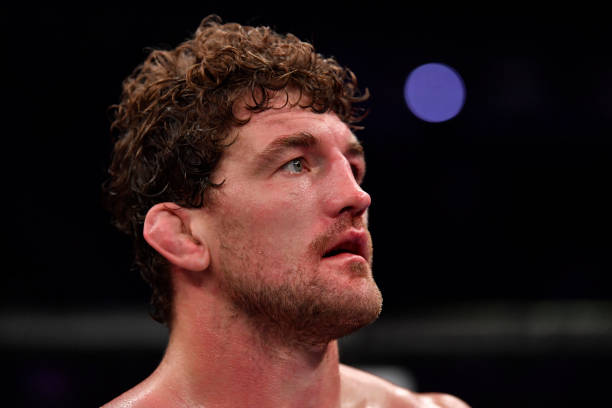
Throughout his ordeal, Askren’s wife coordinated his care and managed insurance complications, while the combat sports community organized fundraisers and offered support. Fellow fighters, former rivals, and fans contributed to a GoFundMe campaign to cover transplant and post-operative expenses. In his interview with Ariel Helwani, Askren expressed gratitude for this outpouring of assistance and for the donor family whose gift made his second chance possible.