Fans Sound the Alarm: Is UFC 327’s Low Gate a Warning Sign for the UFC Live Business?

Fans are sounding the alarm on UFC 327 because the event’s reported $6,518,684 gate and announced crowd of 17,741 at Miami’s Kaseya Center looked weak against the UFC’s recent history in the same city. More than that, the number has sparked a larger question: was this a one-night pricing miss, or an early sign that the UFC’s live-event formula is starting to slip?
UFC 327 numbers leave fans sounding the alarm over ticket demand
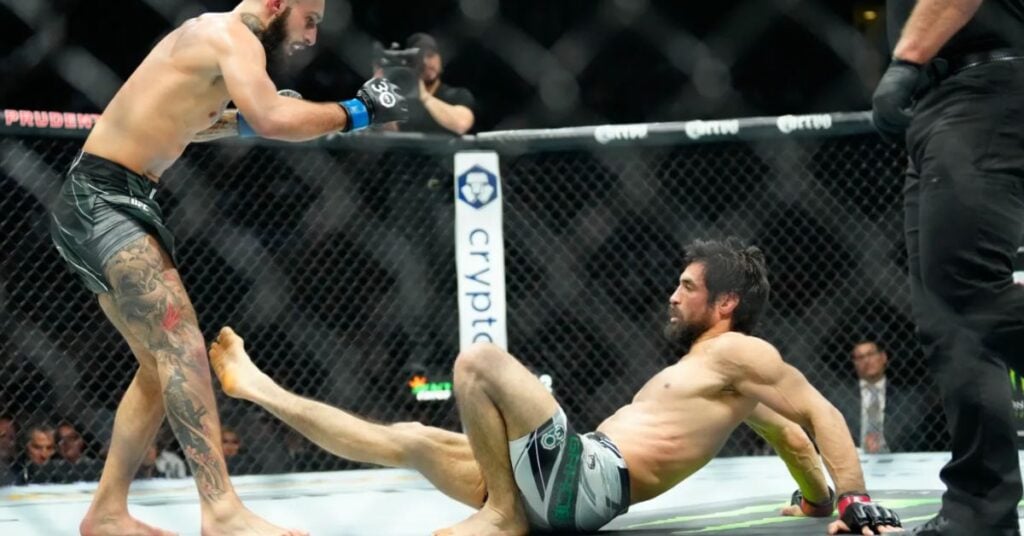
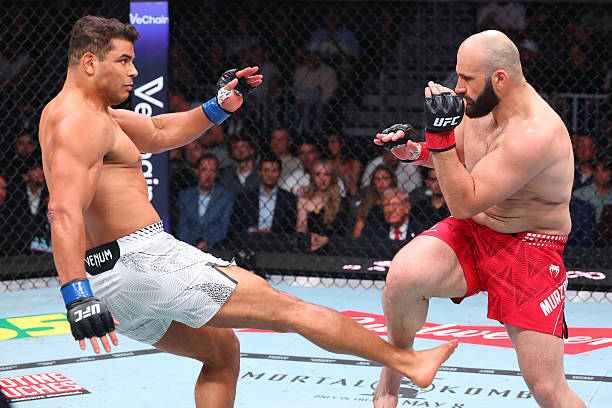
UFC 327 gave fans action in the cage, but much of the talk after the event had little to do with what happened under the lights. The April 11 card at Kaseya Center in Miami, headlined by Jiří Procházka vs. Carlos Ulberg, officially drew 17,741 and produced a reported gate of $6,518,684. Those numbers are solid in a vacuum. In Miami, they set off alarms.
The issue is not that UFC 327 was empty or dead on arrival. The issue is that Miami has become one of the UFC’s strongest pay-per-view markets, and this card fell well short of the standard set there over the past few years. UFC 287, built around Alex Pereira vs. Israel Adesanya 2, reportedly brought in about $11.9 million to $12 million. UFC 299, headlined by Sean O’Malley vs. Marlon Vera 2, drew 19,165 and a reported $13.75 million gate, a figure reported as a Kaseya Center record. UFC 314 also reportedly cleared $11.5 million with 18,287 in attendance. Against those events, UFC 327 was dramatically down.
That is where the concern starts to shift from one event to a bigger business question. Was the UFC simply charging too much, or are fans becoming more selective about what they will pay premium prices to see live? The pricing criticism has real weight. UFC 327 tickets started at $206 and climbed as high as $50,875 for premium packages. For a card built around a vacant light heavyweight title fight and without a proven top-tier box office draw, that pricing gave fans plenty of reason to hesitate.
At the same time, the product question is harder to ignore. UFC 327 does not prove the UFC is in decline, and one weak Miami gate does not erase the promotion’s recent successes. But it does suggest that brand power alone may not be enough to keep pushing top-dollar live gates if the card lacks a clear superstar, a major rivalry, or a sense that fans are watching something essential. Yahoo’s pre-fight coverage pointed to weak advance sales, and some commentary suggested many fans made the simple choice to stay home and watch through streaming platforms instead.
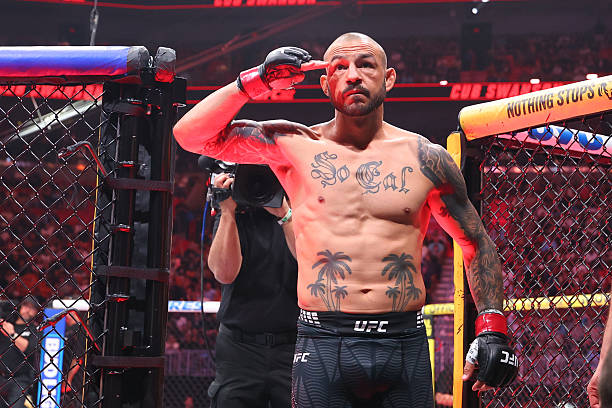
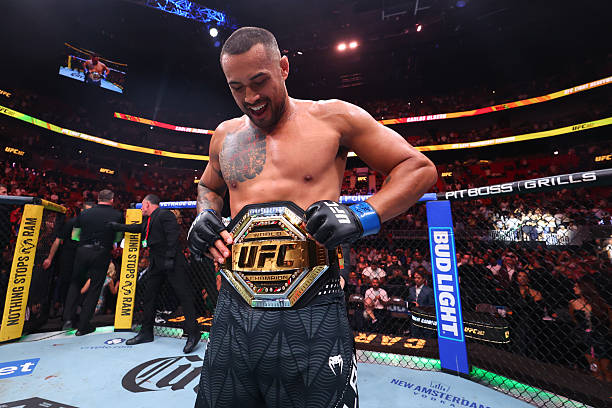
The UFC promoted Procházka vs. Ulberg as a vacant title fight, but it did not have the same commercial lift as Pereira-Adesanya 2 or O’Malley-Vera 2. Those earlier Miami cards had stronger built-in stories and more proven sellers. Fans were not comparing UFC 327 to a random Fight Night. They were comparing it to what Miami now expects from a numbered UFC event.
Reports and online discussion around unsold seats had already been circulating before fight night, and that chatter only grew after the event. Former UFC champion Henry Cejudo said on his podcast that the arena did not look sold out and estimated around 6,000 tickets were unsold, though that figure was not official. Even without treating that number as confirmed, the comment added fuel to an argument many fans were already making: if this was supposed to be another major Miami success, it did not look or feel like one.
WWE fans have been pushing back at TKO over rising ticket prices too, especially around WrestleMania 42, where reports said the company was unhappy with sales pace despite keeping premium pricing in place, with listed seats ranging from about $266.80 to $8,998 and VIP packages reaching roughly $46,219. Other reports have described growing backlash from both fans and some talent over the cost of attending WWE events, with talk that TKO is trying to push WWE ticket yields closer to UFC levels.
That matters for your UFC 327 piece because it helps frame the Miami gate issue as part of a larger TKO-era debate: how far can the company raise prices across both brands before fans in strong markets stop treating live events as automatic buys?
That is why fans are sounding the alarm. UFC 327 may not be a sign of collapse, but it does look like a warning. It suggests there may be a ceiling to how far the UFC can push ticket prices when the star power is thinner and the event does not feel essential.