Conor McGregor Escalates NFT Controversy, Demands Apology from Khabib Nurmagomedov

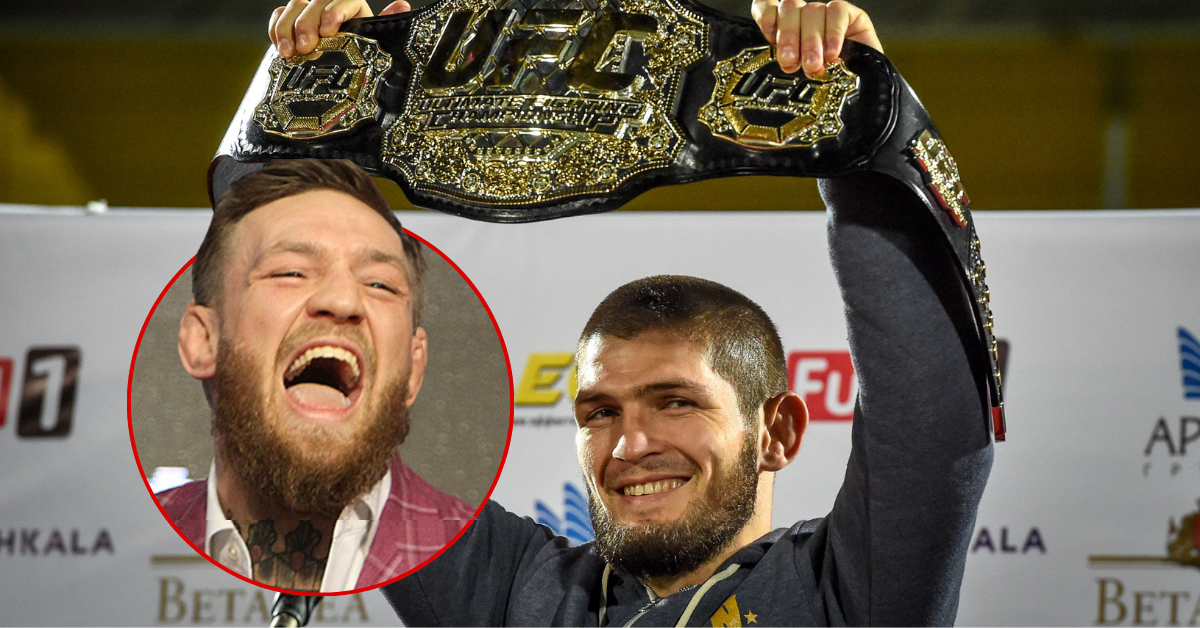
The digital collectible controversy between Conor McGregor and Khabib Nurmagomedov has intensified, with McGregor issuing a new public response that further criticizes Khabib’s business move and personal ethics.
Conor McGregor’s New Statement
McGregor, never one to shy away from public disputes, called on Khabib to “apologise this instant for using your late father’s name to sell these ‘gifts’,” referencing the Telegram papakha digital collectibles auctioned by Khabib days earlier. McGregor argued, “To sell something means it is not a gift you low iq troglodyte!” and emphasized that charging fans for an item advertised as a gift is misleading. Pointedly, McGregor accused Khabib of “scamming on your dead daddy’s name”, and mocked his rival for what he sees as a contradiction in the campaign’s messaging.
Background on the Controversy
Days prior, Khabib launched a series of digital papakha collectibles on Telegram, representing the iconic Dagestani hat worn during his UFC career. The promotion capitalized on his personal and cultural symbolism, and 29,000 units were sold for about $150 USD each, generating a total revenue over $4 million. Some fans viewed this as a harmless collectible sale, others saw a problem with the use of his late father’s legacy and local traditions for profit.
McGregor seized on complaints about Khabib deleting promotional posts after the sale, suggesting that fans who paid felt misled once the campaign was wiped from social media. He framed this as a “scam” and argued that it dishonors Abdulmanap Nurmagomedov’s name, reigniting the tension that began when McGregor first accused Khabib of selling NFTs while invoking his father’s legacy.
Khabib Nurmagomedov ’s Prior Response and Context
Khabib responded robustly in his previous statements, calling McGregor an “absolute liar” and claiming the Telegram collectibles honored Dagestani culture. He argued that the papakha gifts are tradable digital assets embodying local tradition, and that being available exclusively on a major messaging platform supported their legitimacy. He also referenced his UFC 229 victory against McGregor as proof of his reputation.
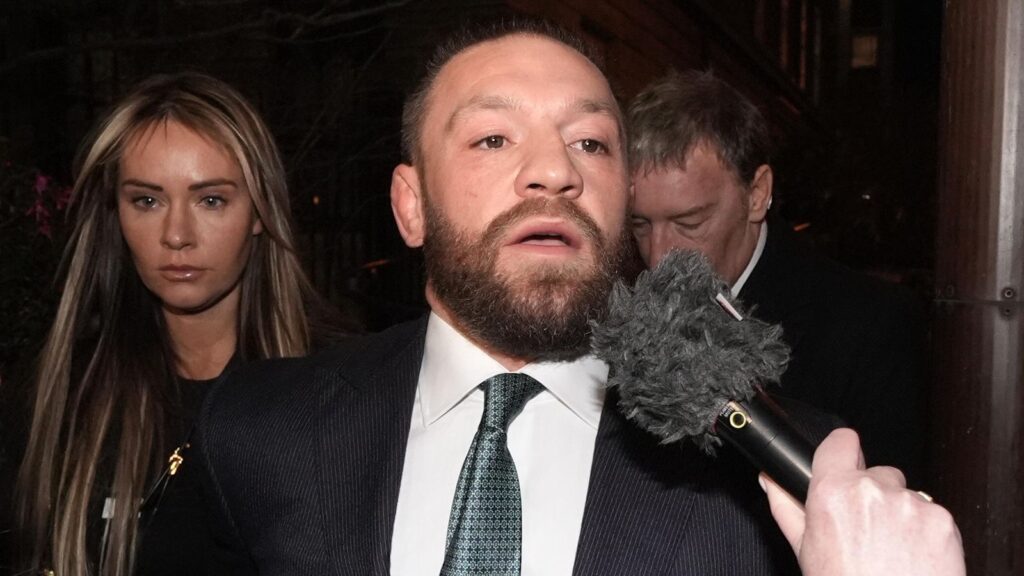
Some side with McGregor regarding the ethics of cultural and familial marketing. Others believe Khabib is being unfairly targeted, since digital collectibles and branded merchandise are common business moves in sports.
Despite criticism, Khabib has not backed away from defending the digital gifts, maintaining that the approach honors heritage rather than exploits it. Whether or not the apology McGregor demands is forthcoming, the story has reinforced both fighters’ enduring ability to capture headlines and polarize the combat sports community.