Boxing Training Ranked: Olympic Medalist Tony Down the Best and Worst Techniques

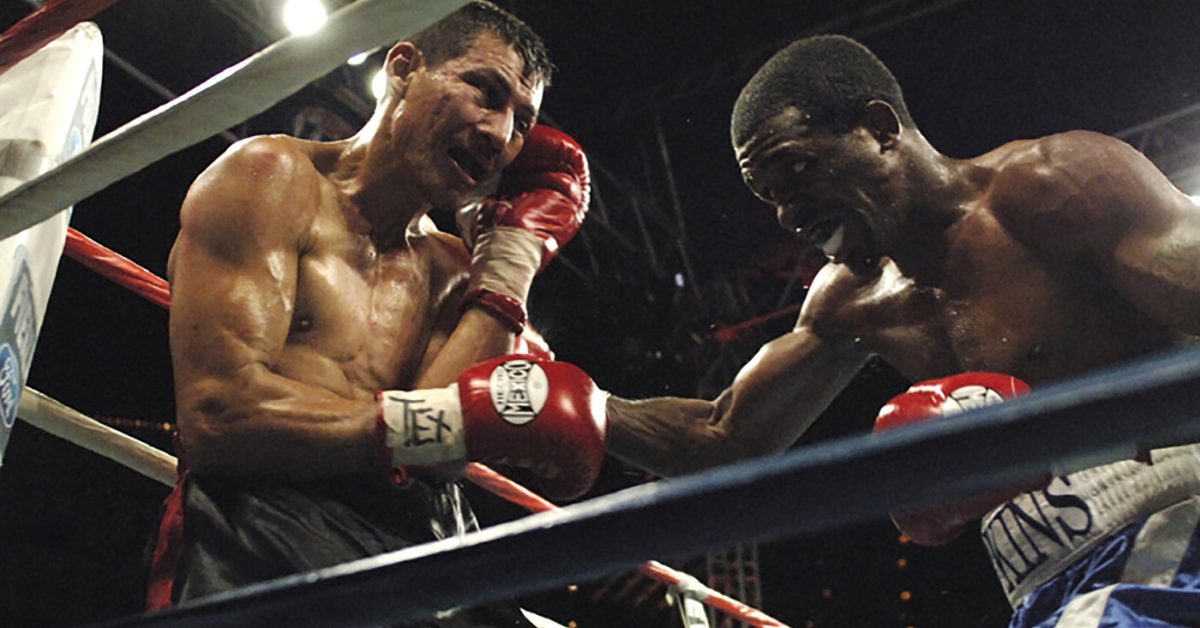
Olympic medalist Tony Jeffries has released a comprehensive ranking of boxing training methods, evaluating 20 common techniques used by fighters and fitness enthusiasts. The former undefeated professional boxer provided detailed analysis of each method’s effectiveness for improving boxing skills.
Tony Jeffries: Credentials
Jeffries brings substantial credibility to his training analysis. The British boxer won a bronze medal in the light heavyweight division at the 2008 Beijing Olympics, becoming the first British light heavyweight to earn an Olympic medal in over 60 years. Born in Sunderland, England, in 1985, Jeffries began boxing at age 10.
His amateur career included seven national championships, a European gold medal, and representation for England at the 2006 Commonwealth Games and 2007 World Championships. After his Olympic success, Jeffries turned professional in February 2009, compiling an undefeated record of 9-0-1 with six knockouts before injuries forced his retirement in 2012.
The Best Boxing Training Methods Rankings
S-Tier (Savage) – The Elite Methods
Technical Sparring topped Jeffries’ list as the most effective training method for skill development. This controlled form of sparring focuses on specific techniques without the intensity of competitive fighting. Jeffries emphasized that technical sparring allows fighters to practice offense, defense, footwork, head movement, and boxing intelligence without the risk of serious injury
Heavy Bag Training earned S-tier status due to its versatility and effectiveness. Jeffries, who holds the Guinness World Record for most full-extension punches in 24 hours with 147,218 punches, highlighted the heavy bag’s ability to improve technique, conditioning, power, and footwork. He noted that virtually any boxing problem can be addressed through proper heavy bag work.
Traditional Shadow Boxing received an upgrade to S-tier during Jeffries’ analysis. He praised its value for warming up, correcting technical flaws, and developing game plans by visualizing opponents. The method requires no equipment and can be performed anywhere.
Agility Ladder Training completed the S-tier category. Jeffries stressed that footwork is fundamental to boxing success, stating that poor footwork negatively impacts punches, reactions, power, and energy efficiency.
A-Tier – Highly Effective Methods
Pad Work (Mitt Work) earned A-tier ranking, with Jeffries noting its effectiveness depends heavily on trainer quality. When performed correctly with skilled trainers, mitt work improves technique, speed, power, reactions, head movement, and footwork.
Double End Bag received A-tier status for developing timing, accuracy, speed, conditioning, and defensive skills. Jeffries recalled falling in love with this training method after initially struggling with it as a beginner.
Body Shield Training rounded out the A-tier methods. When used with proper coaching, this technique allows for powerful body shots at various angles while maintaining movement and defensive positioning.
Wrecking Ball earned A-tier recognition for its softer material and versatility compared to water balls, allowing for both hard hitting and footwork practice.

B and C-Tier – Moderate Effectiveness
Water Ball training received B-tier ranking. While offering unique uppercut training opportunities, Jeffries found it potentially more harmful to joints than traditional heavy bags and limited in body shot applications.
Speed Ball, Jump Rope, Shoulder and Body Sparring, Slip Ball, and VR Boxing all earned C-tier ratings. These methods provide specific benefits but were deemed less crucial for overall boxing improvement compared to higher-ranked techniques.
D-Tier – Limited Value
Hard Sparring received D-tier ranking due to its high injury risk. While it prepares fighters for actual competition intensity, Jeffries warned that excessive hard sparring has ended more careers than actual fights.
Training at Home also earned D-tier status, with effectiveness heavily dependent on proper planning and specific goal identification.
F-Tier – Methods to Avoid
Taking Punches from Coaches topped the worst practices list. Jeffries strongly condemned this viral social media trend, explaining that repeated head trauma slows reaction time, hand speed, and punching power while increasing concussion risk.
Shadow Boxing with Heavy Dumbbells (over 2 pounds) earned F-tier ranking for destroying proper technique and creating injury risk, particularly to shoulders and lower back.
Light Boxer Machine and Cobra Bag also received F-tier ratings for developing poor habits and failing to improve actual boxing skills.

The Olympic medalist stressed the importance of footwork as the foundation of all boxing skills, stating that improvements in foot positioning lead to enhanced punching, reactions, and overall performance. His rankings reflect a philosophy prioritizing skill development over entertainment value or trending methods.