UFC BJJ’s Rise in the Shadow of PEDs – Insights from Craig Jones

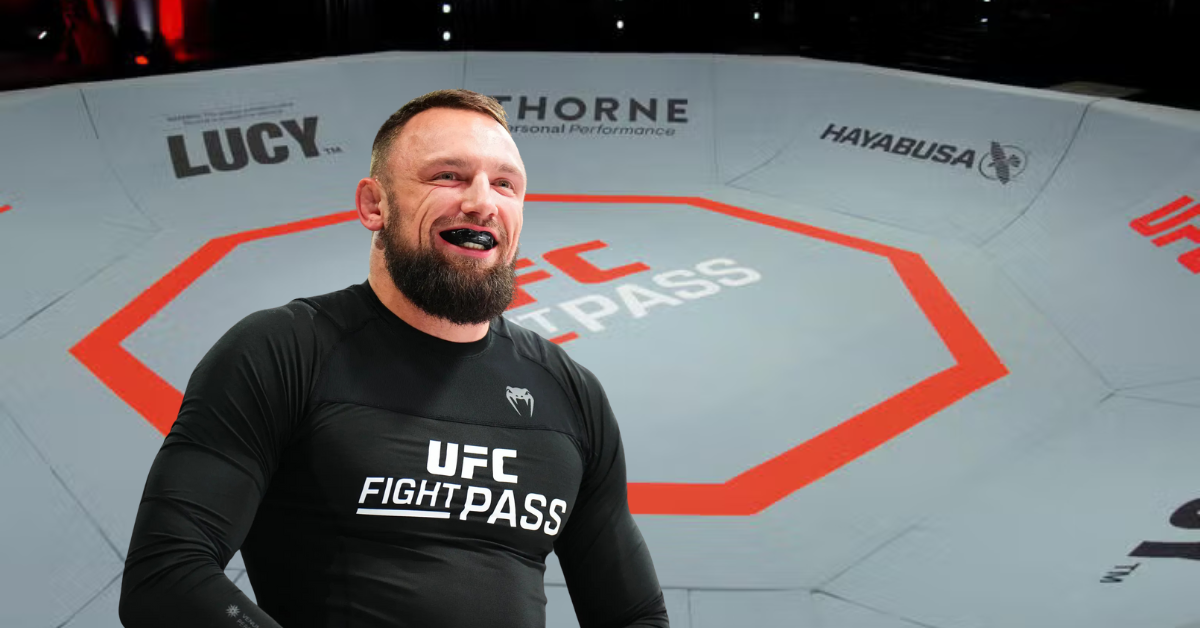
Craig Jones, the Australian Brazilian Jiu-Jitsu star and founder of the Craig Jones Invitational, has offered a critical perspective on how the UFC’s entry into professional grappling may contribute to performance enhancement pressures within the sport.
Craig Jones on UFC BJJ
The B Team Jiu-Jitsu founder expressed concerns about how the spotlight of major organizations creates an environment where athletes feel compelled to pursue what he terms “quick fixes” to maintain competitive edge. Jones specifically pointed to steroids and other performance enhancing drugs as shortcuts that athletes might consider when facing the intense pressure of high-profile competition.
His observations come during a period of significant transformation in competitive grappling. The UFC launched its Brazilian Jiu-Jitsu program in 2025, featuring established competitors like Mikey Musumeci and bringing unprecedented production values to the sport. Speaking in an interview with Demetrious Johnson, he explained:
“The UFC BJJ scene, you know, it’s brought a lot of exposure and money to the sport, which is good, of course. But it’s also kind of a double-edged sword. I feel like the pressure to perform under that huge spotlight sometimes pushes guys towards quick fixes like steroids or other performance enhancers. It’s all about staying sharp and keeping up, but it muddies the purity of the sport.”
Performance-Enhancing Drugs in BJJ
Craig Jones‘ criticism extends beyond performance enhancement concerns to broader issues within the sport’s business structure. He has previously warned athletes about signing contracts with unfavorable payment structures, particularly those featuring show-win bonuses that he believes exploit competitors.

The timing of these comments coincides with the announcement of PED testing protocols for UFC BJJ events. Mikey Musumeci revealed that comprehensive drug testing will begin in 2026 for all title matches, marking a significant shift toward standardized anti-doping measures in professional grappling. This development represents a departure from the historically relaxed approach to performance enhancement regulation in most grappling competitions.
Current testing protocols across major grappling organizations remain inconsistent. While the International Brazilian Jiu-Jitsu Federation conducts testing at World Championships level, the majority of high-profile events including ADCC operate without comprehensive drug testing programs.
The landscape becomes more complex when considering the prevalence of performance enhancement use within the sport. ADCC champion Kade Ruotolo recently estimated that 98 percent of elite competitors would withdraw from competition if comprehensive testing were implemented across all major events.
Craig Jones has been transparent about his own history with performance enhancing substances, describing his preparation methods and advocating for what he characterizes as harm reduction through education rather than prohibition. His approach involves sharing specific protocols to discourage athletes from pursuing more dangerous enhancement regimens.
Jones and the UFC
The Australian grappler’s relationship with the UFC has been strained by contractual disagreements and philosophical differences about the sport’s direction. He declined an offer to coach in the UFC BJJ reality show format, citing scheduling conflicts and concerns about the organization’s approach to athlete agreements. This tension has extended to public criticism of what Jones perceives as the UFC’s attempts to establish monopolistic control over professional grappling through exclusive contracts.
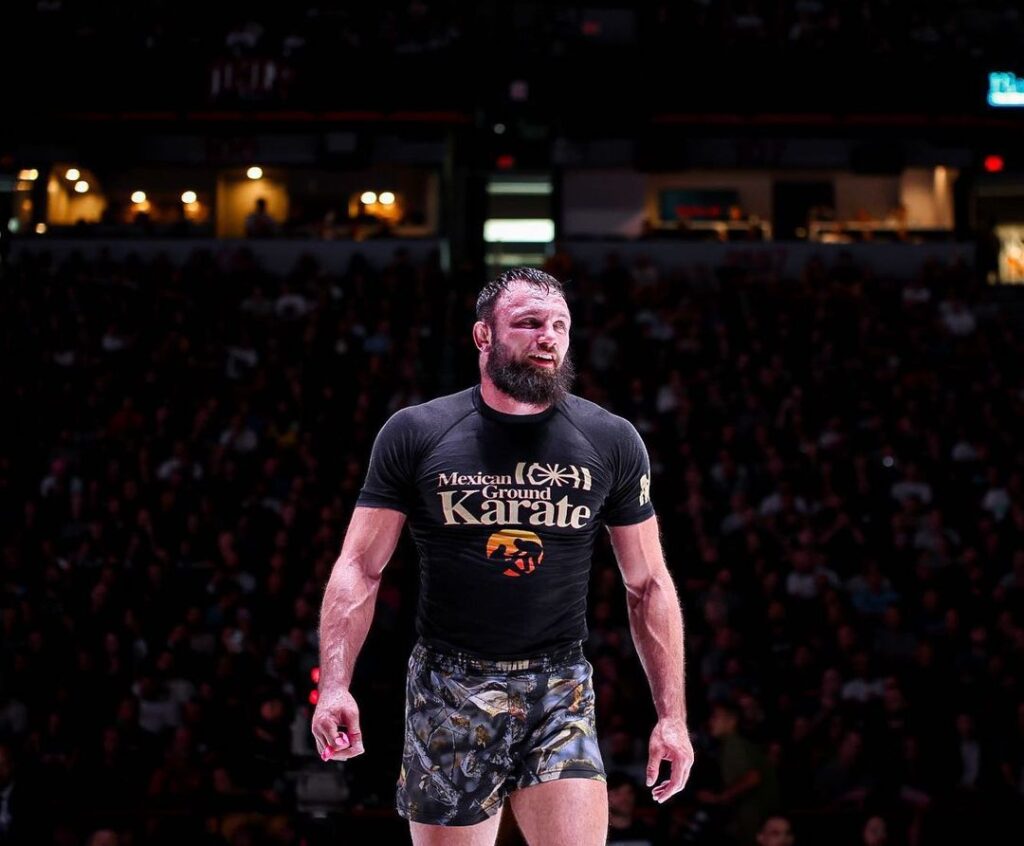
Since its launch in 2025, UFC Brazilian Jiu-Jitsu has held several high-profile events that have introduced the sport to broader audiences with significant production values and substantial prize purses. The events have featured top grapplers, including UFC-contracted athletes and independent stars, competing under standardized rules designed to showcase technical skill and maximize spectator engagement.
Looking ahead, UFC BJJ plans to implement full performance-enhancing drug testing starting in 2026, signaling a commitment to cleaner competition. The organization also aims to expand its event schedule and refine competition formats to balance athlete welfare with audience appeal, striving to establish UFC BJJ as a premier platform within the professional grappling landscape.