How Neuro-Linguistic Programming Techniques Are Changing the Way UFC Fighters Prepare Mentally


UFC mental performance coach Brandon Epstein says a major obstacle for both athletes and everyday people is “self-suppression,” which he describes as holding back natural inspiration. “That self-suppression creates a depression in any aspect, right? Anytime you’re trying to just squeeze in, hold it in, hold it in. Whether it’s an inspiration you have, whether it’s like, hey, I want to go play this sport, but I just never make time for it. That’s self-suppression. Like you have to make time for your natural inspiration to flow through you. And if you don’t, I think that’s what creates depression.”
Brandon Epstein
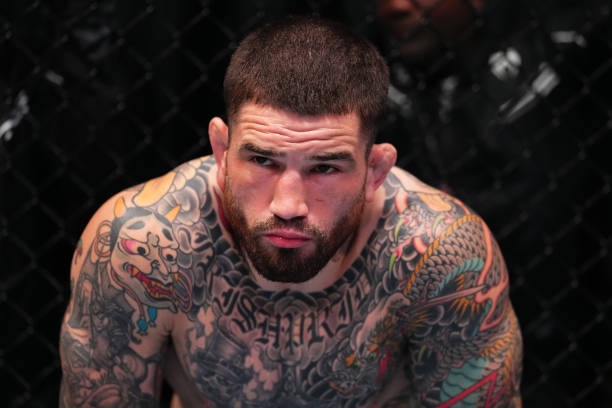
Speaking on The Joe Rogan Experience, Epstein – who has worked with UFC welterweight contender Sean Brady -discussed how concepts from Steven Pressfield’s The War of Art inform his coaching. Pressfield calls the mental block “resistance,” something Epstein says everyone encounters: “There’s something there, you know, there is that resistance that Pressfield talks about. Like that’s exactly what I’m talking about. It’s doing something to you. Whether you’re an athlete, whether you’re a creative, I mean, I think it applies to everyone. Like the resistance is whatever is holding you back from following your natural inspiration.”
How Brandon Epstein Uses Neuro-linguistic Programming When Coaching Fighters With Joe Rogan
Epstein says fear of failure fuels that resistance. Drawing on a past example from his fitness coaching days, he explained how a client might avoid exercise due to a subconscious belief that it would harm another part of their identity, like parenting.
“You deep you go down into her subconscious, find oh well, I believe that if I start working out I won’t have time to be the mom that I am right now and then my kids will leave me. Completely irrational but subconsciously that’s what exists out there for so many people.” He tries to reframe such beliefs: “That’s the power of transmuting the energy. So, just flipping the energy on it, right? To go from this is going to make me a worse mom to this can make me a better mom. And maybe that will give them enough juice to actually go do the workout.”
At the elite level in the UFC, Epstein’s role becomes more targeted. During fight week, he aims to keep athletes “matter of fact” and present: “Basically fight week, I want his energy. I want him to be matter of fact about everything. Just matter of fact. Just neutral… Just right there.” If a fighter’s confidence is shaken – for example, by losing sparring rounds – Epstein uses mental techniques to turn those moments into proof of improvement rather than doubt. “It’s literally reprogram that belief inside of them… instead of it creating a seed of doubt, now it’s okay, I’m getting better.”
A key part of his process is identifying what he calls the “core wound” – the most impactful negative event in a client’s life – and clearing it to boost confidence and self-belief. This often requires a high level of trust. “I would say that nobody knows any of my clients better than them except for maybe their wives. It’s an extreme intimacy… But the only way we get there is they’re telling me their deepest darkest secret.”
neuro-linguistic programming
Epstein uses tools like hypnosis and neuro-linguistic programming to address these deep patterns. He describes NLP as “playing with perception” and offers the example of helping a professional baseball player overcome a fear of flying. The process involved visualizing the fear, altering the mental image – removing its color, shrinking it, making it disappear — and replacing it with a new image of a calm, safe flight.
Neuro-Linguistic Programming (NLP) is a psychological approach that explores how the brain (neuro) processes information, how we use language (linguistic) to communicate and think, and how these shape our behaviors and beliefs (programming). By understanding and changing these mental and language patterns, NLP aims to help people overcome fears, limiting beliefs, and habits to achieve personal goals and improve their mindset.
It uses techniques like visualization, reframing, and altering internal representations to shift how we perceive and respond to experiences, often applied in coaching, therapy, and performance enhancement.
For Epstein, these techniques are not pre-scripted but adapted in real-time to each athlete. “Honestly I don’t know what I’m going to do before I go into any session. It’s all I just feel it in the present moment… I have all these tools I can use and then I feel into what their issue is and then I do my best with the tools I have to fix their issue.”