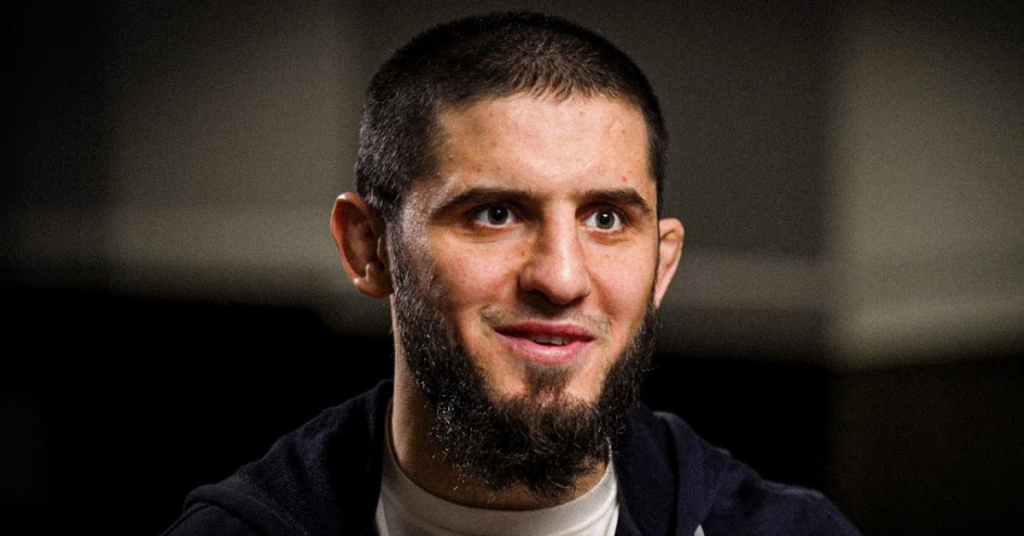
Exclusive | Elias Schulze Discusses PFL Africa’s Vision for MMA’s Future on the Continent


PFL Africa is looking to the future, and Elias Schulze believes the league has already found one of its most important markets. In a wide-ranging interview, the PFL Africa General Manager said Rwanda gave the promotion a clear lesson in how to introduce MMA to a new audience while keeping the standards at a global level. The first PFL Africa semifinals were later confirmed for Kigali’s BK Arena, with James Opio, Nkosi Ndebele and other regional names on the card, placing Rwanda at the heart of the league’s 2025 path.
PFL Africa’s Future
Schulze said the Rwanda project worked because PFL did more than stage a fight night. “You have world class event infrastructure, very safe, very enabling environment, but you have a consumer environment that doesn’t know much about MMA,” he said. “It was a great experiment to see how quickly we could raise that knowledge curve and how fans would react to that.” He said the answer was to “play locally” while still keeping the event presentation at the level fans expect from a major MMA brand.
Ecosystem
That meant sending the team into the community before fight night. Schulze said PFL worked with sporting events, universities, gyms and the Ministry of Sports to help people connect with the product in a way that felt familiar. “We really tried to embed ourselves into the community,” he said. “That turned out to be the right strategy.” He added that the same approach gave PFL a model it could use again in Rwanda or in other African markets where the sport is still building its audience.
For Schulze, the job goes well beyond matchmaking. He described PFL Africa as a project that has to build the full support system around the fights. “It’s not just a fight event that we’re trying to put on,” he said. “It’s an entire ecosystem that we’re trying to support.” That includes the cage, the rigging, the lights, camera crews, judges, referees, doctors and the people handling venues, hospitality and security. He said PFL also runs clinics and training sessions so local workers can gain the skills needed to stay involved long after the event leaves town.
Schulze also stressed that the league’s goal is to create a live event that feels like a full night out. “It’s not just a hardcore technical MMA nerdy event,” he said. “Yes, top skills will be on display by far the best in Africa, but it’s also a festive moment.” He said music, culture and other fight-week activations are part of the plan in every market, including Nigeria, which PFL views as a possible recurring anchor stop.
Four Corners of Africa
Nigeria is next on the map, and Schulze did not hide its importance. “Nigeria is a must-win market,” he said. “You cannot claim to be a credible operator in Africa and neglect Nigeria, period.” He said the country already has a strong combat sports base through boxing and Dambe, which gives PFL a chance to grow MMA in a place that understands fight sports. “We come in humbly but boldly,” he said. “This is an emerging sport and we want to win a broad swath of fans.”
“We’re looking to go to all four corners of the continent.” He tied it to a true pan-African rollout and said that includes North Africa as well, with markets such as Egypt, Morocco, and Algeria in view.

Rwanda
Rwanda, though, remains a major part of the conversation. Schulze said the country has already proven it can host PFL Africa at a high level, and he left the door open for a bigger role in the future. “It would be our desire to find a path to host the finals there,” he said. “That’s on the table. Nothing has been finalized.” He said the first Rwanda event helped de-risk the idea and showed that Kigali can handle the event pressure that comes with a major championship setting.
The Kigali semifinals later confirmed that view by placing Rwanda as the site of the first PFL Africa semifinal round, with 11 bouts scheduled and James Opio lined up for a showcase fight in front of a home crowd. Schulze said he would expect more Rwandan fighters to be involved if the league returns there with the finals. “If we’re able to host the finals there, I’m very confident you’ll see at least two or three Rwandan fighters,” he said. He added that the East African talent base is still emerging, but the direction is positive.
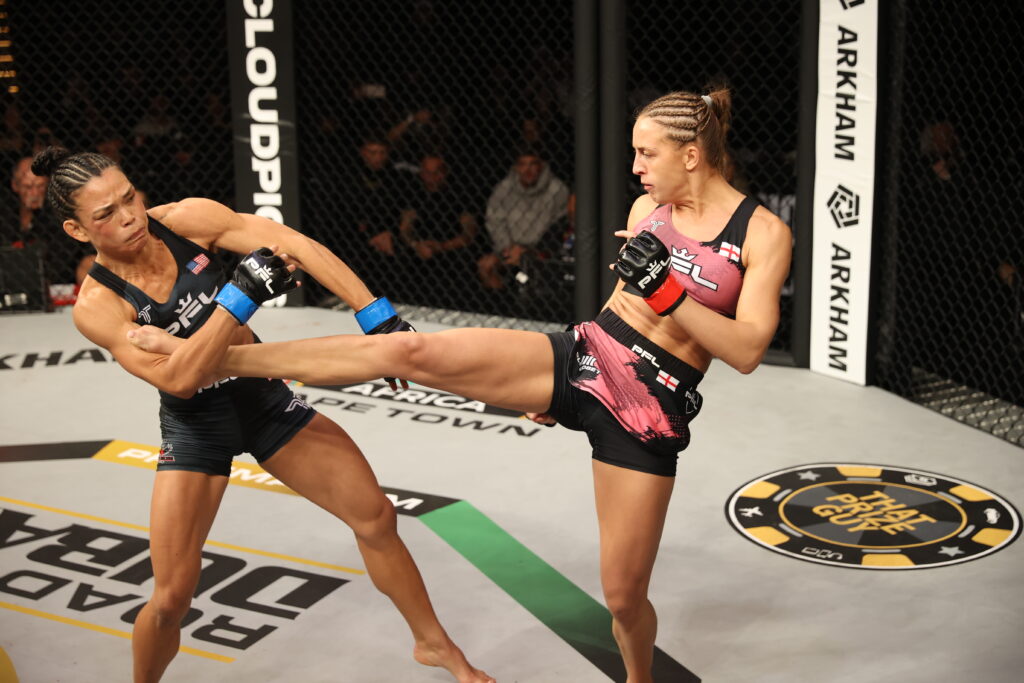
A major part of that growth, he said, comes from how PFL handles local representation. “There’s no discount for fighting on the continent,” Schulze said. “The fights are just as good, the entertainment is just as good, the production quality is just as good. It’s just another great venue to fight in.” He argued that African fighters should be able to compete at home, build a following there and still move on to global opportunities when the time is right.
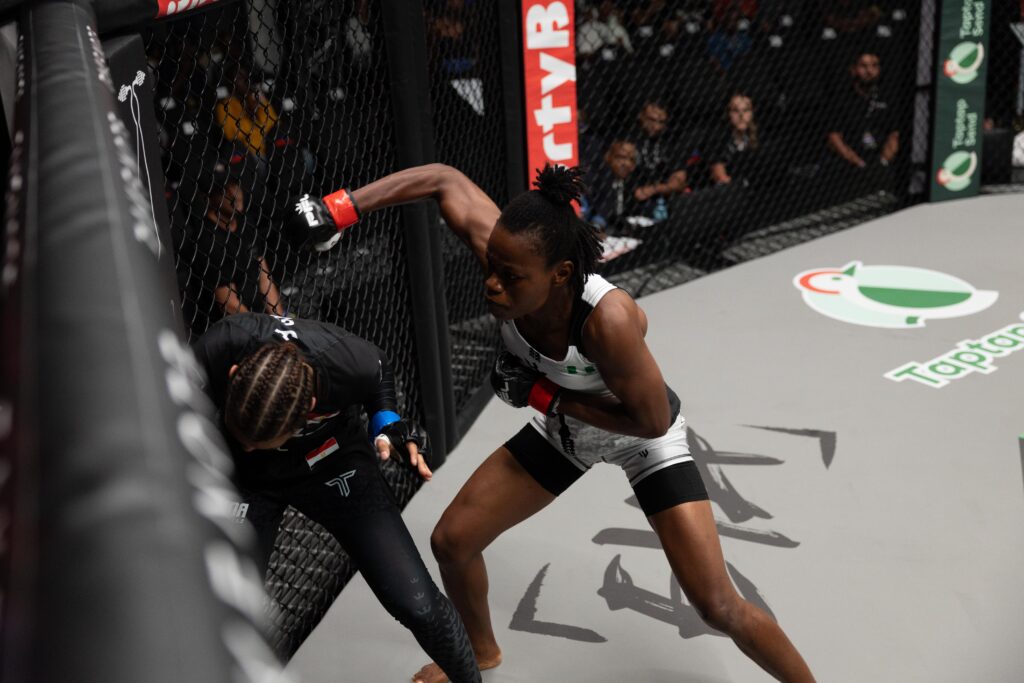
The conversation also turned to women’s MMA. Schulze said he would have liked to see stronger female representation in Rwanda from the start. “I would have preferred to have more female representation even that first fight,” he said. He pointed to Rwanda’s record on women’s empowerment as one reason that could change quickly if PFL returns. “There will be significant female representation,” he said. “That is not in doubt.” He also said Pretoria’s two female bouts set a standard PFL should keep matching going forward.

Logistics
Behind all of it sits a difficult logistics operation. Schulze said PFL Africa uses two five-ton cages built in the United States, each costing around $100,000, because the league runs events across a huge continent and cannot rely on one piece of equipment being in one place for long. “It’s immensely complicated,” he said. “But we’re very proud of that.” He said the scale is part of the reason the show feels polished when it reaches the broadcast.
He also said the production side feeds into the local economy. With roughly 80 to 100 people on the road, hotel use can add up fast. “We have to book them for up to 500 room nights,” he said, adding that this can fill much of a decent midsize hotel. In his view, that level of spending is part of the reason host cities buy into the project. “We believe that’s worthwhile,” he said. “We believe that the fans and the viewers and the broadcasters and the sponsors will learn to appreciate and respect that”.
Schulze closed by saying Rwanda could end up as one of the continent’s main combat sports centers if the right pieces keep falling into place. “I would love to see PFL Africa be able to return to Rwanda on an annual basis,” he said. “Rwanda has the potential and opportunity to be synonymous with world class MMA on the continent.” He said PFL wants to be a partner in that process, helping raise the level of the sport while giving African fighters a place to compete at home.
That is the direction PFL Africa is trying to push in its first phase: build the audience, build the structure and build the talent, all at once. Kigali gave the league a strong starting point, Nigeria now looks like the next major test, and Schulze seems convinced that Rwanda can still be part of the long-term plan.