How Daniel Cormier Turned Olympic Failure into a Hall of Fame Career

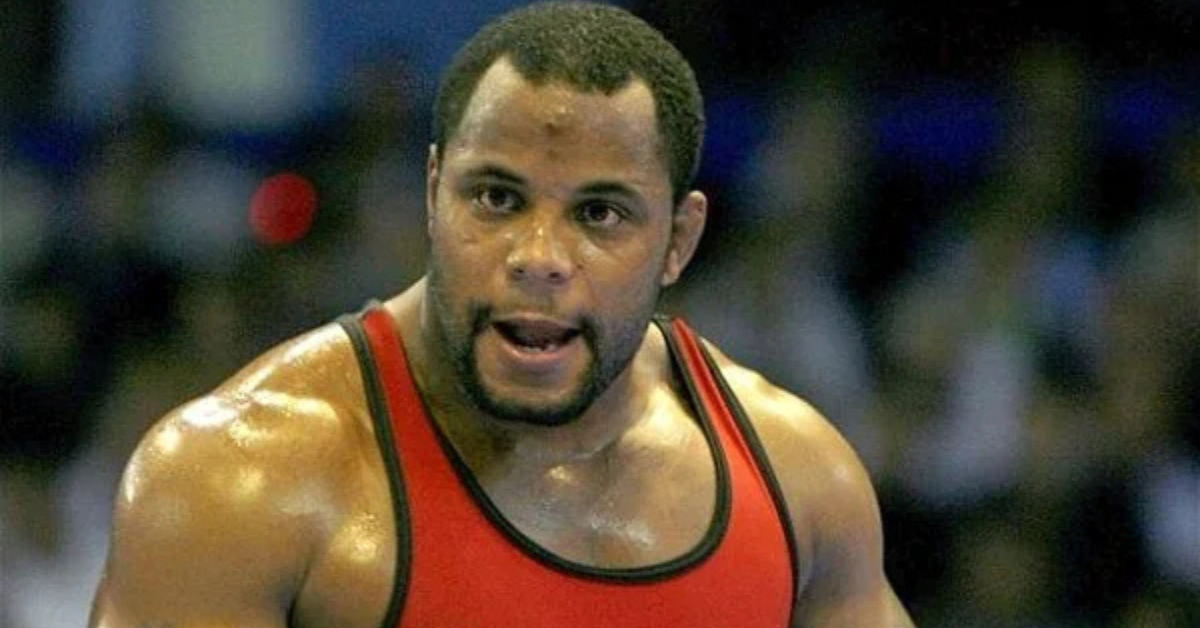
Daniel Cormier’s path from Olympic failure in 2008 to a legendary MMA career is a story of collapse and a decision to rebuild from the bottom. At the Beijing Games, Cormier was the captain of the U.S. Olympic wrestling team, slated to compete in the 96 kg (211.5‑pound) freestyle division, but he never stepped onto the mat. His attempt to make weight triggered a severe physical reaction that left him sidelined and defined the turning point of his athletic life.
Daniel Cormier on Beijing, Being a Pariah and Choosing to Fight Back
“I cut this tremendous amount of weight, but I didn’t know I had underlying issues with my kidneys from all the massive cuts over the years,” Cormier has said. After stepping off the scale, his body “locked up,” and he felt as though he was nearly paralyzed; his kidneys reacted to the years of dehydration in a way that broke down his ability to recover. Doctors in Beijing advised him to withdraw from competition, and when he was given IV fluids, he was officially eliminated from the Olympic Games. He later described the moment with blunt clarity: “I was the guy that went to the Olympics and didn’t wrestle.”
The fallout was immediate. Cormier has acknowledged that his weight‑cut disciplines were “self‑inflicted,” and that he had allowed himself to drift into a pattern of cutting recklessly instead of preparing properly. “Be responsible. Hold yourself accountable and, in most cases, things work out for you,” he said when reflecting on 2008.
When he returned home, the reception from many in the wrestling community was cold; people who had once held him in high regard were less welcoming, and he has described himself as a “pariah” in that period. “Most people didn’t want me around at that time. I was the guy that went to the Olympic Games and didn’t wrestle,” he said.
Cormier’s fall from captain to pariah did not end his story. Between 2003 and 2008, he had already been a dominant force in American freestyle wrestling, winning multiple U.S. national titles and finishing fourth at the 2004 Athens Olympics. After Beijing, he took a job selling advertising space, shifting from elite athlete to a desk role at age 30, a transition that could easily have written him into sports history as a footnote.
“Most of us would sit with that disappointment and live a quiet life as the guy who used to be an Olympian,” he said.
Instead of staying in that space, Cormier reached out to Dwayne Zinkin, his longtime manager, who had first suggested MMA more than a decade earlier. “Back in 2001 he told me, ‘You should do MMA, I think it’ll be great for you,’ ” Cormier recalled. “I said, ‘I’m going to wrestle, but afterwards maybe.’ In 2009 I called him and he said, ‘I’m going to bring you out to San Jose. There’s a gym, American Kickboxing Academy. We have John Fitch, Josh Koscheck, Cain Velasquez — all wrestlers. When we put you with these guys, you’ll appreciate it.’ ”
Cormier then went to his coach at the time and told him he intended to try MMA. The coach’s response was simple: “You’re going to be amazing at it. You’re a fighter. Go try it.” Cormier said the moment felt like he had been “released into the world” to give it a shot.
Early in his training, he was hurt repeatedly; his nose was broken, and he suffered cuts and bruises from fighters such as Cain Velasquez and Jason “Mayhem” Miller. “I liked it, but I got my nose broken very early. Cain kicked me in the face. Jason ‘Mayhem’ Miller kneed me and gave me a massive cut. I went through it when I first started, but I never stopped,” he said.
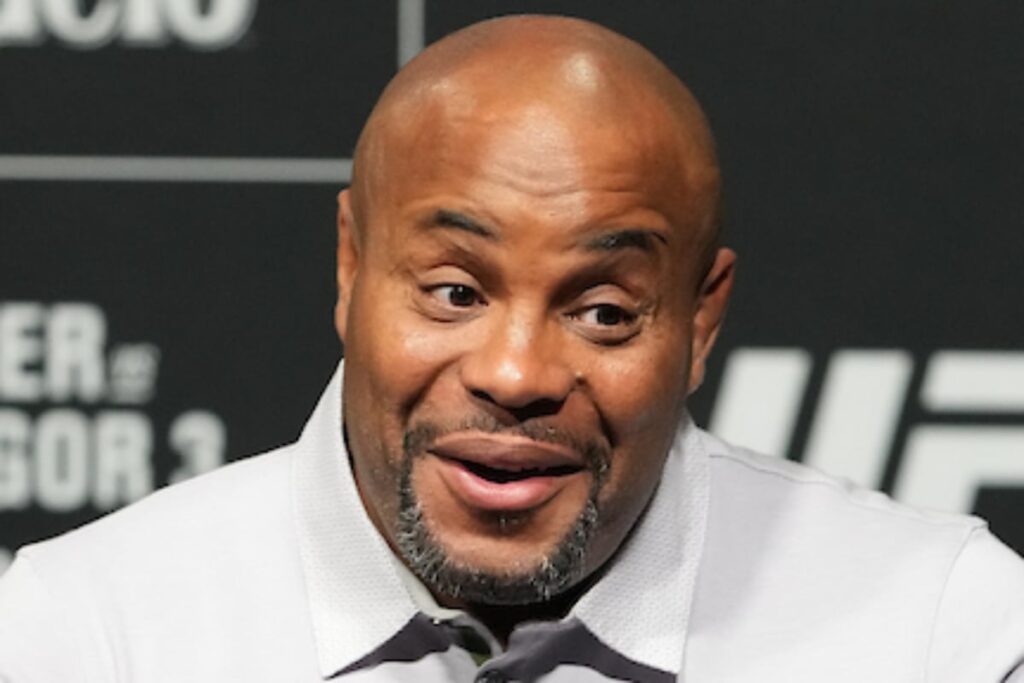
Cormier has framed that persistence as his core gift. From that place of repeated failure, at the Olympics and in his early MMA sessions, he built a UFC career that saw him become a two‑division champion and one of the most recognisable figures in the sport. “I just don’t quit. That’s my gift. I don’t quit.”