Did the Apex Tank the Netflix Deal with the UFC?

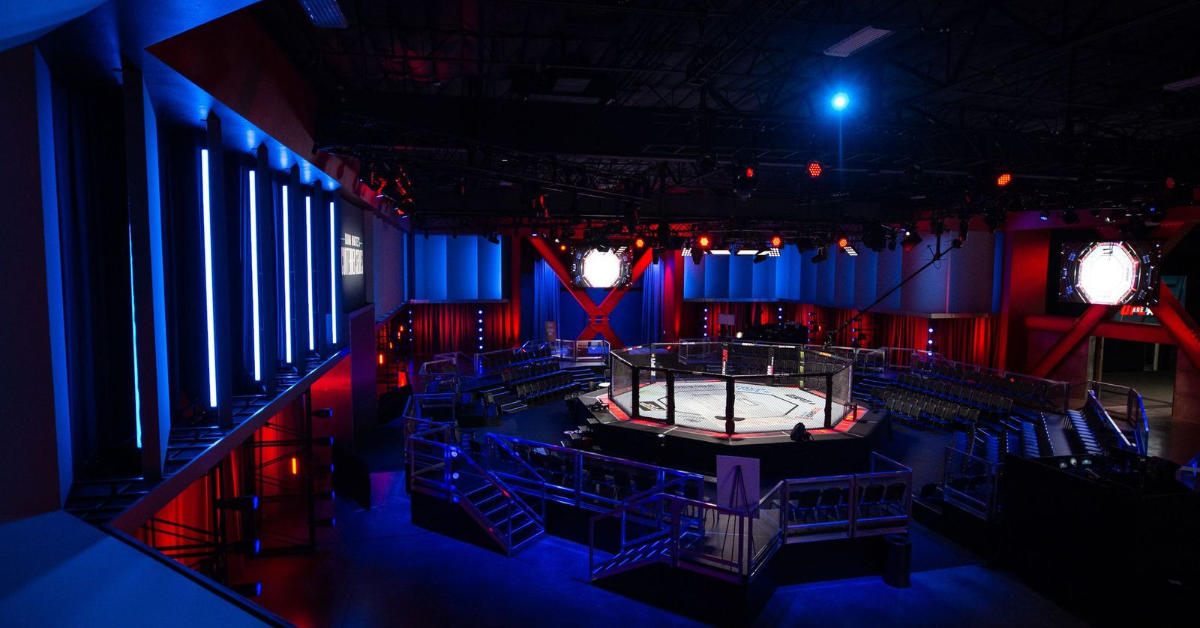
UFC’s recent media rights negotiations took an unexpected turn when Netflix, long considered a front-runner, failed to secure the rights and the promotion instead struck a $7.7 billion deal with Paramount and CBS. At the center of the fallout was Apex and the UFC’s insistence on packaging every numbered pay-per-view with Fight Night cards conflicted with Netflix’s more limited vision.
Netflix and the UFC
Mark Shapiro, president of UFC’s parent company TKO, explained the crux of the disagreement in an interview on The Varsity. “There was one moment of disappointment. And that was when we were getting pretty close with Netflix, frankly, and they kind of stood by the fact that they didn’t want to have the volume,” Shapiro said.
Netflix executives Ted Sarandos and Bela Bajaria had made clear they would stream UFC’s monthly pay-per-view events behind their paywall, but they were not interested in carrying the lower-profile Fight Night cards. “Over the course of conversations, they really didn’t come off of that,” Shapiro added, “and that’s what opened the door for Paramount and CBS.”
The reason Netflix balked is clear: the streamer already licenses WWE Raw, and it was content-rich enough for their strategy. Adding only UFC’s marquee events fit their model of high-spectacle programming. Shapiro noted that Netflix’s interest has since shifted entirely to “big spectacles,” such as the recent Terence Crawford vs. Canelo Álvarez boxing event they streamed. By contrast, Apex’s mandate was to maximize the overall value of the deal for TKO, which meant insisting on including Fight Night events that Netflix viewed as lower priority.
MMA journalist Mitch “@MigClass” Class tweeted, “Netflix didn’t want the apex slop.”
Ben Fowlkes added, “If you don’t love me at my Apex Fight Night, you don’t deserve me at my T-Mobile PPV.”
Looking ahead, Shapiro hinted at future collaborations: “We’ll do business in different ways going forward. Netflix has shown interest in our spectacles.”
The UFC Apex
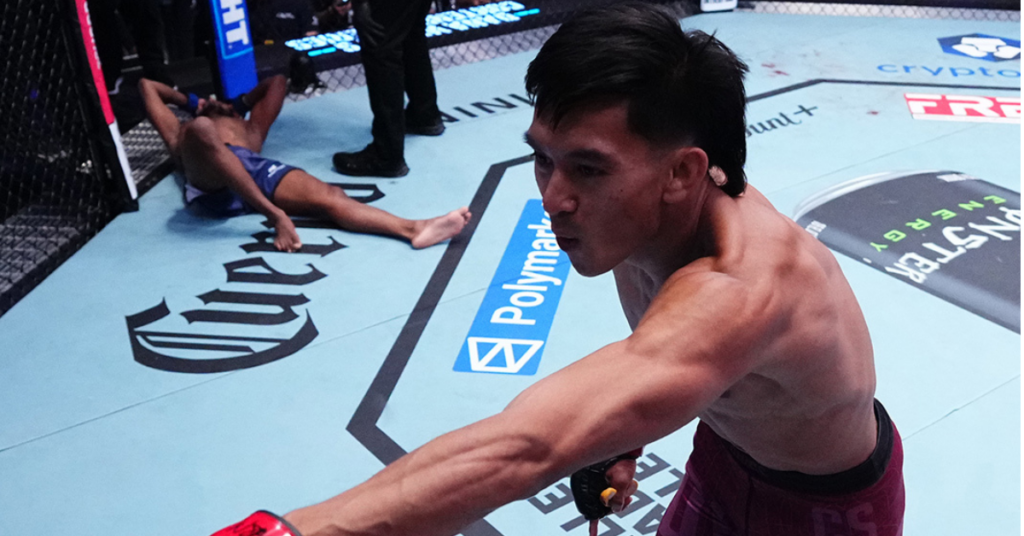
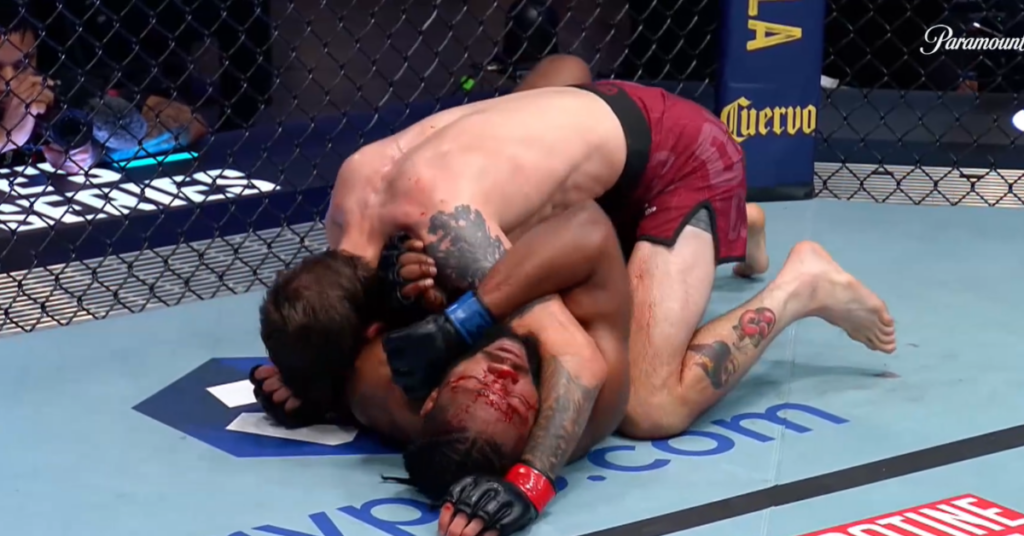
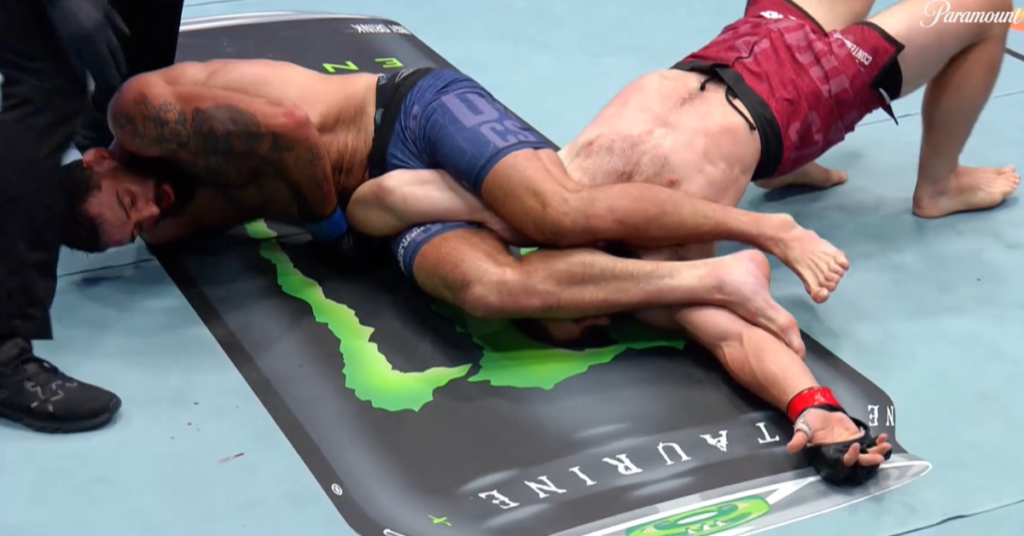
Most fan commentary on the UFC Apex, which seats 500-1000 spectators, has been sharply critical of the atmosphere and presentation, though some appreciate its convenience.
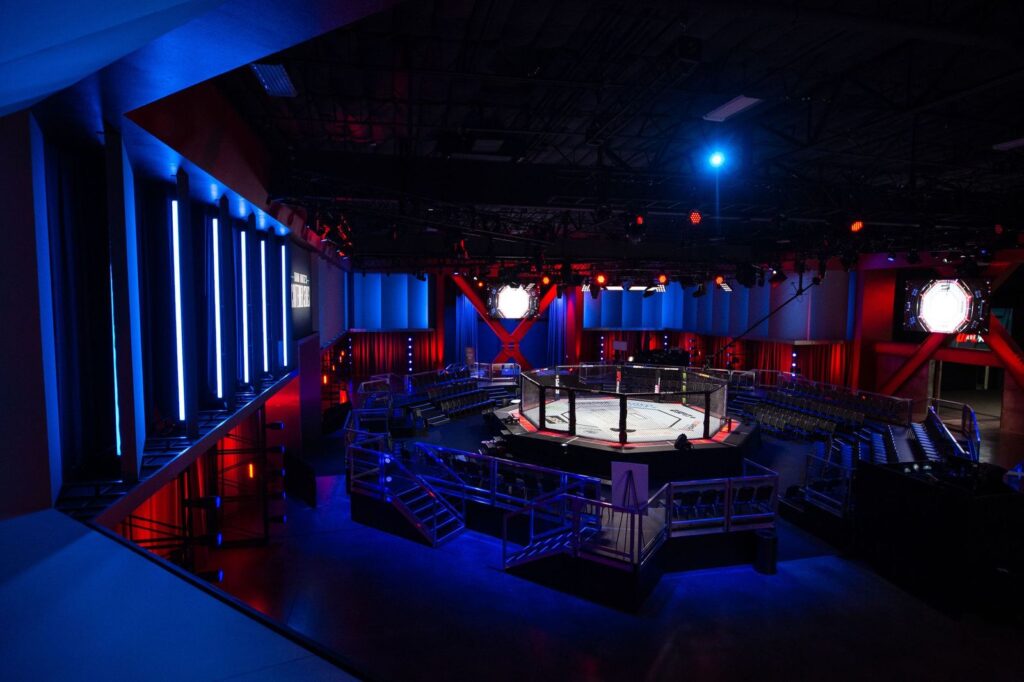
Many observers describe Apex events as “soulless””and “boring.” After UFC Vegas 104, fans complained that without a crowd, even strong performances feel muted. Ariel Helwani summed it up on his YouTube channel: “When we talk about the events feeling soulless, feeling empty, lacking buzz… we’re talking about the venue, we’re talking about the production, we’re talking about how it comes across on television.
When the COVID-19 pandemic halted large gatherings, the Apex’s closed-door environment allowed UFC to resume events safely and maintain its broadcast schedule, effectively serving as the promotion’s “liferaft” through global shutdowns. Its proximity to headquarters also cut travel, logistical costs, and turnaround times for weigh-ins, media obligations, and fight operations, while establishing a blueprint for other sports’ centralized production hubs. Since the pandemic has ended, the UFC Apex events have not.
A smaller number of attendees and fighters praise Apex’s intimate feel and production efficiency. They highlight the up-close sight lines, the ease of movement, free food and drink in premium seating, and a controlled production environment that minimizes travel and logistical headaches. One YouTube vlogger called the convenience “Top-notch,” noting that “you’ll have the best view” and “food and drinks are all included” with VIP experiences at Apex.
The UFC Apex is currently under renovation and will have a state-of-the-art facility next year which will seat thousands. The venue has already hosted UFC, grappling, WWE, and skateboarding events. They are looking to expand into concerts and potentially boxing. Potentially, the new UFC Apex could become a pillar, a cultural touchstone, of combat sports.