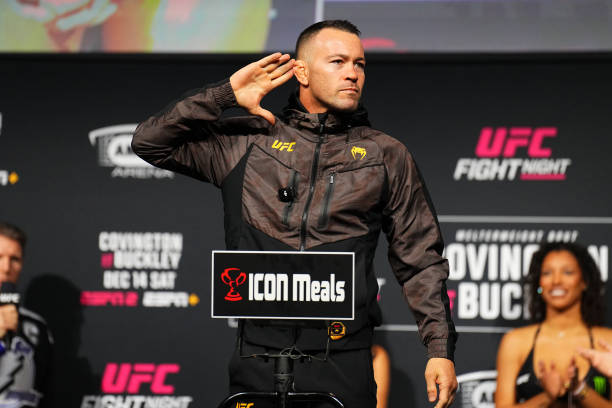
Colby Covington Blasts UFC: Claims Fighters are “Forced” Into Bad Bouts and “Frozen” if They Refuse

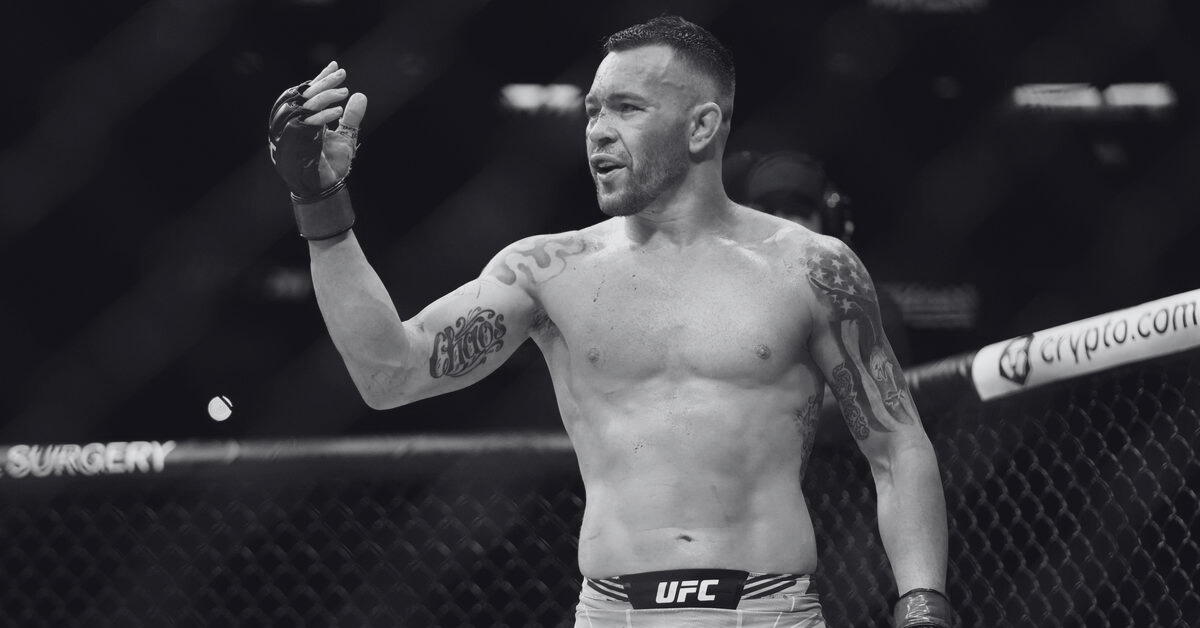
Colby Covington has launched one of his strongest attacks yet on the UFC, accusing the promotion of forcing fighters into unfavorable matchups, freezing them if they push back, and offering limited financial protections despite the dangers of the sport. His latest comments came after he was left off the upcoming White House card, a snub that appears to have pushed long‑simmering frustrations into the open.
White House snub lights the fuse
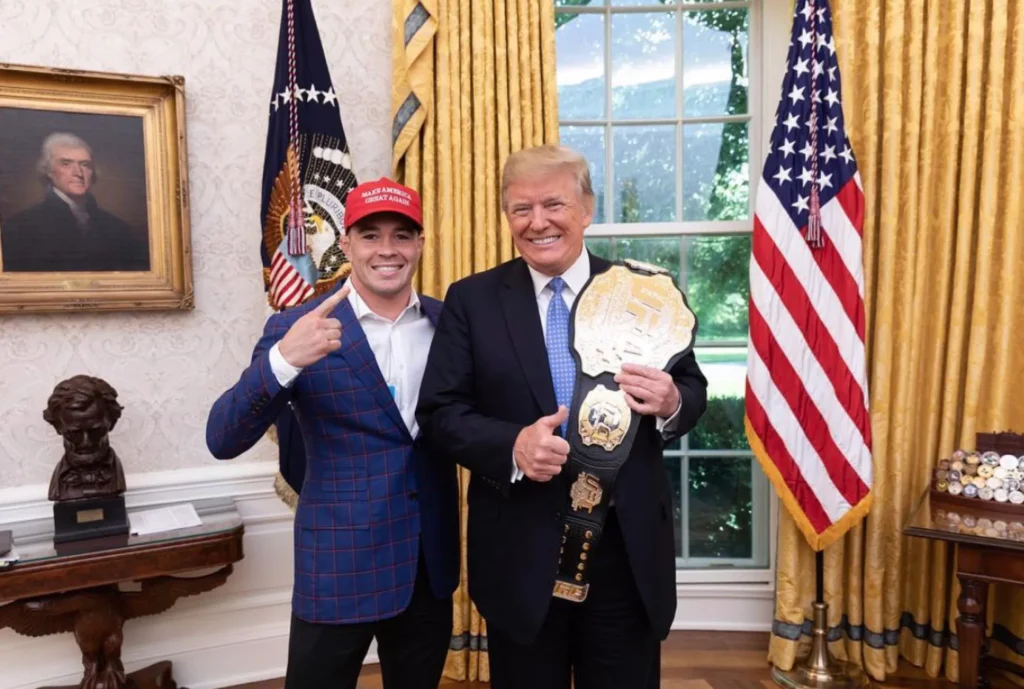
Covington has long tied his public identity to his support for Donald Trump, famously bringing his interim welterweight belt to the Oval Office in 2018 and referring to Trump as his “hero.” When the UFC finally unveiled the historic UFC Freedom 250 event on the South Lawn of the White House, Covington expected to be on the card and says he repeatedly asked to fight “anybody on God’s green Earth” just to compete in front of Trump.
Instead, the June 14 lineup features Justin Gaethje vs. Ilia Topuria in the headliner, with six American fighters on the bill but no slot for Covington despite his long‑public loyalty to Trump and UFC president Dana White. He publicly labeled the White House lineup “piss‑poor at best” and accused the promotion of alienating its core fan base with a card he claims falls short of earlier talk of “six or seven” title fights.
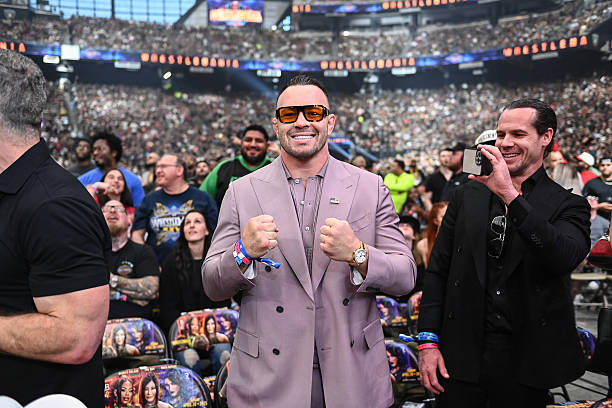
Colby Covington Claim: UFC forces “bad fights” and freezes refusers
In a recent appearance on streamer N3on’s channel and in other media hits, Covington alleged that the UFC’s real leverage comes from how it handles matchmaking and fighter activity. He says that when UFC executive Hunter Campbell presents a bout, the fighter has little real say in the matter because declining can mean being shelved for months.
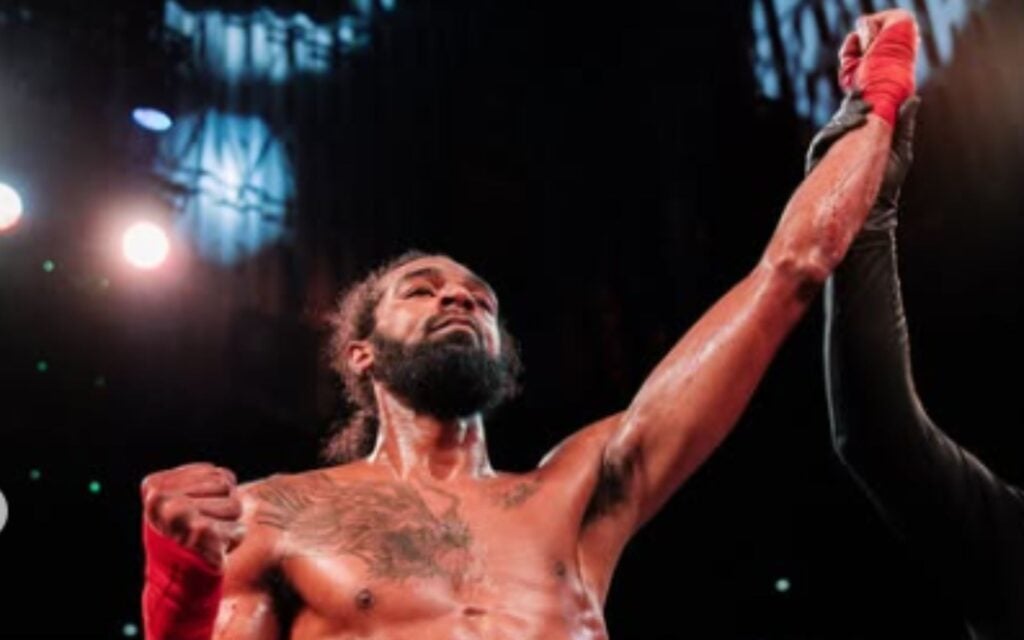
“You don’t get a choice… they will freeze you out if you don’t take their fights” was how Covington framed it, describing a system where athletes are “forced to take what they give you, even if it’s not a good move for your career, or they’ll ice you.” He pointed to lightweight contender Arman Tsarukyan as someone he believes is currently dealing with that dynamic, arguing that saying “no” to a matchup can lead to a long stretch of inactivity with no pay.
Multiple fighters over the years have accused the promotion of using exclusive deals and discretionary matchmaking to keep athletes in line. The UFC has not issued a detailed public rebuttal to Covington’s latest specific claims about freezing and Hunter Campbell’s role, but the organization has consistently maintained in past labor disputes that its contracts are standard for elite sports and that fighters can refuse bouts, even if doing so delays their return.
“I had to do this”: Colby defends his persona
Another key piece of Covington’s rant is his explanation of why he leaned so heavily into a polarizing, politically charged character in the first place. He told N3on and other outlets that many fans misunderstand his behavior, saying that the trash talk and over‑the‑top patriot gimmick were strategic tools to sell fights and climb out of what he portrays as a low‑pay bracket inside the promotion.
“They just don’t understand that I had to do this to sell my work and to get people to watch me fight, so the UFC would notice me and give me a better contract,” he said, framing the persona as a survival tactic in a crowded roster where quiet performers risk being overlooked. This explanation aligns with past interviews in which Covington claimed he was on the verge of being cut despite winning, only securing his spot after adopting a louder public approach.
Contracts, risk, and “if you die” waivers
Covington also zeroed in on what he describes as the stark legal reality of stepping into the Octagon. He claimed that shortly after fighters weigh in, they are presented with paperwork specifying that if they die in the cage the next night, their families cannot sue the UFC.
“First thing you do after you weigh in, you sign a contract that says, ‘Hey, if you die in the UFC octagon tomorrow, your family cannot sue us,’” Covington said while recounting the process on stream. While combat sports promotions typically rely on liability waivers, regulatory oversight, and insurance to manage risk, Covington’s account shows the stark language can feel for fighters who are already dealing with weight cuts, medicals, and the mental pressure of a high‑stakes bout.
No royalties from the UFC video game
On the financial side, Covington claimed that UFC fighters do not receive any royalties from the official UFC video game despite their names, likenesses, and highlight animations being used as selling points. This allegation mirrors earlier complaints from fighters under previous iterations of the EA Sports UFC franchise, where athletes described one‑time licensing payments rather than ongoing revenue shares.
Covington framed the lack of royalties as one example of an economic structure where the promotion and its partners capture most of the long‑tail value from intellectual property, while fighters negotiate bout‑to‑bout purses without participating in ancillary revenue streams. The UFC has historically defended its model by pointing to guaranteed exposure, performance bonuses, and tiered contracts that increase with wins and rankings, but it has not detailed individual revenue splits for projects like video games.
White House card: Islam vs. Topuria dispute
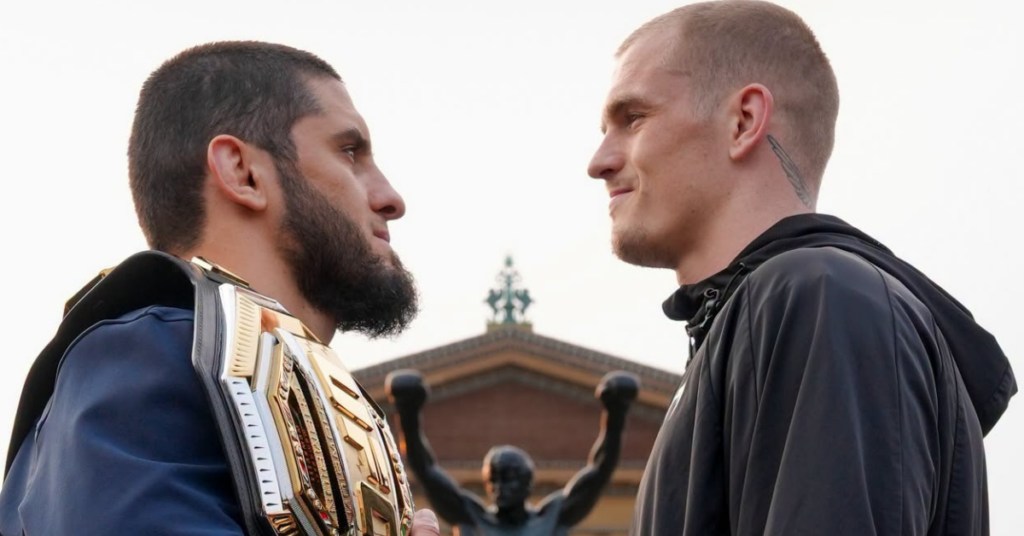
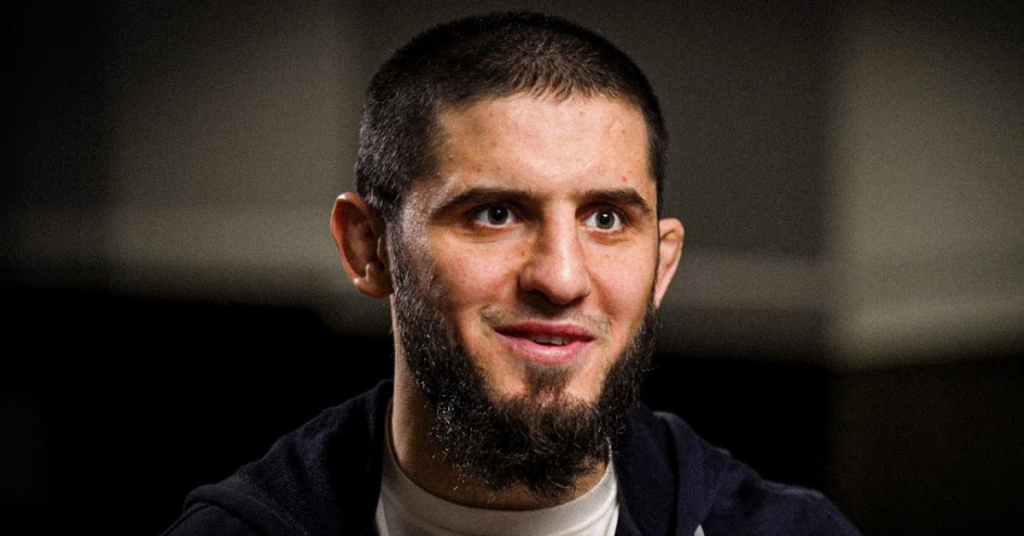
Covington added a new twist to the debate around the White House card by claiming that an Islam Makhachev vs. Ilia Topuria superfight was originally targeted for the event before falling apart over money. According to Covington’s account as circulated by MMA aggregator pages, he “heard” that Makhachev priced himself out by asking for too much, which he says caused the bout to collapse at the last minute after the UFC had already sunk major costs into renting the White House venue.
That version sits in direct tension with public comments from both sides of the rumored matchup. Makhachev, the lightweight champion, has suggested that it was Topuria’s side pushing for more money, while Topuria and his team have argued that Islam pulled back due to injury and financial demands and that they were the party eager to sign. The end result is that, instead of the champion vs. champion matchup, Topuria is now booked to headline the White House card against interim lightweight titleholder Justin Gaethje, with Makhachev remaining on the sidelines.
He claims that because the promotion is paying to stage the event on the South Lawn, it is less willing to meet the asking prices of fighters with established drawing power.
Ongoing freeze‑out and RAF alternative
Beyond the White House card, Covington argues that the UFC has effectively stalled his career for more than a year, with no booked fight and limited clarity on his next step. He has pointed to the promotion allegedly steering him toward a matchup with the winner of Gilbert Burns vs. Mike Malott instead of giving him a marquee spot, a direction he views as a step sideways rather than a path back to title contention.
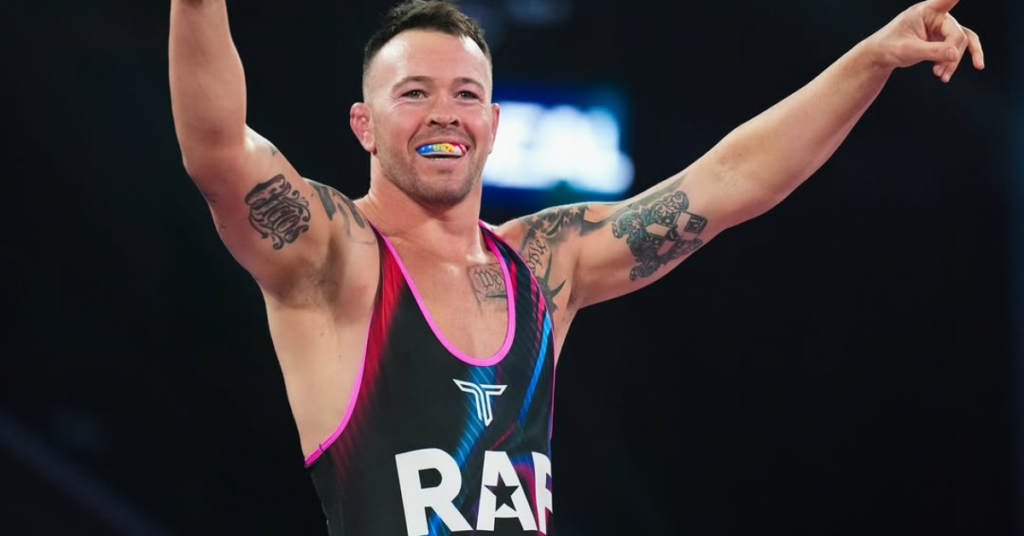
In the meantime, Covington has turned to Real American Freestyle wrestling events, including a scheduled appearance against Dillon Danis, as a way to stay active and earn while remaining under UFC contract. He contrasts what he calls more flexible treatment from RAF promoters with what he sees as restrictive UFC control, using that contrast to sharpen his criticism of how the MMA industry’s market leader handles its roster.
Taken together, Covington’s latest outburst blends personal frustration over a missed White House moment with a wider indictment of UFC contracts, matchmaking leverage, and revenue distribution. Whether fans view it as a genuine exposé or another chapter in his long‑running performance, the specifics he raised about fighter choice, legal risk, and money will fuel ongoing debates about how the sport’s biggest promotion treats the athletes who keep it moving.