The Best Shoulder Workout Exercises According to Science – The Only List You’ll Need

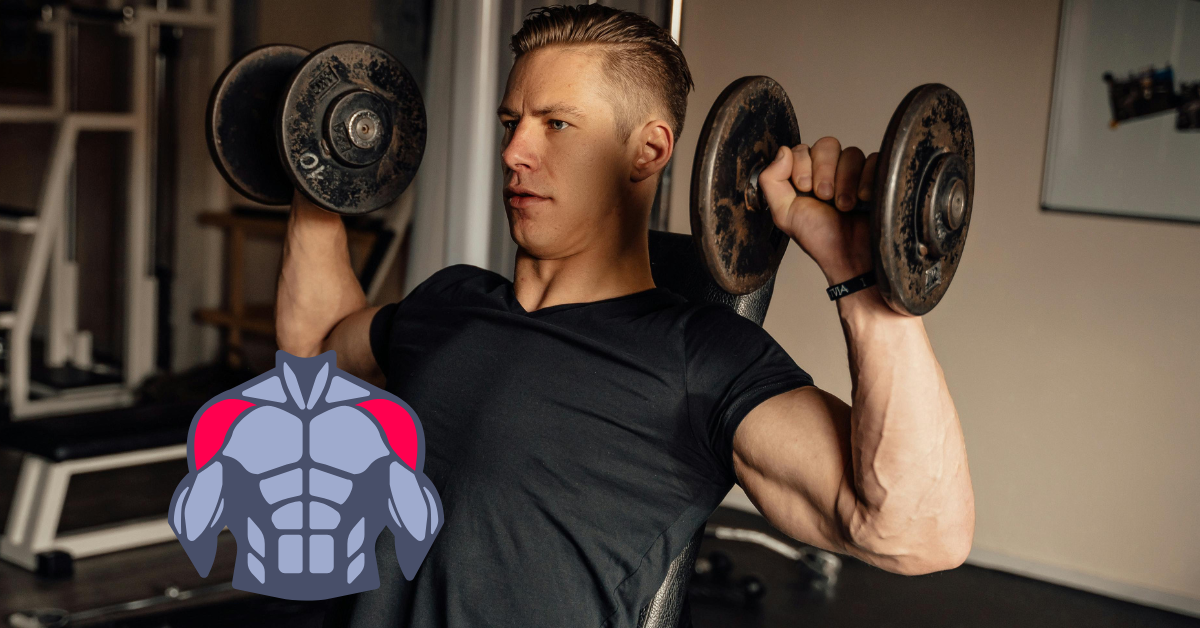
The science has spoken, and shoulder workouts now have official rankings. Jeff Nippard, a respected natural pro bodybuilder and powerlifter with a background in biochemistry, released a comprehensive tier list ranking 20 popular shoulder exercises by their muscle-building potential. This is an academic evaluation.
His evaluation criteria included tension applied during the stretch position, comfort (absence of shoulder pain), a smooth resistance profile, and the ability to progressively overload over time. His analysis provides a valuable resource for anyone looking to optimize their shoulders workout with effective shoulder exercises.
Best shoulder workouts according to Science
Nippard emphasizes that the shoulder muscles, or deltoids, consist of three heads: anterior (front), lateral (side), and posterior (rear). Each head requires targeted exercise for balanced muscle development. Since the front delts often receive sufficient stimulus from pressing movements in other training, his list tends to favor exercises emphasizing the lateral and rear heads.
shoulder exercises Tier List
S Tier (My Favorite. Do them if you can)
- Cable Lateral Raise
- Cable Y-Raise
- Behind-The-Back Cuffed Lateral Raise
- Reverse Pec Deck
- Machine Shoulder Press (also #1 for front delts)
A Tier (Strongly recommend)
- Seated Dumbbell Shoulder Press
- Lean-In Dumbbell Lateral Raise
- Lean-Away Dumbbell Lateral Raise
- Upright Row (with cables and rope)
- Reverse Cable Crossover
- Rope Facepull
B Tier (I still do these in certain contexts. There may be better options)
- Standing Dumbbell Lateral Raise
- Super ROM Lateral Raise
- Barbell Overhead Press (Standing)
- Seated Overhead Press (Barbell)
- Dumbbell Overhead Press (Seated or Standing)
- Seated Machine Lateral Raise
- Bent Over Reverse Dumbbell Flye
C Tier (There are better options for most people. Can still have value in some contexts)
- Banded Lateral Raise
D Tier (Probably not a great option for most people)
- Front Raises (Dumbbell, Cable or Machine)
- Arnold Style Side Lying Dumbbell Raise
At the top of the list, the single-arm cable lateral raise earned the title of best shoulder exercise (S-plus tier). This exercise provides high tension on the lateral deltoids during their most stretched position, which is key for muscle growth. It also feels good to perform and allows for easy progression. Cable lateral raises lead the pack because many other lateral raise variations fail to maintain tension in the vulnerable stretched position of the muscles.
Other S-tier exercises include variations of lateral raises with cables, such as the cable Y-raise and the behind-the-back cuffed lateral raise, as well as the rear-delt focused reverse pec deck. These exercises provide excellent tension and stretch, essential for stimulating the shoulder muscles, especially the lateral and posterior heads.

Shoulder Training Applications
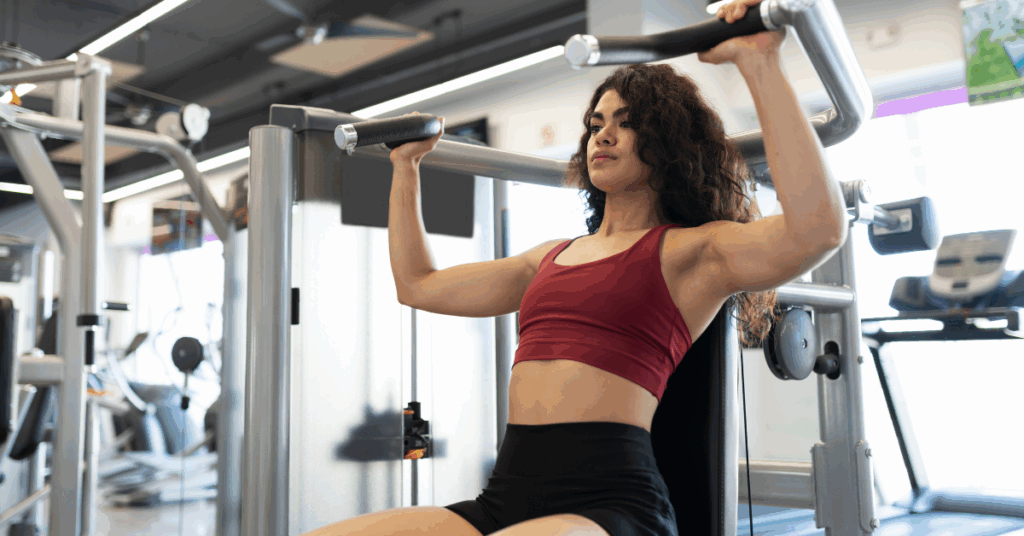
In the pressing category, the machine shoulder press receives high marks (A-tier plus) for its consistent stretch and tension on the front delts plus its stability, allowing trainees to push to muscle failure safely. The seated dumbbell shoulder press is also highly recommended (A-tier). While the traditional overhead press ranks lower (B-tier plus) because it is heavily anterior delt dominant and requires whole-body stability that may detract from shoulder isolation, switching to dumbbells from a barbell increases range of motion and lateral delt involvement, improving its effectiveness.
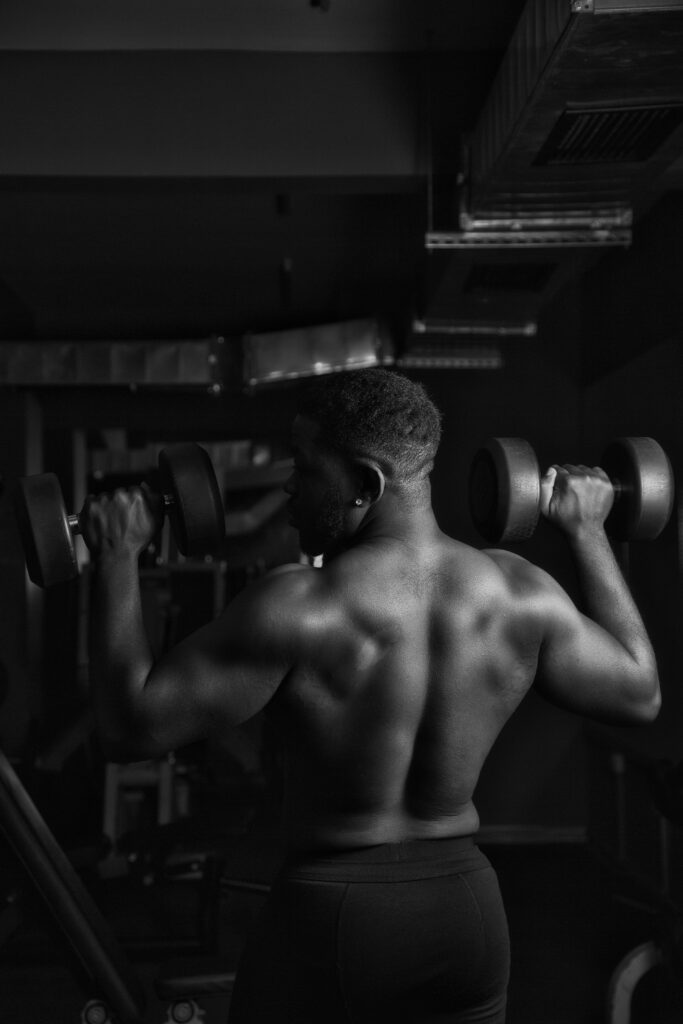
Dumbbell lateral raises, one of the most popular shoulder workouts worldwide, fall into the B-tier. Although time efficient and effective for building the lateral deltoid, they do not place tension at the muscles’ stretched position and peak tension only occurs at 90 degrees when the delts are shortened, which is suboptimal for hypertrophy.
At the lower end of Nippard’s spectrum, front raises are rated D-tier for most people, mainly because they are redundant – front delts already get substantial work from pressing exercises—and have a less effective resistance curve. Resistance band lateral raises rate C-tier due to lack of tension at stretch and inferior resistance profile compared to dumbbells, cables, or machines.
This organized list can help you design a balanced shoulders workout targeting all three heads of the shoulder muscles for better hypertrophy results.

Jeff Nippard – Expert Authority and Methodology
Jeff Nippard is a Canadian professional natural bodybuilder, powerlifter, coach, and science communicator with a strong foundation in exercise science. He holds a Bachelor of Science degree in biochemistry, which he combines with his extensive practical experience in bodybuilding and powerlifting to provide evidence-based fitness guidance.
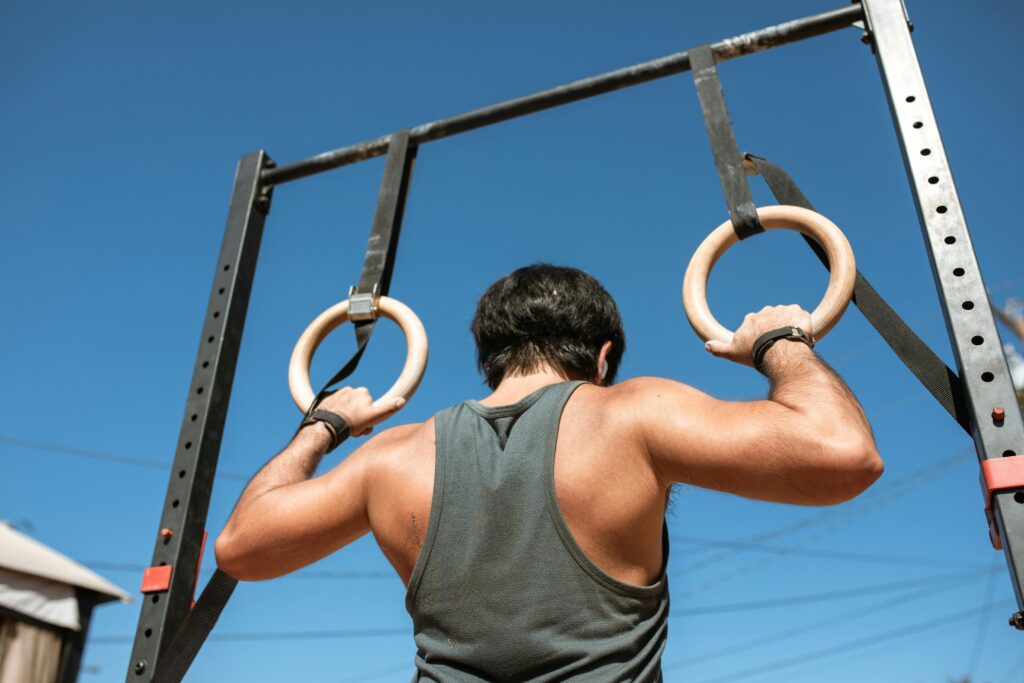
Jeff Nippard’s tier list serves as a guide for building an effective shoulders workout that targets all three heads of the shoulder muscles and emphasizes exercises that combine comfort, tension, and progression potential. For example, pairing the reverse pec deck for rear delts with seated dumbbell shoulder press for front delts and cable lateral raises for side delts forms a balanced workout recommended for muscle growth.