Exclusive | Bareknuckle Champion Mark Irwin Recalls Winning World Title on Seven Grams of Mushrooms

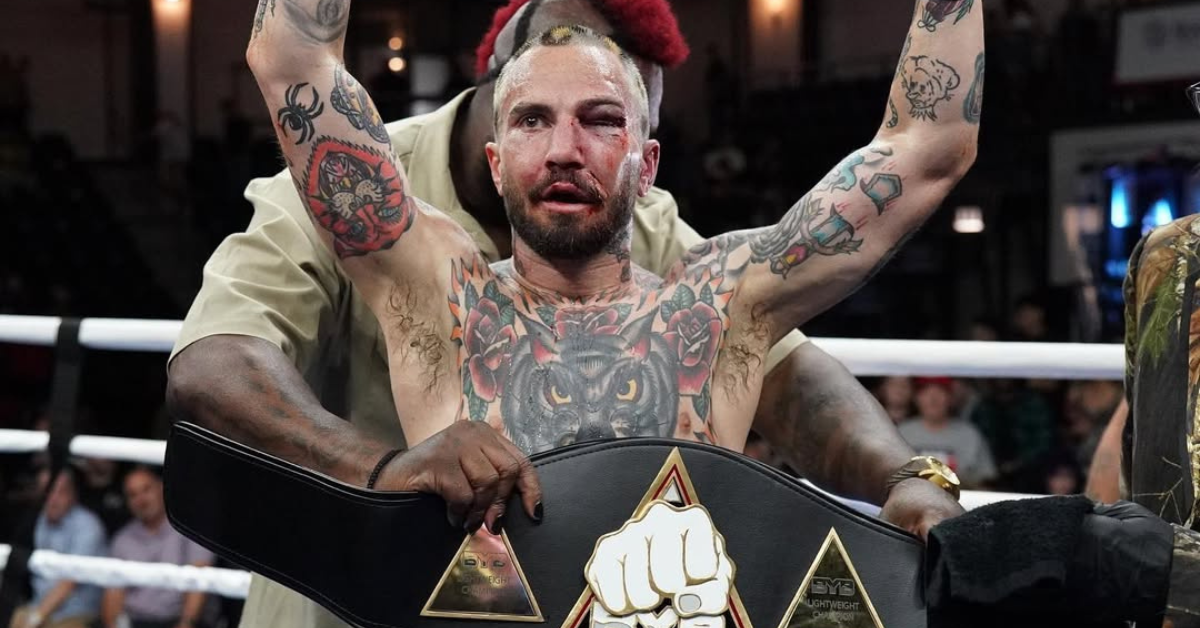
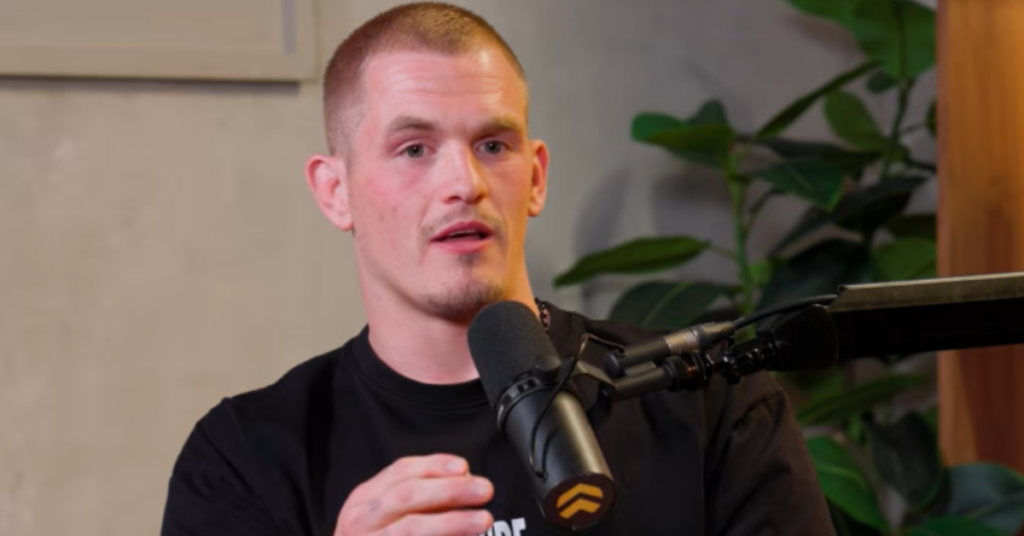
Having covered mixed martial arts for more than 15 years, I have seen my fair share of wild characters and heard plenty of wild stories. Fittingly, I actually met Mark ‘the Shark’ Irwin at Fight Circus in Las Vegas, where he was competing in beer boxing. He has had a storied career full of fascinating tales, but none more extraordinary than winning a world bareknuckle boxing title on seven grams of mushrooms.
It does not really get more wild than that, and needless to say, I was hanging on his every word. Irwin is not sharing this for shock value alone. He genuinely believes in the short-term and long-term benefits of psilocybin for fighters, both for performance and recovery, and he had some very interesting things to say.
Speaking openly to LowKick, Irwin revealed psychedelics were part of his preparation throughout his professional career. He began with microdoses during his early bouts as a boxer and gradually increased the amount as he moved into bareknuckle competition.
Bareknuckle Champion Mark Irwin Recalls Winning World Title on Seven Grams of Mushrooms
“By the time I won the world title at BKB against Joshua Oxendine, I had taken seven grams that day,” Irwin told LowKick. “I didn’t take it all at once. I used one-gram gummies every hour or two from the time I woke up.”
Irwin believes psilocybin helped him stay calm under pressure and process information faster in the ring. He said it reduced fear and anxiety, sharpened his perception, and helped him enter a flow state during fights.
“You feel calm. You feel confident. You feel locked in,” he said. “It helps you think and react at a higher level.”
He also credited psychedelics with increasing his pain tolerance and endurance. Irwin pointed to a brutal bareknuckle fight that went six three-minute rounds at altitude, where he broke his nose and jaw and suffered severe swelling but continued to push forward.
“I took a lot of damage in those fights,” he said. “I believe the psychedelics helped me keep going.”
Psilocybin is not listed as a banned substance by athletic commissions, which meant Irwin did not violate any rules. After Irwin and those around him spoke publicly about his psychedelic use, clips went viral. His opponents contacted athletic commissions and demanded action, but officials ruled that no regulations had been broken.
Irwin admitted that seven grams may have been excessive. He said his vision began to distort at higher doses and would not recommend that approach to others. Still, he insists the mental benefits were real.
Today, Irwin’s relationship with psychedelics has shifted from performance to recovery. After years of punishment in the ring, he suffered multiple traumatic brain injuries. That experience led him into research and advocacy work.
Irwin works with former UFC fighter Ian McCall on a non-profit organisation named Athletes Journey Home. The group focuses on treating traumatic brain injuries, PTSD, and addiction in retired athletes using alternative therapies, including psilocybin and ibogaine.
Irwin said the organisation takes fighters to supervised retreats in Mexico and Colombia, where participants undergo brain scans, blood tests, and gut biome analysis before and after treatment. The goal is to collect data and measure neurological changes.
He described one former fighter with Parkinson’s-like symptoms who reportedly saw dramatic improvement after ibogaine therapy. Doctors had told the fighter there was nothing they could do. After treatment, Irwin claims the symptoms disappeared, although the data has yet to be publicly released.
Combat sports, Irwin argues, lag behind major leagues when it comes to concussion protocols and athlete welfare. Fighters often hide injuries to stay active, while fans continue to reward knockouts and viral moments.
“In this sport, we pretend we’re not hurt,” Irwin told LowKick. “Data doesn’t lie. Fighters do.”
Irwin believes technology and medical research are the future of combat sports safety. He wants fighters to have access to real recovery tools rather than relying on old-school bravado.
As for his fighting career, Irwin says it is winding down. He is shifting his focus toward research, recovery methods, and advocacy. He hopes to destigmatise psychedelics and push for broader acceptance in medical and athletic communities.
For now, his story stands as one of the strangest in modern fight sports. A bareknuckle champion, a world title, and seven grams of mushrooms on fight day.
Combat sports has seen many extremes. Mark Irwin’s might be one of the most unforgettable.