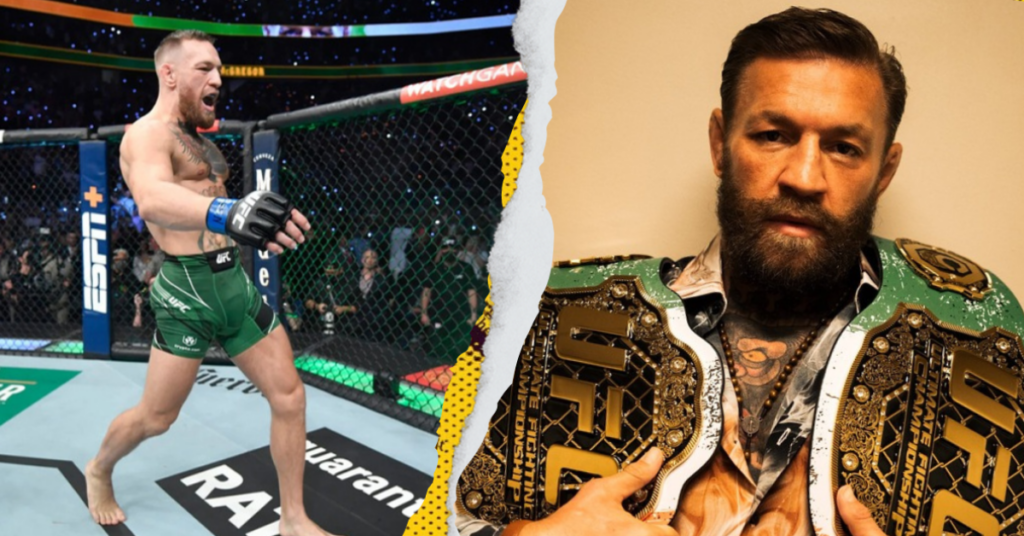
Conor Benn’s $15m Debut Lets Dana White Fire Back at Fighter Pay Critics ‘Everybody Wins’

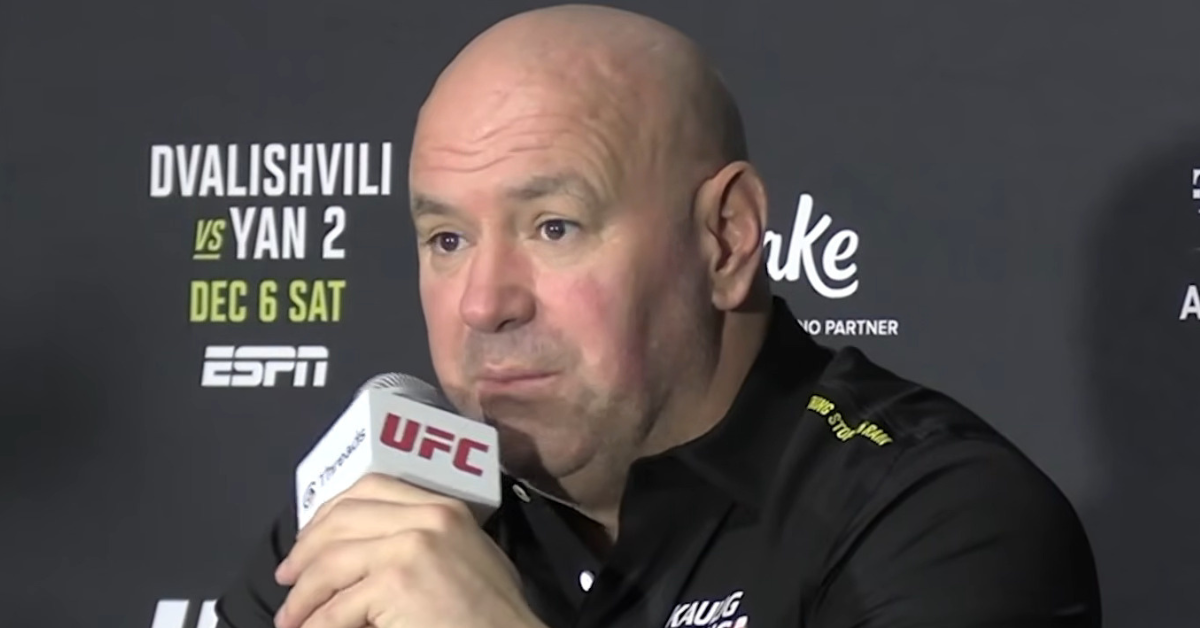
Dana White left Zuffa Boxing 04 talking less about scorecards and more about salaries, using Conor Benn’s reported $15m debut purse as a signal of where he wants his new boxing venture, and the UFC, to go in the Paramount era.
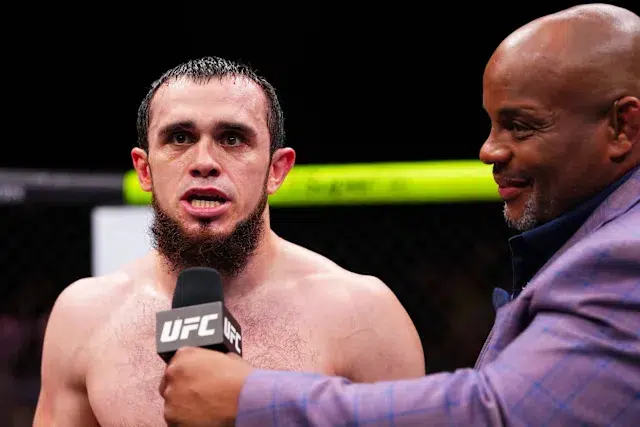
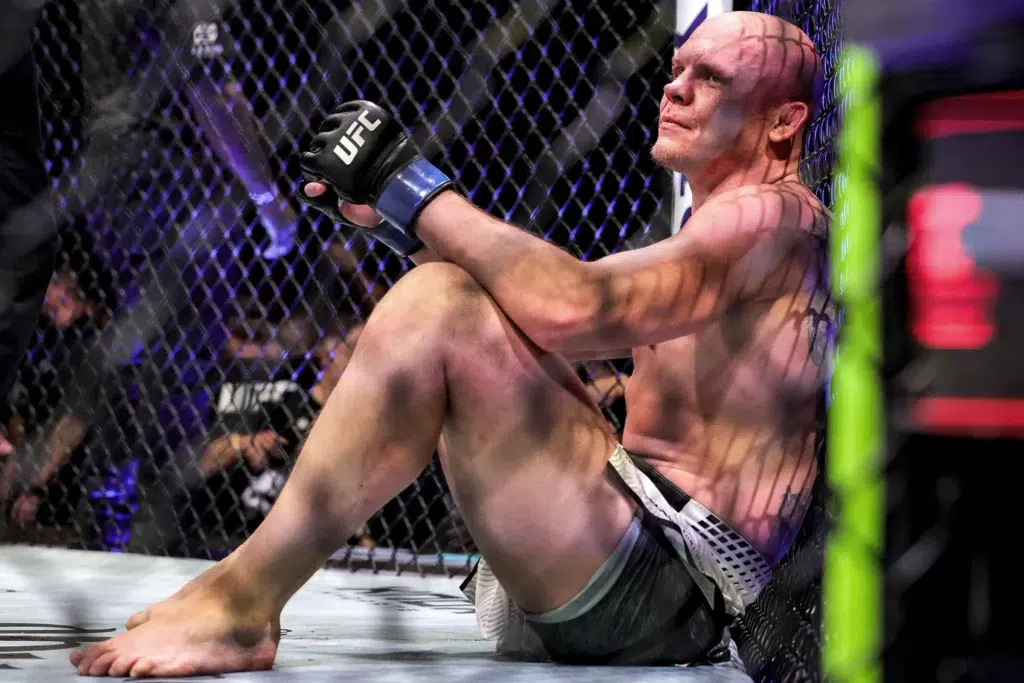
Zuffa Boxing 04 at the Meta APEX in Las Vegas crowned Jai Opetaia as the inaugural Zuffa cruiserweight champion, with the Australian outpointing Brandon Glanton by wide unanimous decision on all three cards, 119-106. It was another strong night for the new brand, which has been built out of the UFC’s Las Vegas hub and pushed heavily on Paramount+ as part of the wider rights play that is about to reshape the promotion’s business.
Dana White Points to Conor Benn’s $15m Contract as Paramount Era Kicks In for Boxing and UFC
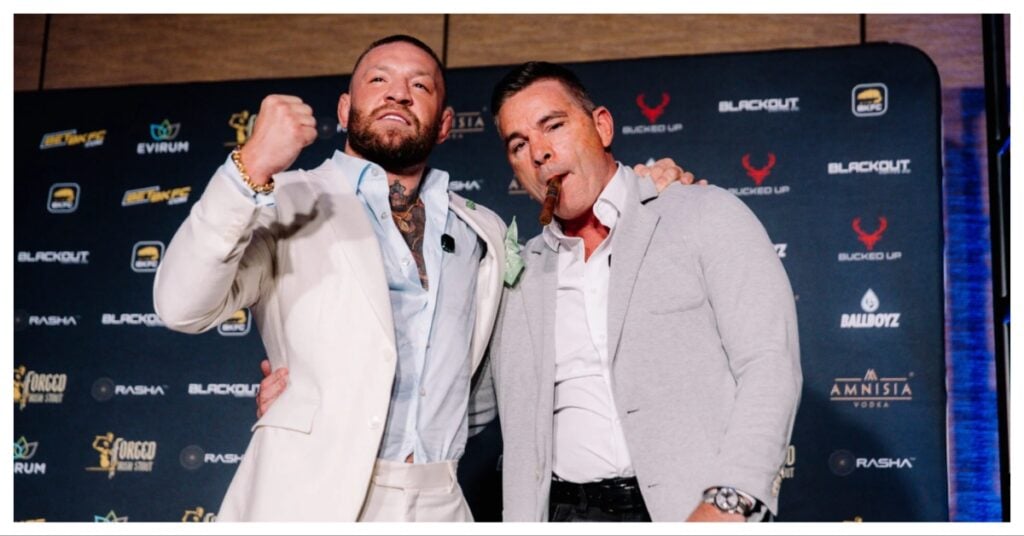
Away from the ring, headlines were dominated by Conor Benn’s decision to leave Matchroom and sign a reported one-fight deal with Dana White and Zuffa Boxing that boxing insider Dan Rafael says is valued at around $15m. The move raised questions about what that kind of purse means in a landscape where even established UFC champions rarely see eight-figure disclosed paydays.
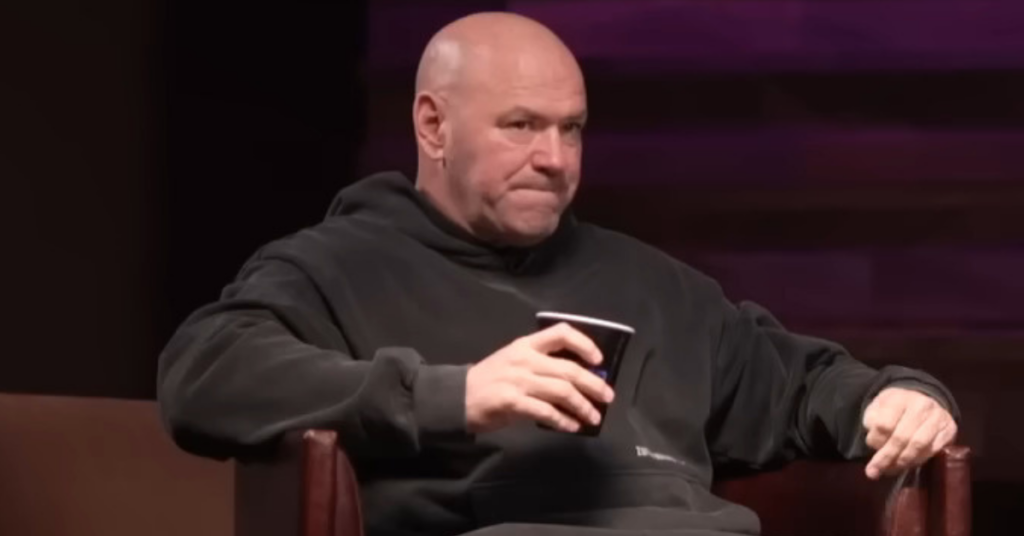
White did not shy away from that topic when he spoke post-fight. He leaned into the idea that Zuffa Boxing, and the Paramount deal behind it, is designed to bring new fans in and, in his view, raise pay across the board.
“Look at what’s happening now. Zuffa Boxing is bringing in a whole new audience. New fans are tuning in, seeing these guys fight for the first time. This is how you build stars – you put them in real fights in front of a big audience, not on some undercard in front of 3,000 people. For years in boxing there was one big favourite and a bunch of guys no one had heard of. We’re changing that. And yeah, when you bring in bigger numbers and more eyeballs, that’s good for the fighters. I’ve said it a million times: as the thing grows, everybody wins.”
For White, that argument now runs straight through the UFC’s long-term partnership with Paramount and CBS, a streaming-first deal reported by outlets at over $7bn across seven years, with an average annual value of roughly $1.1bn and a shift away from the traditional pay-per-view model. He has already promised that standard post-fight bonuses will increase once the Paramount era starts in 2026, describing the jump in extra money available on a single night as amounting to “millions of dollars” across a year.
“Why is it a bad thing when guys make more money? It’s always a good thing when there’s more money in the sport. We just got a great television rights deal, I promise you that fighter pay is gonna be just fine over the next 7 years.” The Benn deal, billed by former UFC champion Demetrious Johnson as “a flex” to show boxing what Zuffa is willing to spend, is the most direct example so far of how White wants to use that new money and exposure in his crossover project.
UFC fighter pay has sat at the center of a long-running argument, which is why Dana White’s comments after Zuffa Boxing 04 landed with extra weight. Critics point out that while UFC revenues have surged past an estimated $1.4bn in 2024 under TKO Group, reports and analyst breakdowns suggest fighters receive somewhere in the mid-teens as a percentage of that total, far below the roughly 50 percent shared in leagues like the NFL and NBA. That gap has fueled the perception that even as White touts record business and promises that “everybody wins” in the Paramount era, the average UFC athlete remains underpaid relative to what the company earns.
A decade-long antitrust case brought by fighters accused Zuffa and the UFC of using restrictive contracts and market dominance to suppress wages, leading to a proposed $375m settlement that won preliminary approval from a Nevada judge in late 2024 and a separate follow-on lawsuit led by Phil Davis in 2025 that alleges continued anticompetitive conduct.
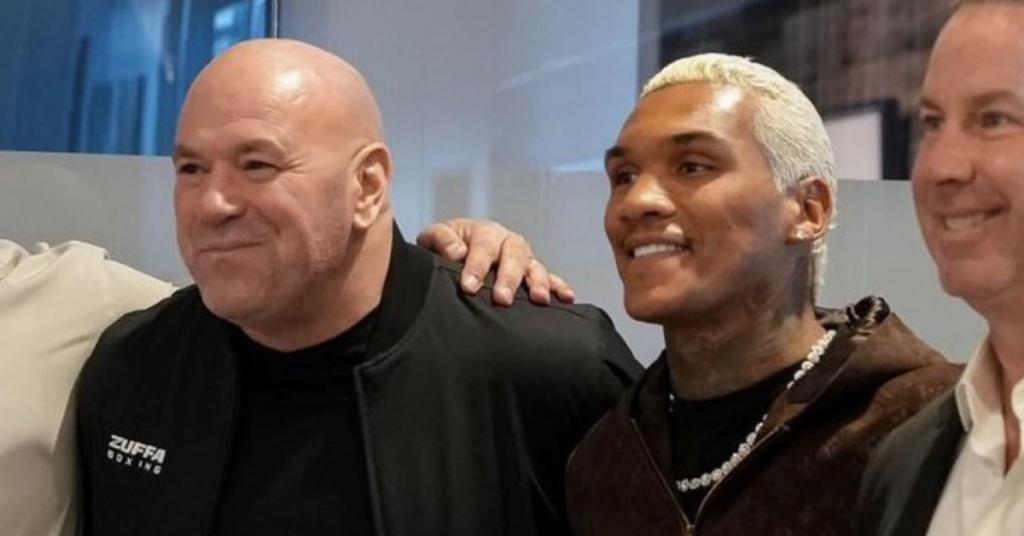
At the same time, White has repeatedly defended the UFC’s structure, telling outlets like GQ and 60 Minutes that fighters are paid “what they’re supposed to get paid” and insisting the $7.7bn Paramount deal will “trickle down” through higher bonuses and improved deals, even as high-profile names like Justin Gaethje publicly question why their pay has not risen in line with the new contract.
Whether that $15m level becomes anything like a norm is another question. Even Johnson has warned that payouts at that scale are unlikely to be sustainable in the long term, especially for fighters who are still rebuilding their name.