Takuma Inoue Defeats Tenshin Nasukawa by Unanimous Decision in WBC Bantamweight Title Bout

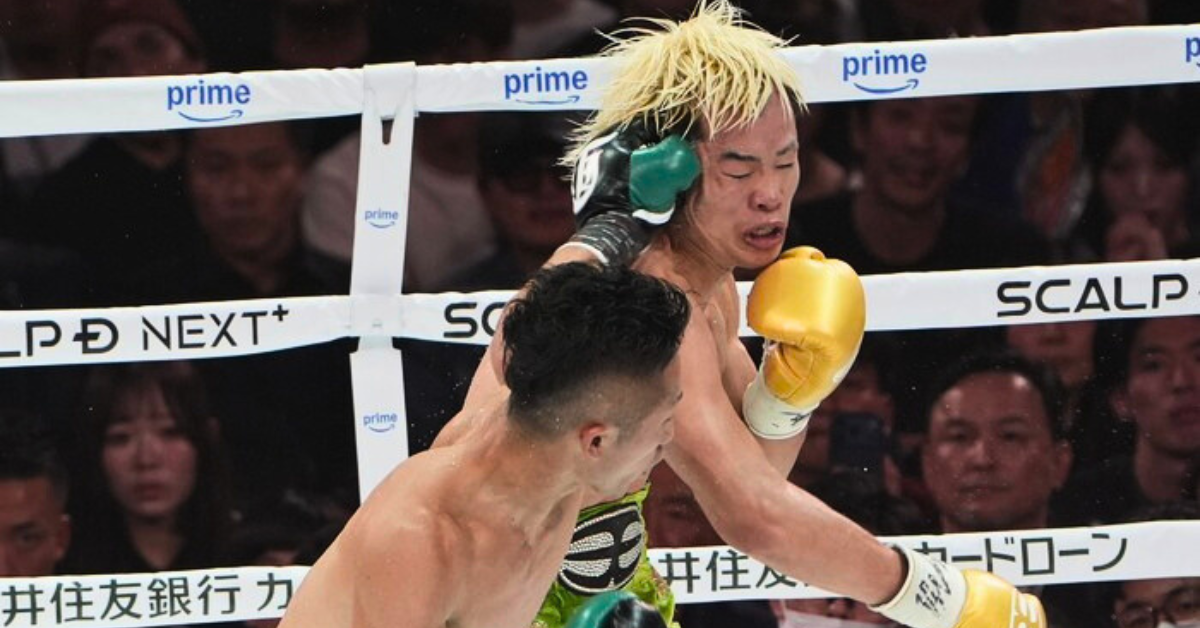
Takuma Inoue defeated Tenshin Nasukawa by unanimous decision (116-112, 116-112, 117-111) to claim the vacant WBC world bantamweight title in a highly anticipated contest held on November 24, 2025, at TOYOTA ARENA TOKYO. The matchup, broadcast as the marquee fight on Prime Video Boxing 14, featured a compelling style contrast and marked Nasukawa’s first attempt at a world title in just his eighth professional boxing bout.
Background and Pre-Fight Records
Tenshin Nasukawa, ranked number one by the WBC, entered as an undefeated fighter with a rapid rise since turning professional in April 2023. He amassed seven straight wins (two by stoppage) and captured the WBO Asia-Pacific bantamweight title in October 2024, later defeating former WBO world bantamweight champion Jason Moloney by decision in February 2025 and WBA-ranked Victor Santillan in June. Prior to his boxing career, Nasukawa was a prodigy in kickboxing.
Takuma Inoue, the younger brother of renowned multi-division champion Naoya Inoue, turned professional in December 2013. He secured the OPBF super-flyweight title in his fifth outing and won an interim WBC bantamweight belt in 2018. Inoue held the WBA bantamweight world title in 2023 but lost it in his third title defense. Heading into this contest, his record stood at 20 wins (five by KO) and two defeats.
Takuma Inoue vs. Tenshin Nasukawa Results
The fighters’ teams highlighted their high-level camps, with Nasukawa supported by trainer Takahiro Ao and presenting a gold-themed corner. Inoue’s team featured his trainer-father Shingo, Ohashi Gym’s Hideyuki Ohashi, and his elder brother Naoya.
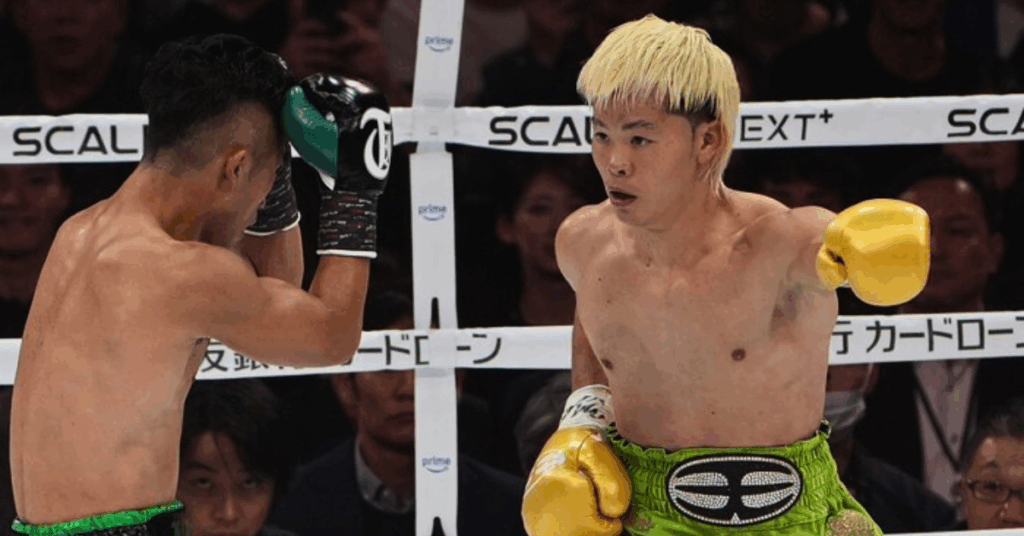
The matchup opened with Nasukawa, fighting from the southpaw stance, adopting an aggressive approach and demonstrating speed advantages in the early rounds. Inoue, an orthodox boxer, focused on defensive head movements and targeted with double lefts. Despite Nasukawa’s speed and effective jab, Inoue quickly adjusted, using timely entries to land short shots inside.
Rounds three to five maintained a competitive pace. Nasukawa landed sharp counters, particularly to the body, while Inoue worked to close distance and disrupt his rhythm. At the end of the fourth, the open scorecards showed a level fight, with all three judges scoring it 38–38 after four rounds.
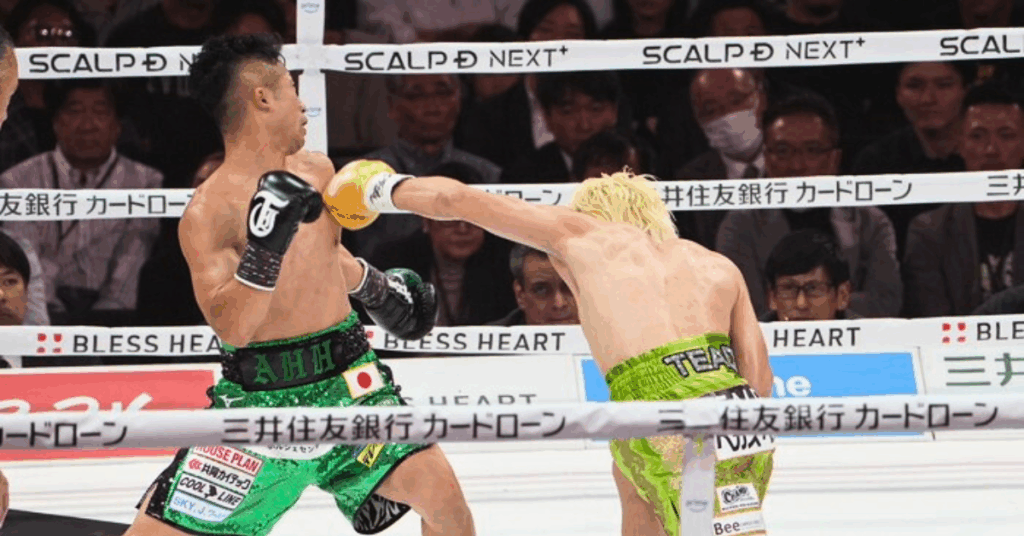
From the fifth round, Inoue began to increase pressure, connecting with effective right hands and landing clean combinations, particularly when Nasukawa’s output decreased. Inoue’s discipline in defense allowed him to avoid several of Nasukawa’s attacks and to counter with increasing frequency. After eight rounds, the scores slightly favored Inoue: 76–76, 77–75, and 78–74, as he established momentum in the middle segments.
The later rounds were characterized by Inoue’s consistent combinations and ability to contain Nasukawa during exchanges. Nasukawa’s movement and speed, which had been effective early on, appeared less pronounced, and his accuracy tailed off. Inoue exploited openings, scoring with overhand rights and uppercuts while maintaining composure in clinches and at close range.
Nasukawa, boxing into the twelfth round for the first time, continued to press forward, but Inoue maintained defensive responsibility and responded with sharp counters. Both men exchanged at close range in the final stretch, but Inoue’s defensive work ensured he limited clean shots and widened his advantage as the contest ended.
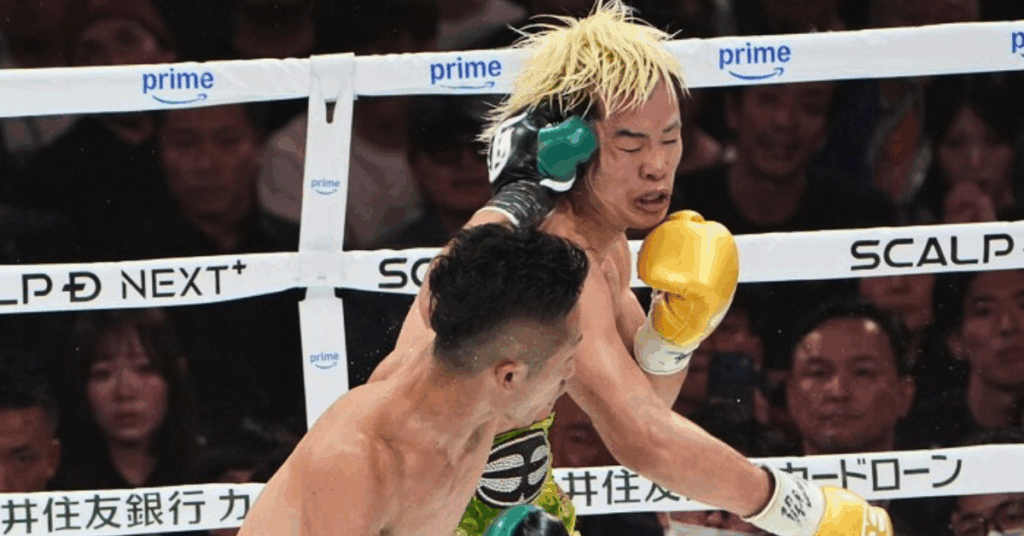
At the conclusion, all three judges scored in favor of Inoue: 116-112, 116-112, and 117-111. The win secures Inoue the WBC world bantamweight title and marks the first professional loss for Nasukawa, halting his rapid ascent but confirming his ability to compete at world title level.