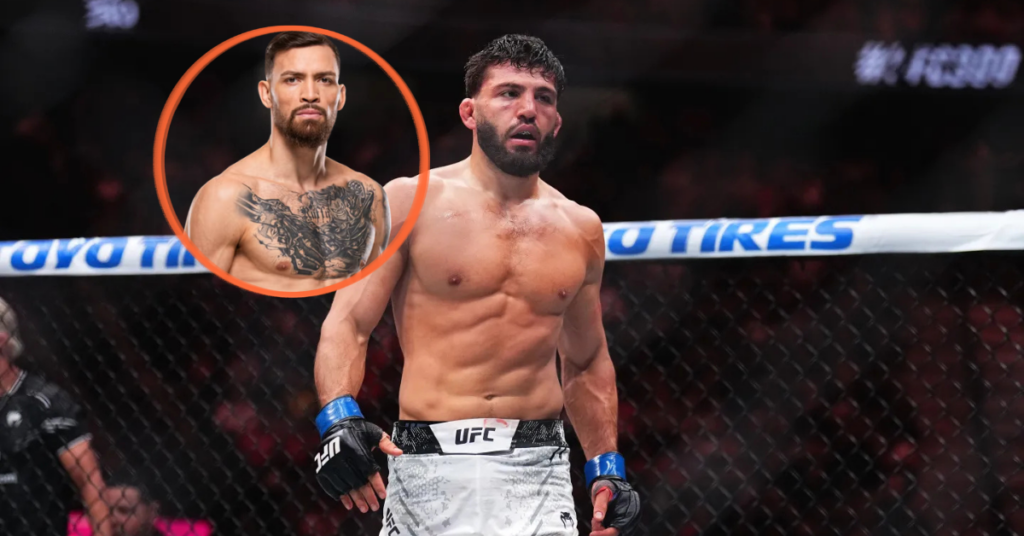
Sean Strickland reacts to Iran ceasefire with blunt message: “I will not vote or support the endless middle east wars”

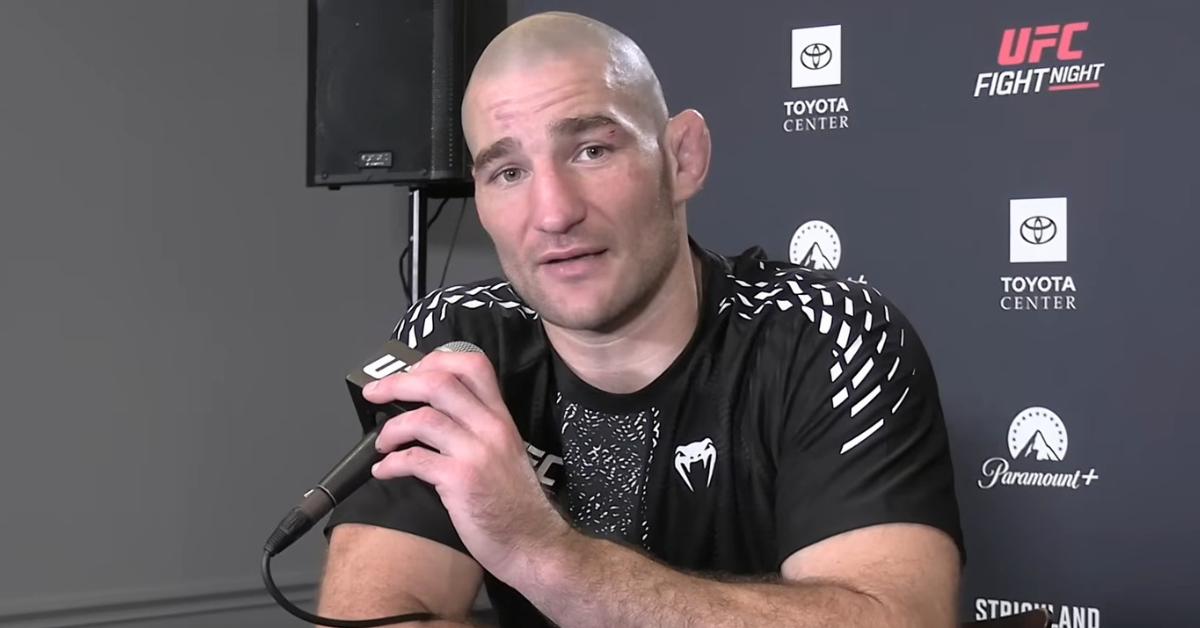
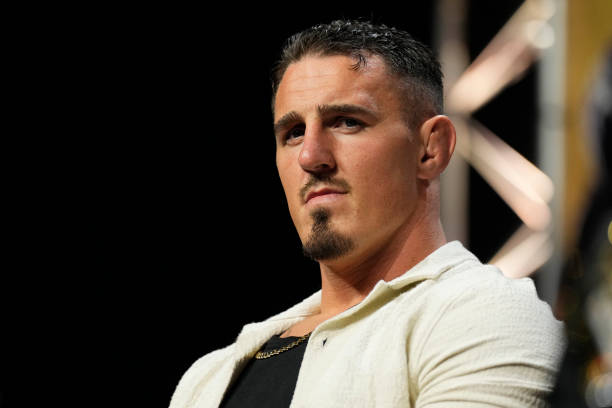
Sean Strickland is back in the political cycle, and this time he is framing his position around war, age, and what he sees as a long pattern in U.S. foreign policy. In a post on X, the UFC champion wrote, “People will ask why I talk about politics so much. Ill tell you. I was born in the 90s my entire life we’ve been in war in the middle east. Our parents, your parents did and said nothing to condemn it… So yes I will not vote or support the endless middle east wars…”
Sean Strickland sounds off on Middle East policy after Iran ceasefire: “No new wars”
He followed that with a second post that brought the issue closer to the military rank and file. Strickland wrote, “I do wonder it troops are sitting on base saying “Man I cant wait to go get those nukes from Iran. I signed up to to protect israel and the middle east” Well let history show I was and will always be against this. “No new wars””
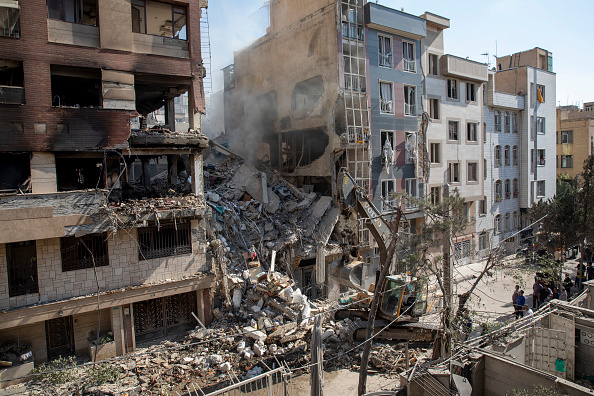
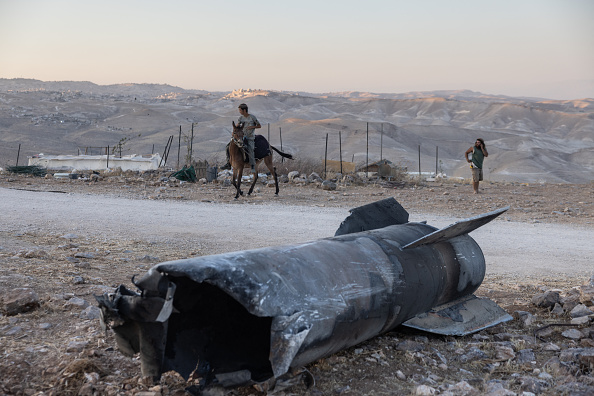
The timing is a major part of why the post drew attention. A White House official confirmed that the United States and Iran signed an agreement extending their ceasefire, and Reuters reported that the memorandum gave both sides 60 days to try to reach a final deal while calling for an immediate halt to military operations across all fronts tied to the conflict. The reported terms also included reopening the Strait of Hormuz, one of the key pressure points in the region.
That backdrop gives Strickland’s comments more impact than a routine social media rant. He was not commenting in a vacuum or reacting to a stray headline. He was posting as Washington and Tehran were trying to turn a temporary pause into a more formal arrangement, with the structure of the agreement itself showing how close the region had come to another long conflict involving U.S. force or U.S. backing.
Earlier reports this month noted that he had broken with Trump over Iran and Israel policy, and in 2025 he criticized U.S. strikes on Iranian nuclear sites by asking how spending hundreds of millions abroad helped Americans at home. In separate remarks tied to the same issue, he argued that “America doesn’t want to be involved in Israel’s war” and said, “This is not our war.”

That history is worth noting because it shows this was not a sudden turn designed for one news cycle. Strickland has built a public persona around saying what he thinks, often in blunt language, but on this issue there is a clear through line: he opposes new U.S. military action in the Middle East and sees support for that action as a betrayal of “America First” politics.
His reference to being “born in the 90s” taps into a real generational pattern. Brookings wrote in 2022 that the Iraqi invasion of Kuwait in August 1990 marked the start of America’s “endless wars” in the Middle East, while a U.S. Army history of the period documents sustained American operations in the region through the 1990s after Desert Storm. In other words, Strickland’s claim that his lifetime has overlapped with near-continuous U.S. military involvement in the region is grounded in the historical record.

Polling and foreign policy research also show that younger Americans have tended to be more skeptical of military intervention than older generations. A report highlighted by Responsible Statecraft cited a 2019 Center for American Progress poll in which Gen Z showed the strongest agreement with the statement that the wars in the Middle East and Afghanistan were a waste of time, lives, and taxpayer money, and a Chicago Council report found younger Americans more hesitant to rely on force and more likely to favor diplomacy.
That does not mean Strickland speaks for everyone in his age group, and he is still one of the most polarizing voices in MMA. But the anti-war argument in these posts is not fringe in the way critics may want to frame it. It lands in a climate where a visible share of younger voters already view long foreign entanglements with suspicion, especially after Iraq, Afghanistan, and repeated flare-ups involving Iran and U.S. partners in the region.