
Is the US Insolvent? And Does It Effect The UFC White House Card?


Is the US insolvent? Take a look at the numbers from the Treasury’s latest financial report with the help of Fortune for fiscal year 2025. Assets come in at $6.06 trillion. Liabilities sit at $47.78 trillion. Subtract one from the other, and you get a net position $41.72 trillion underwater, before even touching social insurance estimates.
Is the US Insolvent?
Federal debt makes up a big chunk, clocking in at $30.33 trillion. That’s a $2 trillion jump from the year before. Add in $15.47 trillion owed for employee and veteran benefits, up $438.8 billion. The Government Accountability Office couldn’t sign off on the books for the 29th year running.
Social insurance commitments over the next 75 years hit $88.4 trillion, a $10.1 trillion spike. Medicare Part B alone accounts for $6.9 trillion of that, Social Security another $2.5 trillion. Stack it all up, and obligations top $136 trillion, five times the size of annual U.S. GDP.
By everyday accounting rules, this spells insolvency, at least according to Fortune. Liabilities dwarf assets eight-to-one. National debt hovers near $39 trillion now, piling on $6.43 billion each day. Interest payments claim 13% of the federal budget. The government stays afloat by printing dollars and rolling over old debt into new loans. No shutdown tomorrow, but the 75-year fiscal gap widened to 4.7% of GDP.
The word “insolvent” is coming from Fortune’s commentary, not as a formal label used by the Treasury Department itself. Treasury’s consolidated financial statements present the raw numbers on assets, liabilities, and long‑term obligations, but they do not officially declare “the U.S. government is insolvent” in those terms. Fortune’s author looks at those figures and then concludes, in their own words, that “by any accounting standard” the government is insolvent.
UFC White House
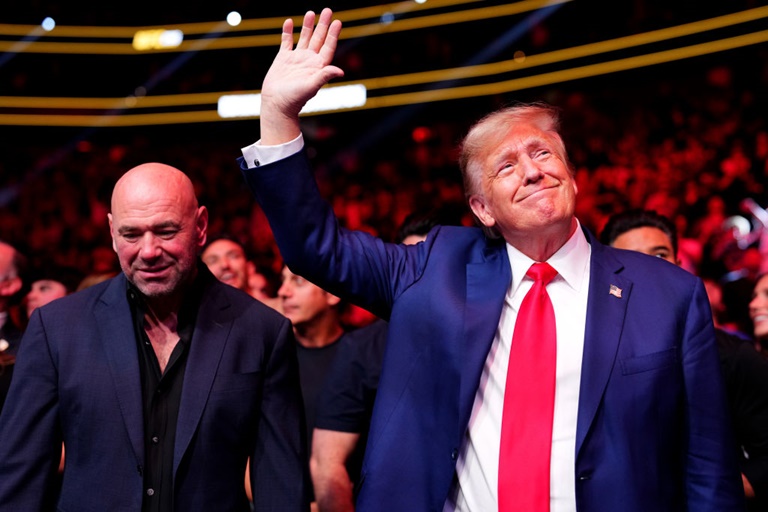
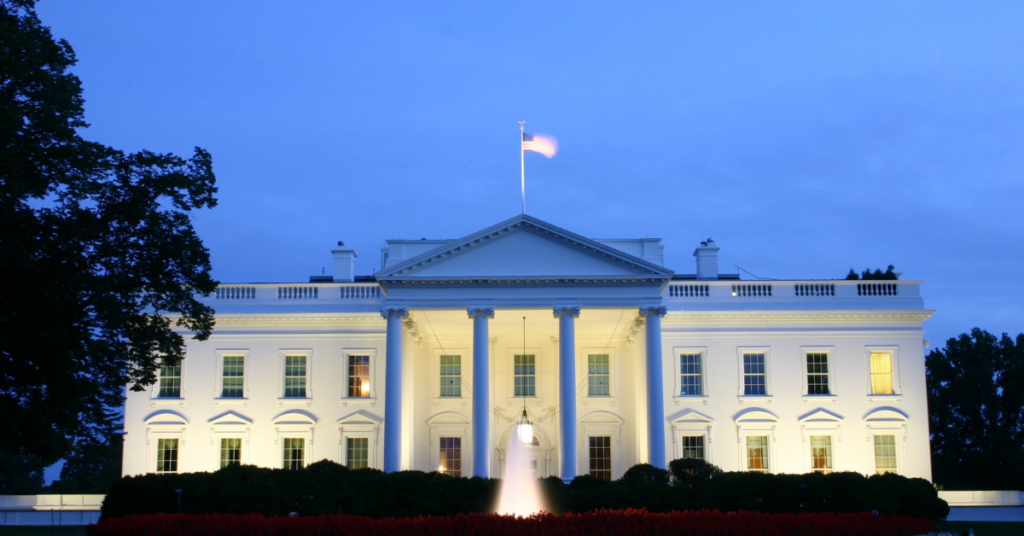
Now, about that UFC event at the White House. It’s still on for June 14, 2026, right on the South Lawn. Expect 3,000 to 4,000 fans and six or seven fights. Dana White hashed out details with President Trump and Ivanka Trump. The date moved from July 4, originally tied to America’s 250th birthday, to line up with Trump’s 80th and his Freedom 250 project.
Does any of this debt mess derail the fights? Not a bit. The White House runs on the Executive Office’s $1 billion annual budget, a drop in the federal bucket. Security, setup, and staffing pull from standard pots, untouched by the big debt picture.
The UFC White House card, officially branded UFC Freedom 250, is now locked in as one of the most stacked lineups in company history, headlined by Ilia Topuria vs. Justin Gaethje for the undisputed lightweight title on the South Lawn on June 14, 2026. Topuria returns for a title defense since stopping Charles Oliveira in June 2025, while Gaethje comes in as interim champion after his win over Paddy Pimblett at UFC 324.
The co-main event features Alex Pereira against Ciryl Gane for an interim heavyweight belt, giving the card a second championship bout. Rounding out the announced lineup are Sean O’Malley vs. Aiemann Zahabi at bantamweight, Mauricio Ruffy vs. Michael Chandler at lightweight, Bo Nickal vs. Kyle Daukaus at middleweight, and Diego Lopes vs. Steve Garcia at featherweight.