Donald Trump Claims the UFC White House Card Was One of the Most-Watched Fights Ever. Here’s What the Ratings Actually Show.

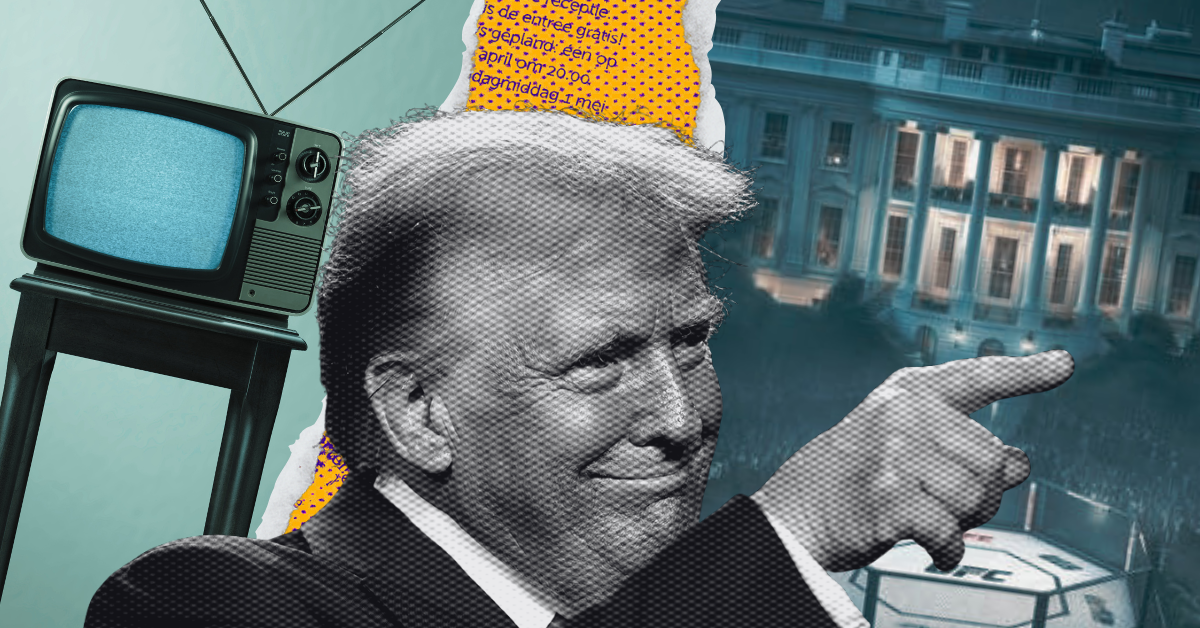
Donald Trump has never met a number he couldn’t round up, and the UFC’s Freedom 250 card at the White House just became his latest target. The president claims the UFC fight event was one of the most watched and highest rated fights in history. Let’s take a closer look at the claim and break down what the numbers actually say.
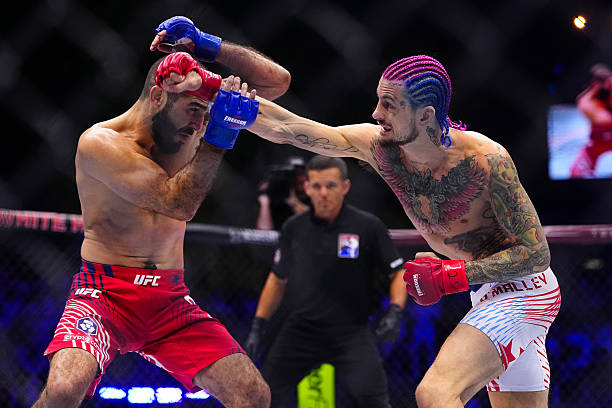
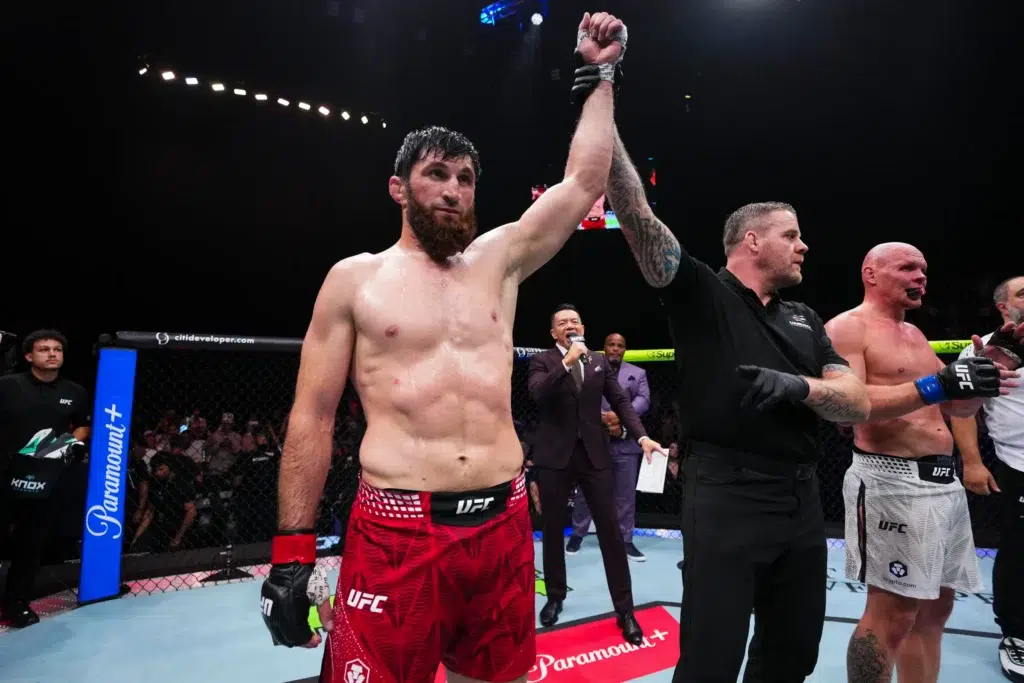
Donald Trump does not do small talk when it comes to bragging rights, and the UFC’s Freedom 250 card on the White House lawn gave him plenty of material. Speaking at the opening of the Theodore Roosevelt Presidential Library, Trump called the June 14 show “one of the highest-rated fights in history,” adding that it aired on “CBS, national, on a Sunday night” and beat what he described as the dead zone of programming. There is just one problem: the event never actually aired on CBS. It streamed exclusively on Paramount+, the streaming arm of Paramount Skydance, which happens to share a parent company with CBS but is a completely different product.
Trump says the UFC White House card was one of the “highest-rated fights in history.” The numbers say otherwise
“This was a big event. This was one of the highest-rated fights in history. It was broadcast on CBS, a network, and it got among the highest ratings any fight has ever gotten. It was on CBS, national, on a Sunday night, not a Saturday night. Saturday nights are called ‘Death Valley’ for television. I know a lot about ratings, but Sunday night’s very good.”
The mix-up got picked up fast because it undercut the very point Trump was trying to make. He was arguing the fight drew network-television-sized numbers, but the fight never touched a broadcast network at all. Whether that was a slip of the tongue or genuine confusion about how Paramount’s various platforms work, the underlying claim about the fight being one of the most watched in history deserves its own fact check, separate from the network mix-up.
What the numbers actually showed
Paramount released the official domestic figures on June 18, four days after the show. Nielsen data measured an average of 7 million viewers in the United States, with another 1.2 million watching in Latin America, for a combined average of 8.2 million across both regions during the seven-fight card. Looking at total reach rather than average audience, Paramount said 17 million people watched at least a minute of the broadcast, made up of 15.26 million in the U.S. and 1.67 million in Latin America. Those numbers made Freedom 250 the biggest exclusive live event in Paramount+ history, a real and verified milestone, just a much narrower one than “most watched fight ever.”
A week later, on June 26, the UFC widened the lens and put out a global figure of 34 million viewers, folding in additional countries including the U.K., Australia, China, India, South Korea, New Zealand and Canada, along with pay-per-view buys and UFC Fight Pass numbers from various territories. The promotion called it “one of the most-watched events” in UFC history without specifying exactly where it landed on that list, and noted that France and Spain still had not reported their own figures by mid-July.
For comparison, that 34 million global tally sat well below a Super Bowl audience, which regularly clears 200 million viewers worldwide, and the domestic 8.2 million average was about fifteen times smaller than that same Super Bowl’s U.S. audience.
The actual most watched fights in history
Long before Freedom 250, combat sports already had a bar set almost impossibly high, and it was not set by the UFC. On New Year’s Eve 2003, Bob Sapp fought retired sumo grand champion Akebono in a K-1 kickboxing bout at the Nagoya Dome, and Japanese network TBS drew an estimated 54 million viewers domestically, a number that beat out the country’s traditional New Year’s music broadcast. That figure has stood for over two decades as the benchmark for a single combat sports broadcast and remains nearly twice what UFC’s entire global tally for Freedom 250 claims to be.
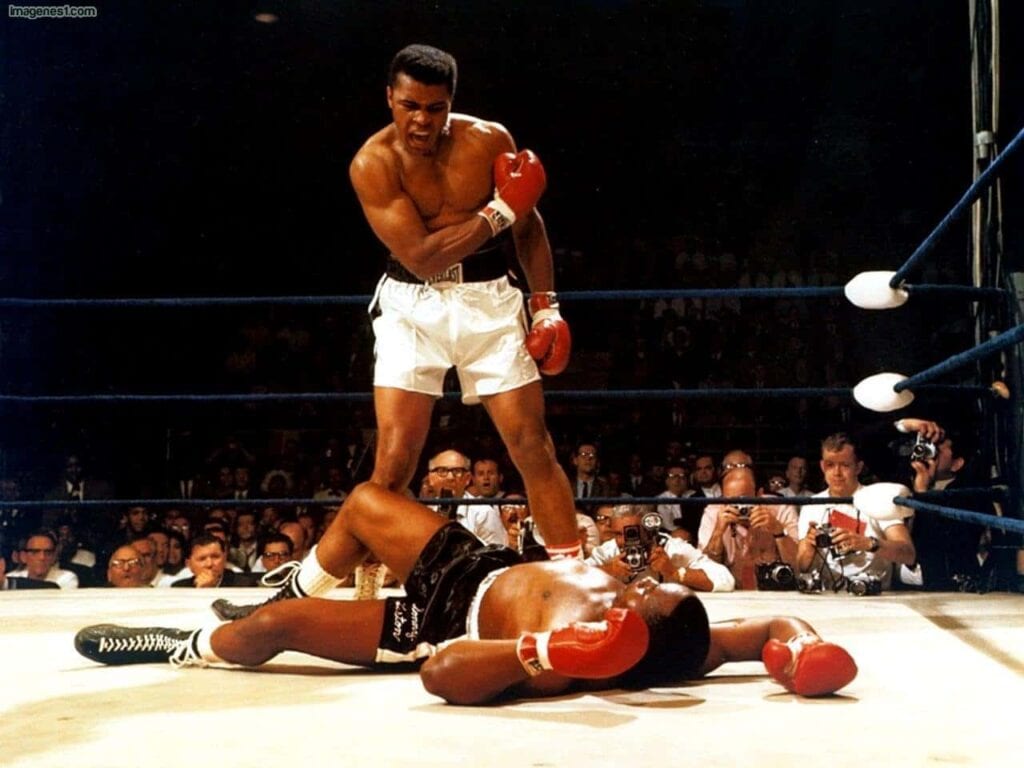
Muhammad Ali’s fights carry an even bigger case for the title, though the measurement tools were far cruder back then. The 1974 Rumble in the Jungle against George Foreman in Zaire is often cited with global viewership estimates as high as one billion people tuning in across broadcast and closed-circuit television, a figure repeated by outlets covering the fight’s 50th anniversary, though contemporary measurement was nowhere near as precise as modern Nielsen tracking.
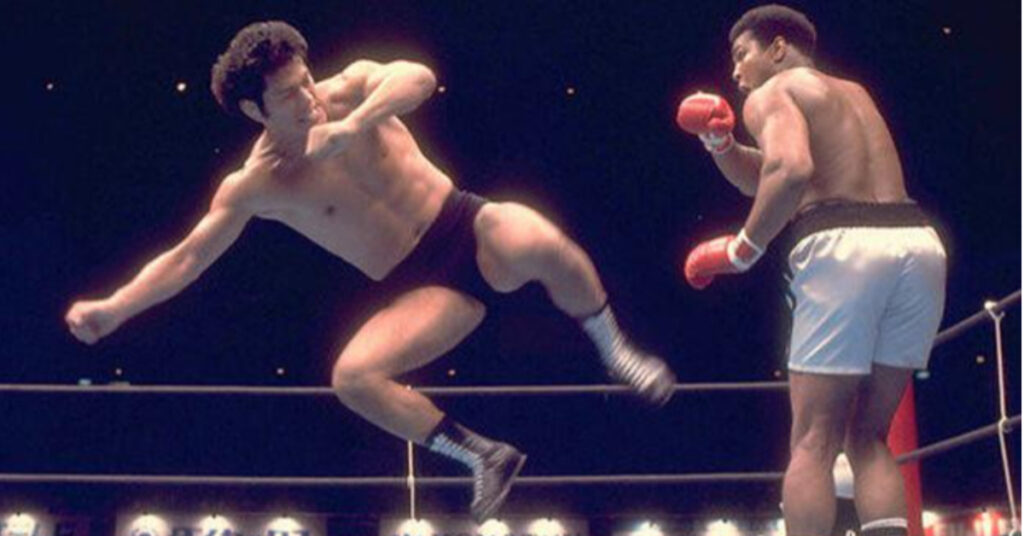
Ali’s 1976 exhibition against wrestler Antonio Inoki in Japan is also frequently cited as a forerunner of today’s MMA and drew a massive domestic audience of its own.
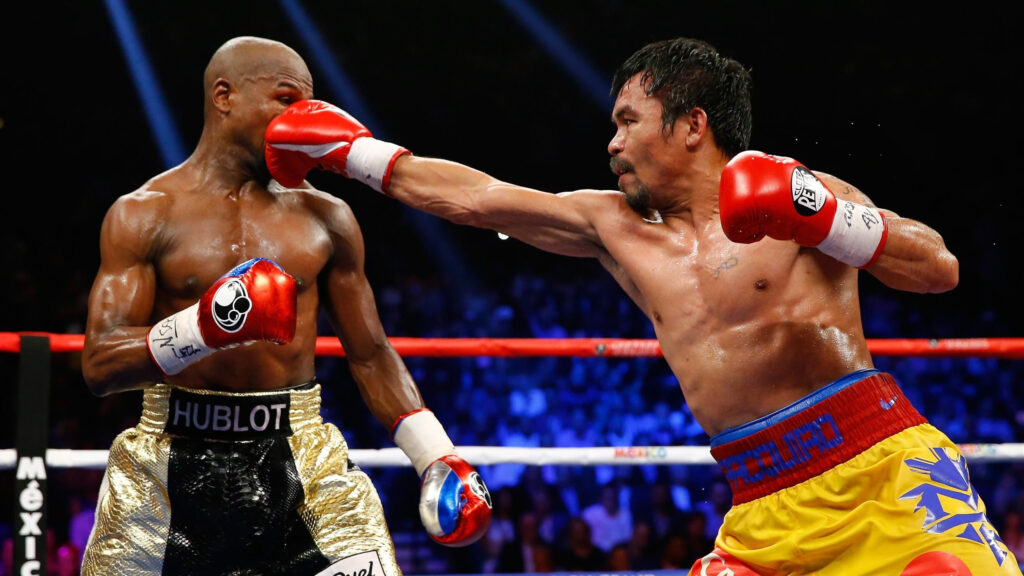
Boxing’s pay-per-view era set its own records, separate from the free-TV or streaming model UFC used at the White House. Floyd Mayweather Jr.’s 2015 fight with Manny Pacquiao, billed as the Fight of the Century, generated 4.4 million pay-per-view buys in the U.S. alone, which is a purchase count rather than a total viewer count, and the actual number of eyeballs watching (including bars, restaurants and shared households) was almost certainly several multiples higher. That fight also drew huge audiences in the Philippines, where some estimates showed nearly 47 percent of Filipino households tuned in across three networks simulcasting the bout.
The streaming era has produced its own giants. Netflix’s Jake Paul vs. Mike Tyson event in November 2024 pulled in an estimated 108 million average minute audience worldwide and peaked at 65 million concurrent streams, numbers so large they crashed Netflix’s own servers on fight night. Jake Paul himself claimed the event drew “over 120 million people” total, though that figure blends several different measurement categories rather than one clean average.
Even boxing’s more traditional side kept pace: Netflix’s Canelo Alvarez vs. Terence Crawford card in September drew 41.1 million global viewers with a live average minute audience of 36.6 million, making it the most watched men’s championship boxing match of the current century according to the streamer’s own figures.
MMA-specific streaming numbers put the White House card’s domestic total in sharper focus. Ronda Rousey’s win over Gina Carano on Netflix, a fight billed as a nostalgia showcase for two pioneers of women’s MMA, drew a peak global audience of nearly 17 million people, with a U.S. peak of 11.6 million, a number that already tops the 8.2 million U.S. average Paramount announced for Freedom 250. Before that Netflix show, the domestic MMA record belonged to UFC on Fox 1 in 2011, when Cain Velasquez fought Junior dos Santos in front of a peak audience of 8.8 million, a figure that also edges out Freedom 250’s average.
Jake Paul vs. Mike Tyson 2024 – 108 million global Netflix streaming
Bob Sapp vs. Akebono 2003 – 54 million Japanese network TV
Canelo Alvarez vs. Terence Crawford 2025 – 41.1 million global Netflix streaming
UFC Freedom 250 Global 2026 – 34 million global Streaming
Ronda Rousey vs. Gina Carano 2025 – 17 million global peak Netflix streaming
UFC on Fox 1: Velasquez vs. dos Santos 2011 – 8.8 million peak U.S. broadcast
UFC Freedom 250 U.S. average 2026 8.2 million – Paramount+ streaming
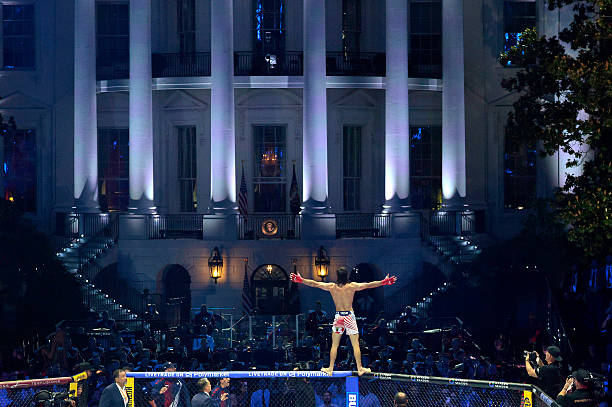
Judged against that full list, Freedom 250 does not crack the top tier of combat sports history, and it does not even top the modern MMA streaming era by itself, since the Rousey-Carano card on Netflix pulled in more total viewers with less promotional noise behind it. What Freedom 250 can honestly claim is being the biggest live exclusive event in Paramount+’s own history and the most-watched UFC card measured domestically within the promotion’s own internal record book, both real and specific claims that the UFC itself has been careful to frame that way in its press materials.
The gap between those specific, true statements and Trump’s sweeping “highest-rated fights in history” line, delivered on top of getting the network wrong, is where the claim falls apart.
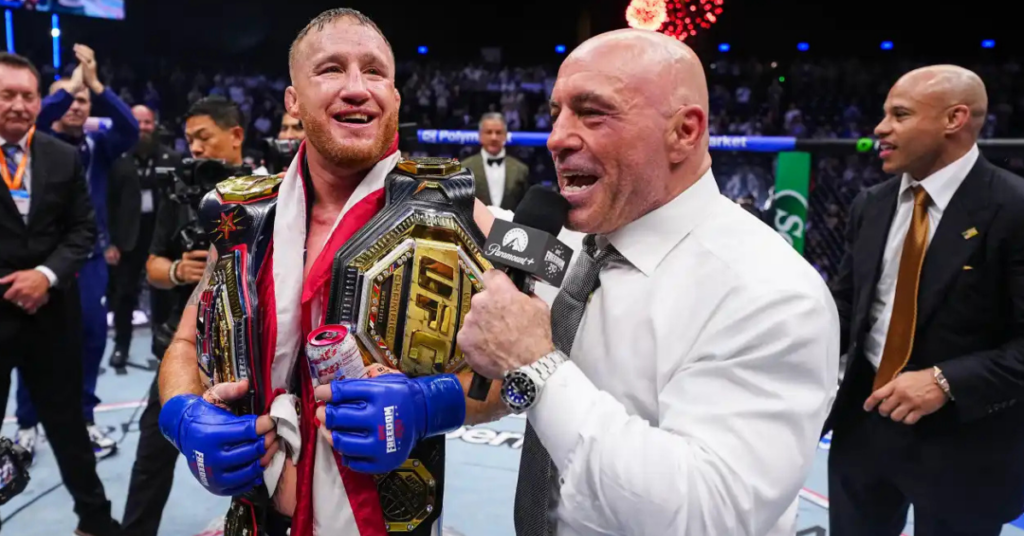
Context matters here too. Dana White set expectations sky high beforehand, at one point suggesting the show could approach numbers rivaling the Super Bowl, and outlets covering the event’s aftermath repeatedly noted those expectations went unmet even as the actual figures were still impressive by UFC’s own historical standards. Joe Rogan reportedly told a podcast guest he had heard estimates as high as 150 million viewers just a day after the event, a number that has never been supported by any official measurement from Paramount, Nielsen or the UFC itself.
Between White’s pre-show hype, Rogan’s unofficial guess, and Trump’s post-show claim about ratings history, the actual Nielsen-verified numbers ended up buried under a pile of bigger, looser statements that don’t hold up next to the sport’s real record book.