Did the UFC Cut off Sean Strickland’s Mic? What We Know – Insider Expains

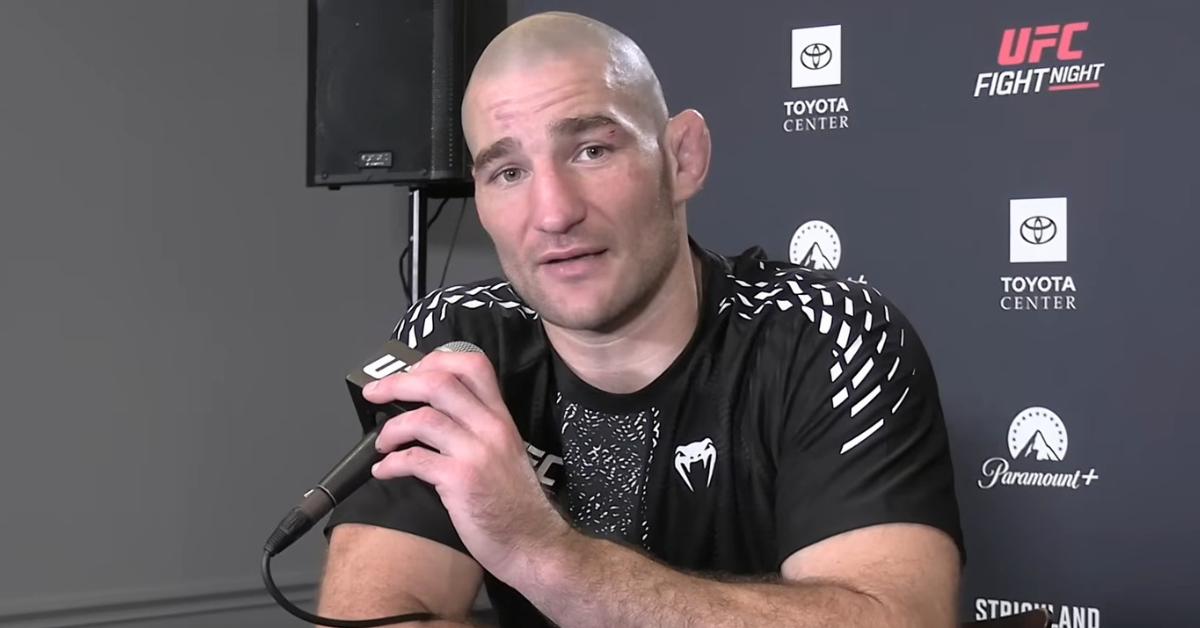
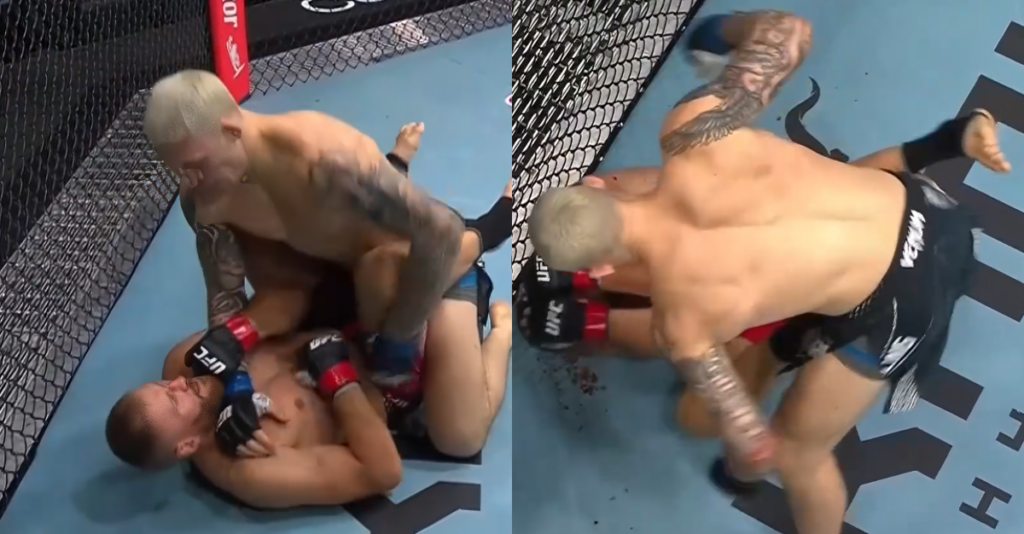
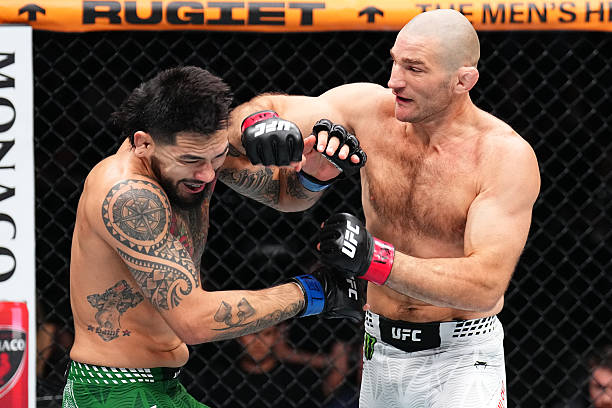
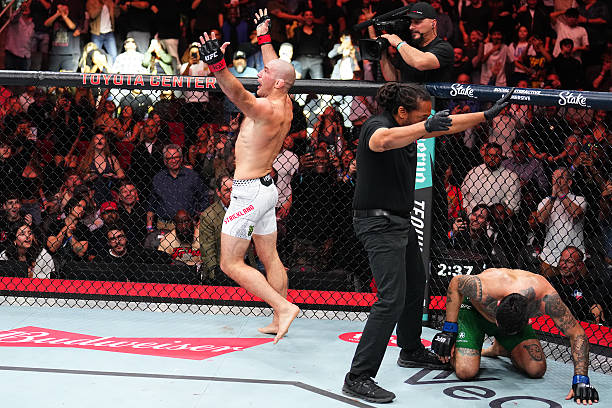
At UFC Houston, the promotion cut former middleweight champion Sean Strickland’s microphone during the post‑fight press conference, sparking immediate debate about whether this was a technical issue, a controlled move, or an attempt to silence him. The incident occurred after Strickland, fresh from a third‑round TKO of Anthony “Fluffy” Hernandez, began responding to questions but quickly veered into a, profanity‑laden rant.
UFC staff intervened visibly, muting his mic on the live broadcast while Strickland continued talking for roughly 35 seconds with no audio feed, a moment that has since been replayed and dissected across MMA media.
Inside the Sean Strickland Mic Cut: What Really Happened at UFC Houston
Managing editor of The Mac Life and UFC insider Oscar Willis, appearing on Submission Radio shortly after the event, offered a detailed explanation of what happened in the room. He described the core of the issue as Strickland openly accusing a former UFC‑linked coach of predatory behavior, which pushed the situation into legally sensitive territory the promotion likely wanted to avoid on a live broadcast.
“I do think that he was just accusing a former fighter of being a pedophile. There’s probably some sticky legal ground there that you want to avoid. Do you know what I mean? Like, if you’re the one who’s meant to be controlling the room and controlling the athlete and controlling the media and sort of keeping it going, what the heck are you meant to do?
“It was not a decision that was unilaterally passed down. It was a decision made on the spot because he was going crazy and it’s like, ‘Where are we going to go with this?’ So it’s not like the company silenced him. It’s what it is. But I get it. I get why they did.
Willis stated that the cut was not a top‑down edict from the executive level but a rapid, on‑the‑spot decision made by someone in the press‑room booth who felt the direction of the conversation was untenable. In his words, the person in charge was “trying to keep their job” while weighing pressure from UFC ownership, broadcast partners, and the risk of further controversy.
“I sympathize with the person who made the decision. It’s I wouldn’t have made the same decision because this is what reaction I would have expected: you kind of make him a sympathetic figure. This becomes a bigger story than whatever dumb stuff he would have said. So it’s definitely not something I would have done, even setting aside free‑speech stuff. I just wouldn’t have done it on a business level. But I sympathize with the person who made the decision because he’s calling people pedophiles and you just don’t know.”
Willis emphasized that Strickland did not react with outrage when the mic went dead. He said Strickland appeared unfazed, treating it almost like a minor technical glitch, and did not seem to view the moment as a major injustice. “He was just like, ‘Oh, is that it?’” Willis recalled, noting that Strickland simply tried to finish his sentence and then moved on, unaware, or unconcerned, about how the image of him banging the table while muted would play online. Willis admitted that he had similar footage from his own livestream that he initially left out of his press‑conference cut because of rough audio, only later deciding to release it once fans began questioning why the audio was missing.
“He was just like, ‘Oh, is that it?’ Like he didn’t get right. He was answering Schmo’s question. He was trying to be like, ‘And that’s the end of that.’ He didn’t care. I actually don’t even think he realized. He was like, ‘Oh, the mic’s not working.’ But he didn’t care. I think everyone’s going to blow this up to be like, ‘Oh my god, it’s crazy.’ It was a decision made.”
From a media‑relations standpoint, Willis argued that muting Strickland was a poor business move, even if linguistically he understood the impulse to stop the feed. He expected the reaction to be the opposite of what UFC staff apparently hoped: rather than burying the rant, cutting him off turned the moment into a viral talking point and positioned Strickland as a punish‑for‑speaking‑freely figure. He also pointed out that the context of UFC’s new Paramount+ deal meant that network standards and legal concerns were “ringing in the person’s ears” about how far the comments could escalate.
Variety covered of Strickland’s prior comments had already drawn attention, and Willis suggested that the combination of corporate pressure, broadcast worries, and the unpredictable nature of Strickland’s interviews made the decision feel less “heavy‑handed” than it looked on replay.
“I was surprised. I assume the Strickland thing is like probably a bit of an issue. I’m sure Paramount weren’t psyched that websites like Variety are talking about it and stuff like that. So, I’m sure it is annoying. I’m sure he now thinks, ‘Oh, god, what am I going to deal with in half an hour when Sean’s done?’”
Willis also described Strickland’s press‑conference style as closer to a live roast than a standard Q&A. He said that when Strickland is at a press conference, he often redirects questions back at the media, raising unrelated or uncomfortable topics, such as previous comments about Epstein’s Island or alleged predators around coaches, without being prompted.
This tendency, according to Willis, makes the room tense and difficult to manage, because the UFC staff that “runs it like a dictatorship: suddenly has to weigh the value of a live spectacle against the risk of explosive headlines.
“When you go to a press conference with Sean Strickland, it’s literally like being at a comedy roast and Sean is out there and he’s turning the mic back onto the media because he knows it makes people uncomfortable. He’ll bring up something crazy, like you asked him about the Khamzat fight and he’s talking about Epstein’s Island, goat sex, all sorts of crazy stuff.”