What Did Alex Pereira Mean When He Mentioned the Tire Shop at UFC 320? Poatan Reveals All

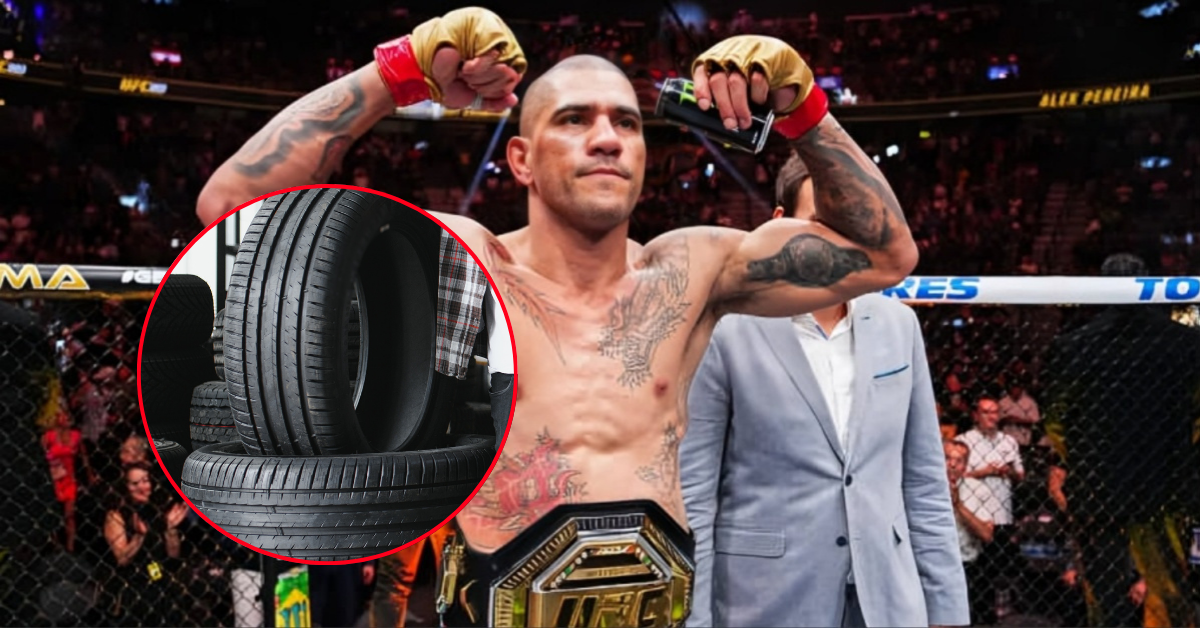
Following his spectacular first-round knockout victory over Magomed Ankalaev at UFC 320, Alex Pereira provided insight into a poignant moment that occurred during their pre-fight faceoff. The Brazilian champion was captured on camera telling his opponent in Portuguese that he would not be going back to the tire shop, a reference that carries deep personal significance tied to his humble beginnings.
Why Alex Pereira Told His Opponent He Would Not Return to the Tire Shop
During the post-fight press conference at UFC 320, Pereira explained the motivation behind this statement. The champion revealed that he made this declaration to himself as much as to his opponent, creating a personal reminder of what was at stake in their rematch. His explanation highlighted the psychological importance of his working-class background in driving his fighting career.
He explained:
“To remind myself later, you know? I was putting a little responsibility on myself to remember that, because I’ve already said it a few times before when people asked me how I managed to become the person I am today. I said, ‘I didn’t have a Plan B. I had to fight.’ And I said I didn’t want to go back to the tire shop. So, I repeated that exact phrase to him to remind myself I didn’t want to go back to the tire shop. But I am going to Brazil, and I am going to go back to the tire shop — with this belt here.”
Pereira’s tire shop reference stems from his early life in Brazil’s favelas, where he dropped out of middle school and took various manual labor jobs to survive. One of these positions was at a local tire shop, where he spent long hours mounting, balancing, and repairing tires for minimal wages. This period of his life was marked by significant hardships, including struggles with alcoholism that he has openly discussed.
The comment gained additional context from their previous encounter at UFC 313 in March, where Ankalaev and his team had mocked Pereira’s working-class background. During that fight’s press conference, Ankalaev responded to a reporter’s question about whether he would “send Pereira back to the tire shop” by stating that whether Pereira stayed in the sport or returned to tire work would be up to him. This exchange clearly struck a nerve with the Brazilian champion, who was visibly angered by the disrespectful reference to his past.
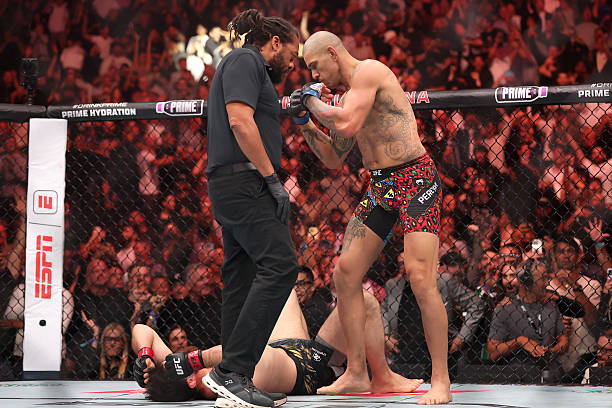
In explaining his faceoff statement at UFC 320, Pereira provided a deeper understanding of his mindset. He described how he had previously told interviewers that his success came from having no backup plan, no “Plan B” to fall back on if fighting did not work out. For Pereira, it was either succeed as a fighter or return to his previous life of manual labor. This all-or-nothing mentality became a driving force in his career.
The champion emphasized that his tire shop experience, while difficult, was instrumental in developing the discipline and work ethic that carried him to UFC success. He has previously stated that he owes a debt of gratitude to those difficult early years, as the physical demands of tire work helped build his strength and mental toughness. However, the prospect of returning to that life represented failure in his mind, making it a powerful motivational tool.
During the UFC 320 press conference, Pereira explained that he repeated the phrase to Ankalaev as a way of putting responsibility on himself to remember why he was fighting. The statement served as both a declaration to his opponent and a personal reminder of what he was determined to avoid.