Dana White Sparks Backlash With Men’s Mental Health Comments: “It’s an Idiotic Idea”

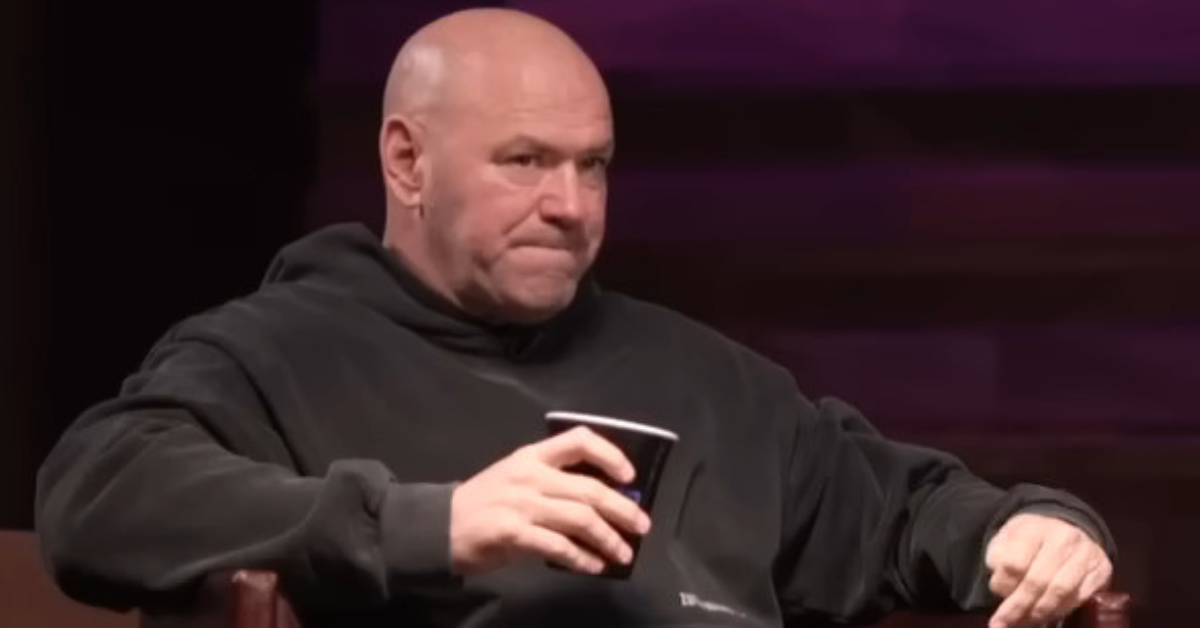
UFC president Dana White stirred up a wave of online pushback after criticizing the way men discuss mental health publicly. White explained that he dislikes what he calls “men’s mental health culture,” arguing that men shouldn’t share struggles on social media because it comes across as unattractive to both other men and women . His reasoning hinged on the idea that men’s primary role is being a provider, which he believes becomes compromised when they publicly air difficulties.
Dana White Faces Criticism After Comments on Men’s Mental Health and Masculinity
Dana White said:
“I hate this whole men’s mental health stuff that they talk about. Unfortunately, when you’re a man, you are the provider, you can’t be that guy posting on social media, oh I had a bad day and I’m so sad. It’s unattractive to other males, let alone women.”
The comment didn’t sit well with several high-profile voices. Brad Stulberg, who wrote “The Way of Excellence,” fired back by pointing out that men die by suicide at four times the rate of women, a gap he linked directly to men’s reluctance to seek help. Stulberg initially called White “an idiot,” though he later clarified he meant the idea itself was idiotic, not the person. His follow-up addressed what happens when men bottle everything down: they become angry and take it out on the people around them, which he described as the actual weakness in masculinity.
“Men die by suicide at 4x the rate of women and one of the biggest drivers of that is that men are less likely to ask for help. Dana White is proof that you can be very rich and still an idiot… just refuse to play into the narrative that seeking help makes you weak or unattractive. I think what actually happens is that a lot of men who shove their shit down end up becoming very angry and taking it out on the women and children in their lives, which is lame as shit and what actually makes for a weak man.”

Ramit Sethi, host of Netflix’s “How to Get Rich,” took the opportunity to reframe masculinity itself. He challenged the idea that being a provider means earning more money, and questioned whether men even need to fit that label at all. Sethi described how therapy helped him expand his emotional range beyond anger, which deepened his relationships with his wife and friends. He framed redefining masculinity as a choice, not something society should dictate.
“You can be happy, silly, grateful, and love fun. Traditional masculinity shows a grumpy man who’s irritated with his family and complains at Disneyland (“Can’t believe we have to spend all this money”). What if you chose to be a goofy loving person who your family enjoyed being around? What if you LOVED being around people instead of saying “I hate people” and building a man cave to isolate yourself in? You can choose your character. Society doesn’t own you.”
Scott Snyder, the comic book writer known for his Batman runs, also weighed in on the debate. Snyder has spoken openly for years about his own battles with anxiety and depression, dating back to his college years. He emphasized that men opening up about mental health challenges deserves support, not judgment. His stance came from direct experience, he’s been on medication since his late teens and attributes much of his recovery to therapy and professional help.
“This kind of stuff is so fucked up. As someone who has dealt with mental health issues in the past (anxiety, depression), men reaching out to others about their mental health struggles should be supported and celebrated. To judge asking for help as unattractive? garbage people.”
The pushback against White‘s comments ties into a conversation about how masculinity gets defined in society. The tension here isn’t really about whether men should work hard or be self-sufficient, it’s whether asking for help disqualifies someone from those things. Stulberg’s point about angry men hurting their families, and Sethi’s suggestion that emotional awareness creates stronger relationships, both challenge the assumption that vulnerability and strength are opposites. Snyder’s lived experience lends weight to the argument that seeking help doesn’t make someone weak; in fact, it might be what allows men to stay alive and present in their lives.
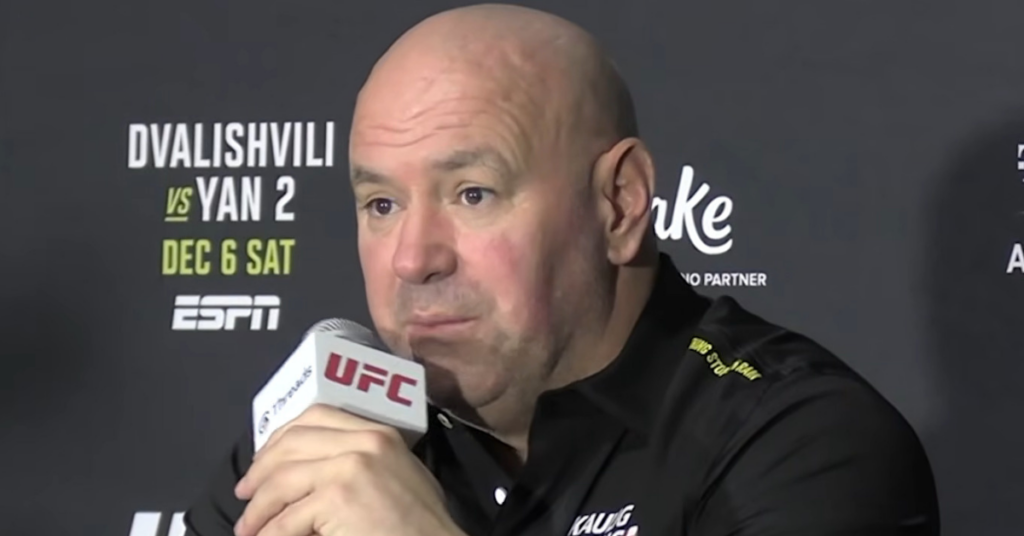
“Some people are upset I called Dana White an idiot. I shouldn’t have. I’ve never met Dana and don’t know much about him. I should have said it’s an idiotic idea, because it is.”