Josh Hokit – The Future of UFC Press Conferences?

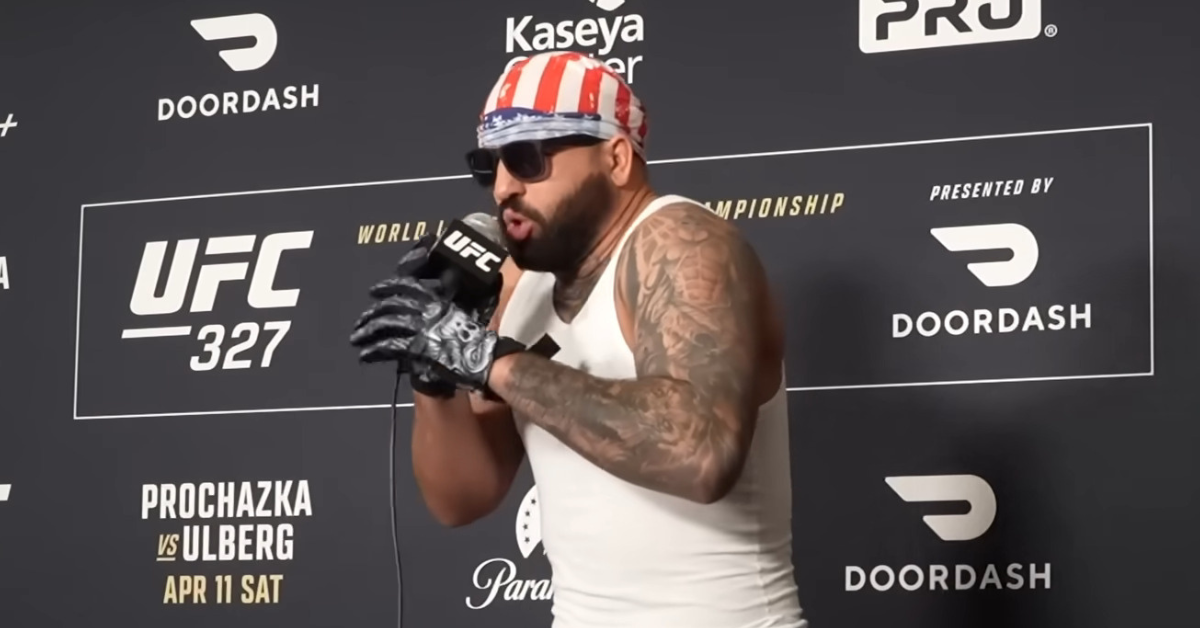
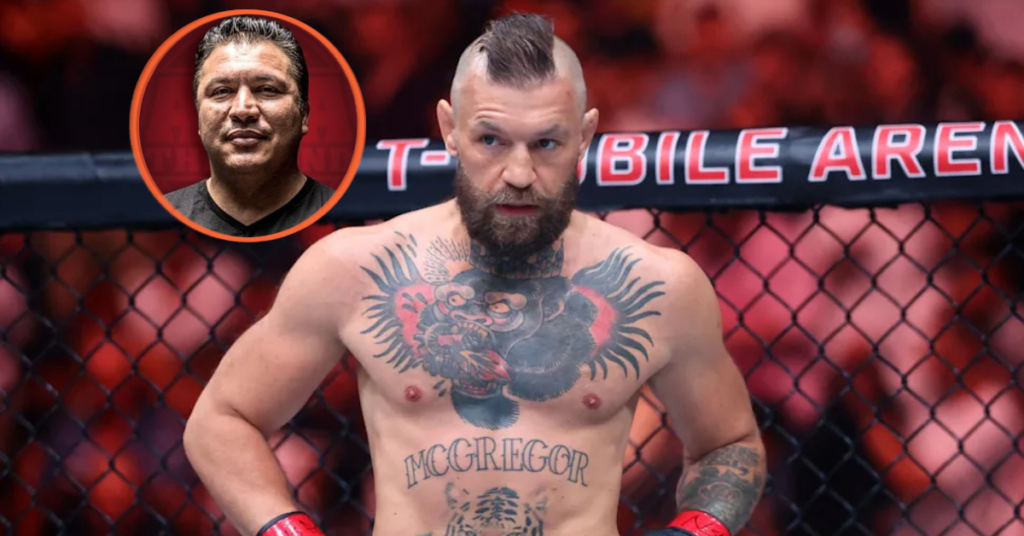
What does Josh Hokit mean for the future of the UFC? The UFC once thrived on star power. From Ronda Rousey and Conor McGregor to Jon Jones and Anderson Silva, the promotion seemed to have a superstar in almost every division. The company’s marketing machine relentlessly pushed these fighters, turning elite athletes into mainstream attractions. Today, however, the landscape feels different. While the UFC remains bigger than ever, its focus appears to have shifted away from building individual stars. As a result, fighters have increasingly been forced to promote themselves.
What’s the Future of Josh Hokit and the UFC?
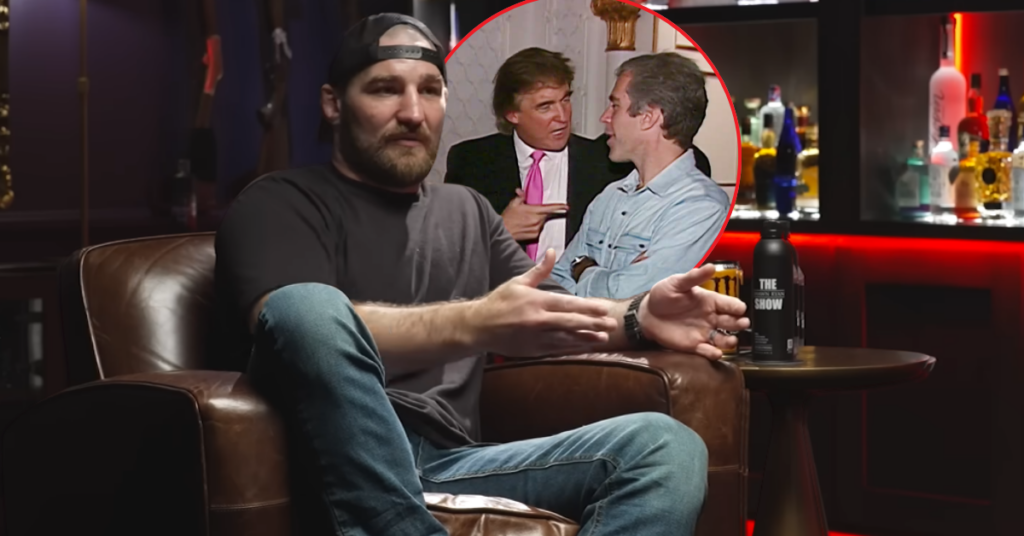
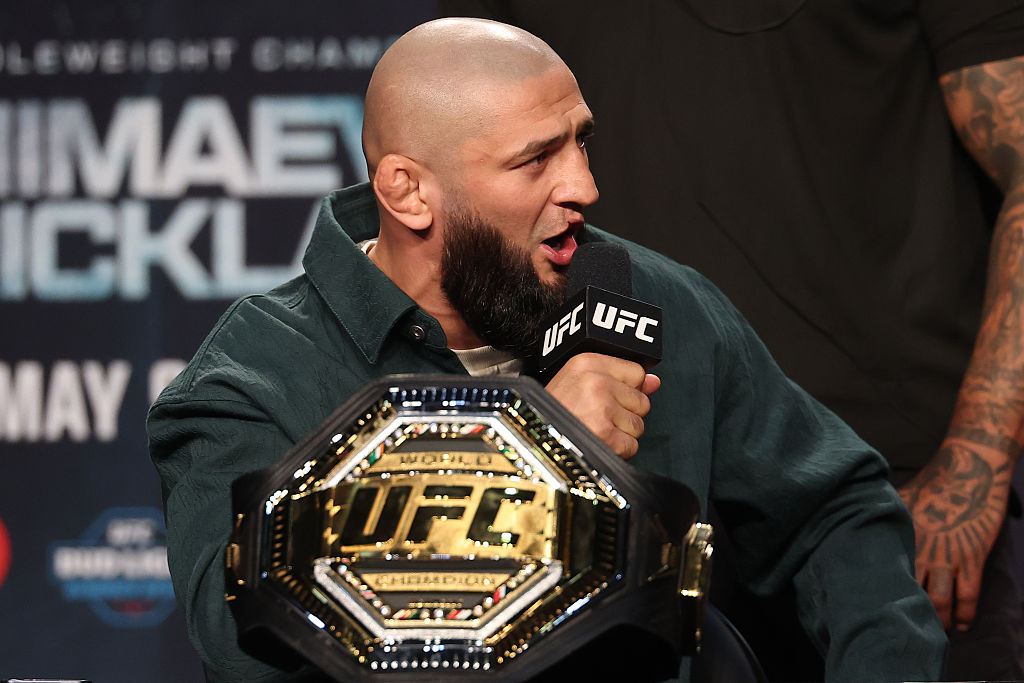
The modern fighter understands that winning alone is no longer enough. Arman Tsarukyan has appeared on popular livestreams, Alexander Volkanovski runs a successful YouTube channel, and Max Holloway regularly streams video games. More than ever, fighters are responsible for building their own audiences outside of the Octagon. With that shift came more extreme methods of self-promotion. Fighters such as Colby Covington and Sean Strickland have built massive followings through controversy and outspoken personalities. At times, UFC press conferences can feel closer to professional wrestling than a traditional sporting event. If that comparison is fair, then Josh Hokit may be the latest fighter to embrace the role fully.
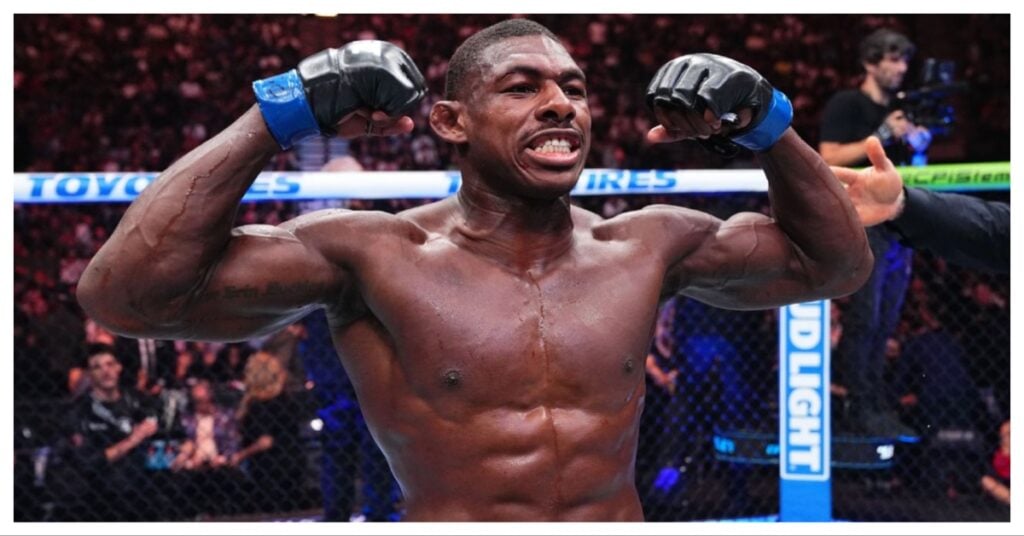
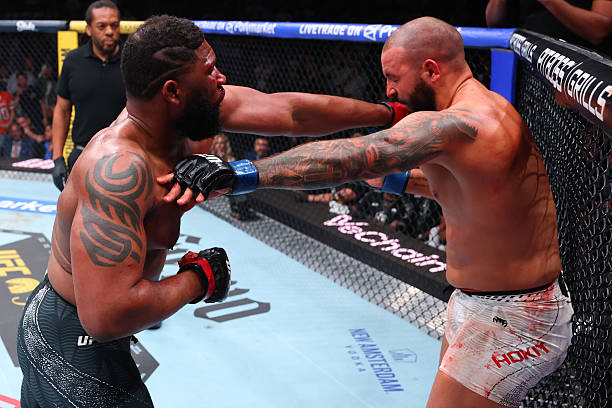
Love him or hate him, Hokit commands attention whenever a microphone is placed in front of him. Much of his trash talk divides opinion, but its effectiveness is difficult to deny. Since joining the UFC, he has remained committed to an outspoken and confrontational persona, but he elevated it to another level ahead of his fight against Curtis Blaydes in April. Entering fight week with around 85,000 Instagram followers, Hokit launched a relentless verbal assault on his opponent and quickly became the centre of attention during media appearances. The fight itself only added to the momentum. Hokit and Blaydes delivered an action-packed heavyweight contest that had fans talking long after the final bell. Combined with his headline-grabbing behaviour throughout fight week, the performance helped Hokit gain more than 100,000 followers in a matter of days. In an era where fighters are increasingly responsible for creating their own publicity, it was a masterclass in generating attention.
The success of Hokit’s approach also highlights a wider issue. UFC press conferences have become increasingly predictable in recent years. The same questions often produce the same carefully rehearsed answers, leaving fans searching for moments of genuine personality. Fighters like Hokit and Strickland have recognised that demand and filled the void, even if it means relying on controversy to do so.
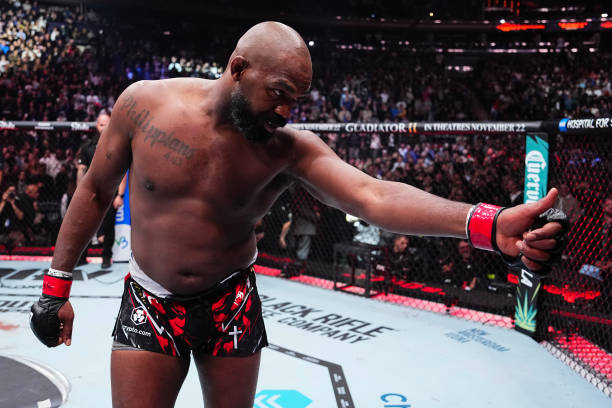
The concern is what that trend means for the future of the sport. Mixed martial arts has always contained elements of rivalry and promotion, but many fans were first drawn to the UFC because of the competition itself. The greatest stars often became famous because of what they achieved inside the cage. Jon Jones, for example, rose to prominence primarily through his extraordinary performances, with his personality serving as a complement rather than the main attraction.
Today, the balance appears to be shifting. Viral catchphrases, heated confrontations, and social media clips can sometimes generate more attention than a fighter’s actual accomplishments. While there is nothing wrong with athletes building their brands, the increasing emphasis on controversy risks overshadowing the sport itself. Josh Hokit’s rise has been remarkable. In less than a year, he has transformed himself from a relatively unknown newcomer into one of the UFC’s most talked-about personalities. If he secures another statement victory this weekend, a title opportunity may not be far away. His success demonstrates that the formula works.
The question is whether the UFC should be comfortable with that formula becoming the norm. If the promotion wants to create a new generation of superstars built on achievement as much as personality, it may need to invest more heavily in fighter promotion and compensation. Until then, fighters will continue to do whatever is necessary to stand out—and Josh Hokit may be the blueprint for the future.