MMA’s Retirement Crisis: Why So Many Fighters Struggle After the Cage

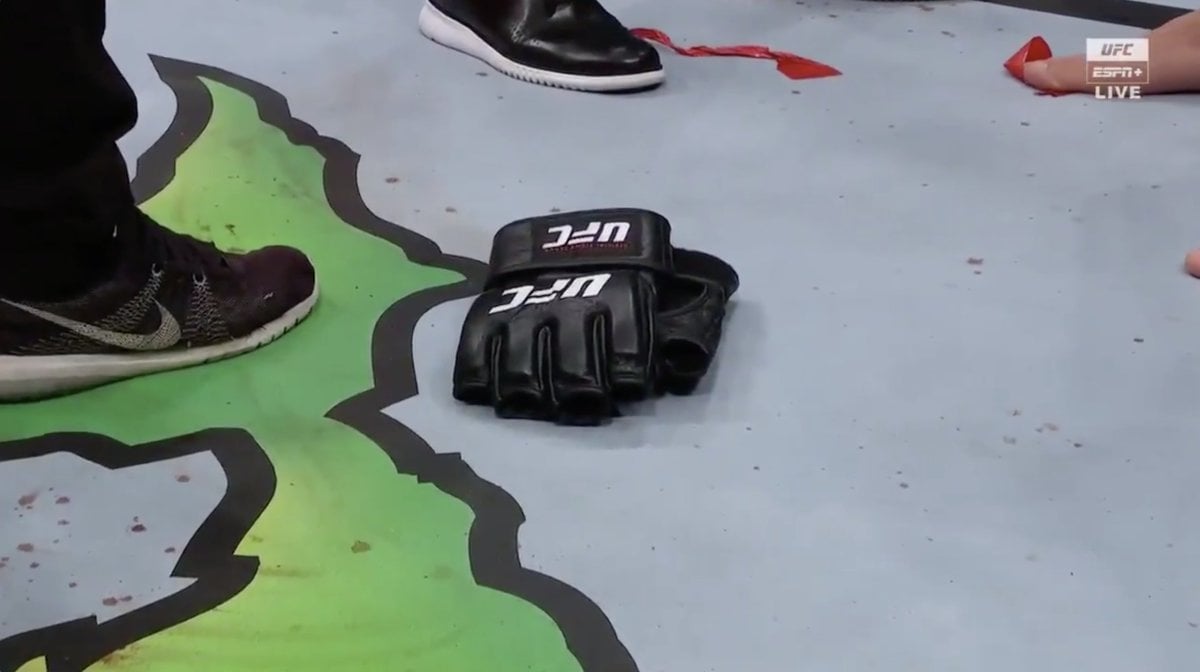
Being a professional MMA fighter is a ruthless way to make a living. Athletes willingly subject themselves to years of physical punishment, repeated concussions, and countless hours of grueling training, all while earning far less than athletes in most other major professional sports. Yet one of the harshest realities of the profession often begins after the fighting ends.
The struggles of retirement:
Retirement has proven to be an incredibly difficult transition for many fighters. Over the past several months alone, multiple former stars have publicly struggled to adjust to life outside the cage.
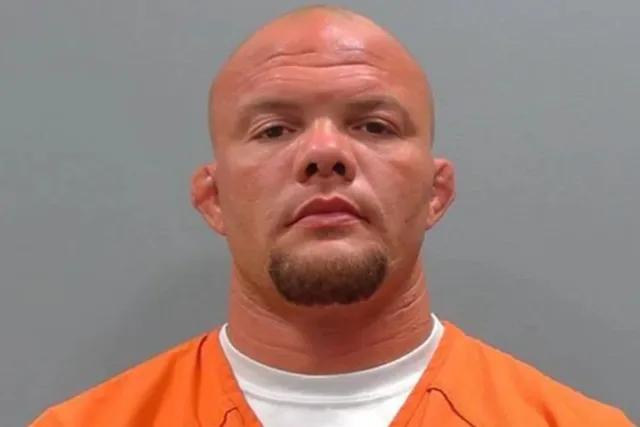
Let’s start with Anthony Smith.
Smith was arrested last week on several felony charges and, if convicted, could face a lengthy prison sentence. Nothing about his combat sports career excuses the allegations against him. However, it is fair to acknowledge the immense physical and psychological toll that decades of fighting may have taken.
“Lionheart” competed 59 times as a professional MMA fighter, not including amateur bouts or other combat sports competitions. Throughout his career, Smith suffered 12 knockout or technical knockout losses, in addition to the countless strikes absorbed in victories, defeats, and years of training.
After announcing his retirement from MMA, Smith remained involved with the UFC as an analyst. That retirement lasted only a year before he returned to competition in April for Gamebred Bareknuckle MMA. For someone who had spent nearly his entire adult life fighting, it raises questions about how difficult the transition away from competition can be and what years of accumulated damage may mean for a fighter’s long-term health.
One of the most memorable moments of Smith’s career came during his 2023 fight against Johnny Walker, when he appeared to experience a PTSD-related episode, claiming during the fight that Walker was “attacking his family.”
Again, none of this excuses Smith’s alleged actions. If he is ultimately found guilty, he should be held fully accountable. It is simply worth recognizing that repeated head trauma and the challenges of retirement may contribute to an athlete finding themselves in an incredibly dark place.
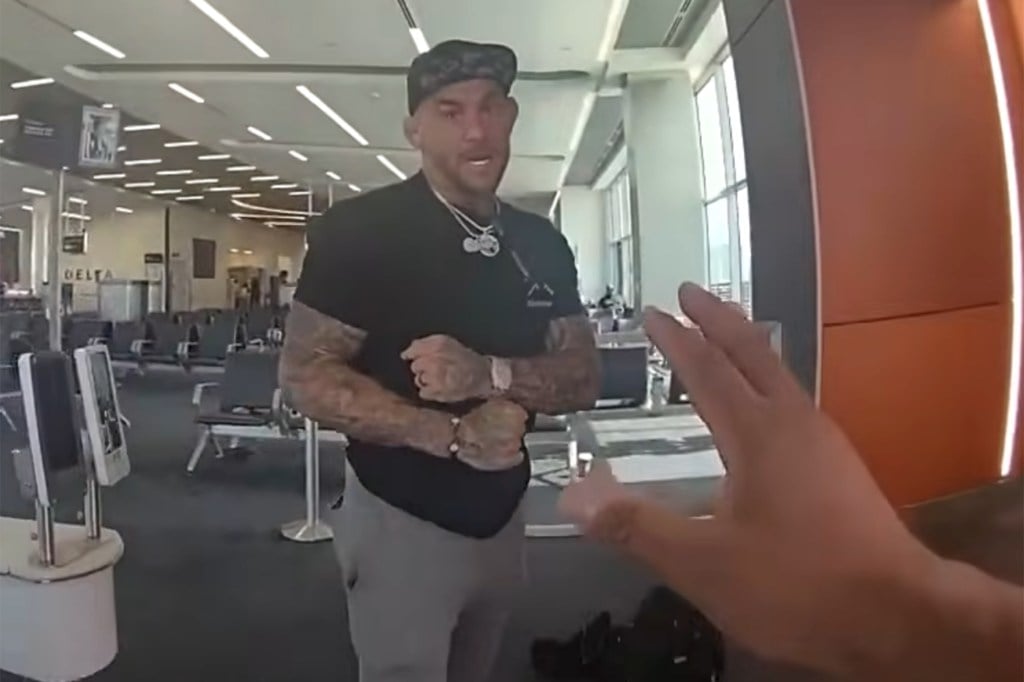
Dustin Poirier has also spoken candidly about his own struggles adjusting to retirement. After being arrested for public intoxication following an altercation with airport security in June, Poirier openly discussed the difficulty of stepping away from fighting and his battle with alcoholism. Like Smith, Poirier has remained with the UFC as an analyst while also documenting his journey toward sobriety and building a new life outside of competition.
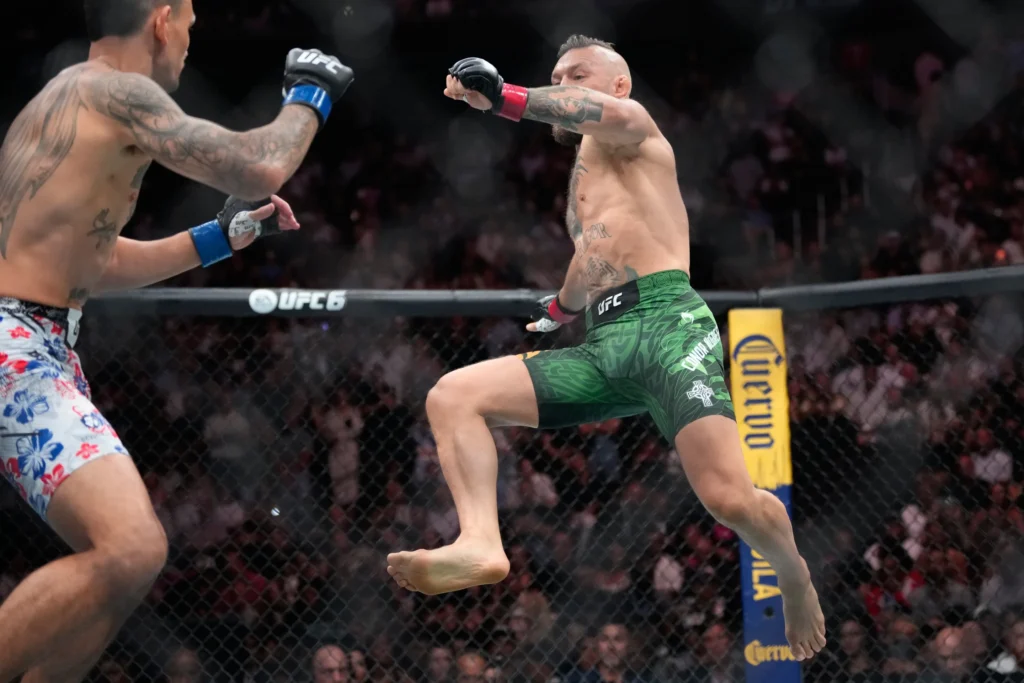
Conor McGregor experienced his own difficult period during the five years following the broken leg he suffered against Poirier in 2021. During his lengthy absence from competition, McGregor embraced a party-heavy lifestyle and publicly struggled with alcohol and cocaine use before attempting a return to MMA last month.
Dominick cruz shares his insight:
Following UFC 329, Dominick Cruz offered perhaps the most insightful observation when he suggested that McGregor’s comeback may have been about more than simply fighting again. Cruz said the former champion likely returned because he needed something that gave his life structure and purpose and “saved him from himself.”
Smith, Poirier, and McGregor represent only a small sample of fighters who have struggled to redefine themselves once their careers inside the cage came to an end.
Ironically, Cruz may also represent one of the best examples of someone who prepared himself for retirement.
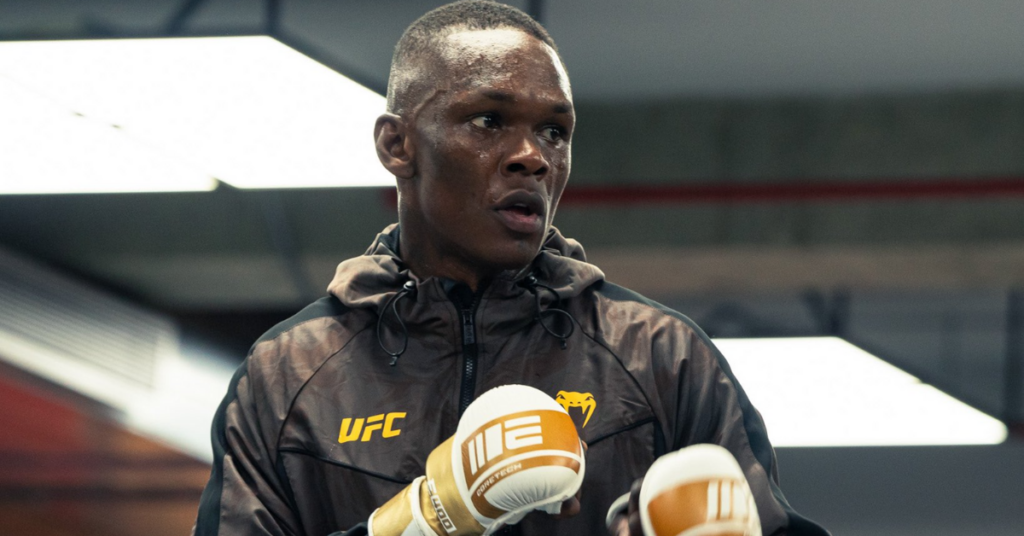
Throughout his career, “The Dominator” endured devastating injuries that forced him to miss nearly three years between 2011 and 2014 before another three-and-a-half-year absence between late 2016 and mid-2020. Rather than allowing those setbacks to define him, Cruz has often spoken about how those years became the most important period of his personal growth.
During his time away from competition, Cruz realized fighting could not be his entire identity. He developed interests, built a broadcasting career, and found purpose outside of the sport. When he officially retired at the beginning of 2025, he already had a life waiting for him as both an analyst and play-by-play commentator for the UFC.
The “Beyond the Cage” Foundation:
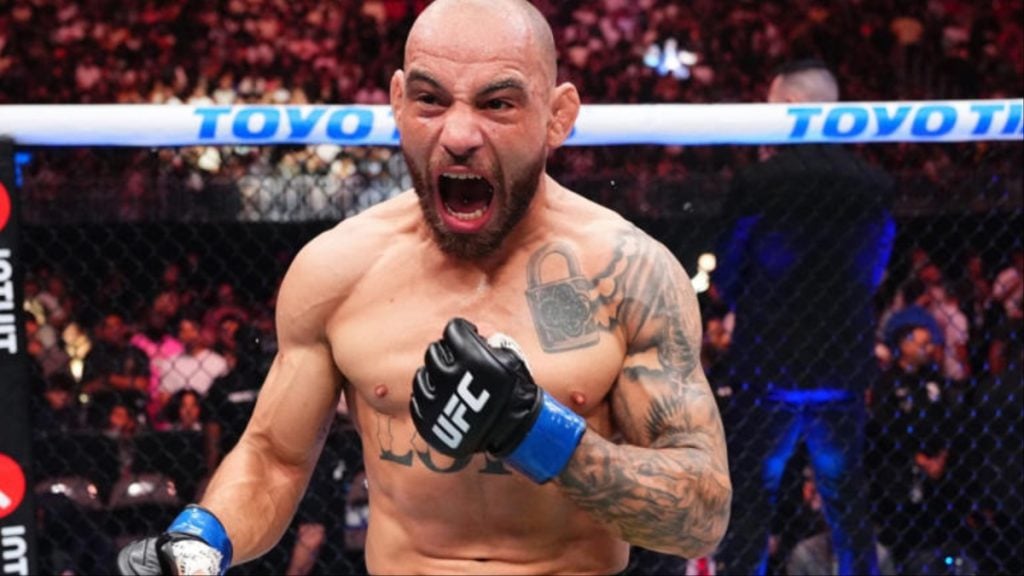
During an interview I conducted with UFC heavyweight Alvin Hines, “Goozie” discussed how his own suspension from June 2025 through June 2026 changed his perspective on life. That year away from competition led him to create the “Life Beyond the Cage” Foundation, an organization dedicated to helping fighters successfully transition into retirement.
Hines also reflected on rebuilding his life after being arrested for armed robbery in 2018, explaining how finding purpose outside of fighting ultimately changed his future.
Stories like Cruz’s and Hines’ demonstrate that while retirement can be incredibly difficult, it does not have to define a fighter’s life in a negative way.
The UFC also deserves scrutiny for the role it plays in helping athletes through that transition. The promotion has long faced criticism over fighter pay, limited long-term healthcare, and the lack of comprehensive support available once athletes are no longer competing. For many fighters, retirement means losing not only their primary source of income but also the identity they have spent decades building.
Perhaps the most uncomfortable reality is one that fans often prefer not to acknowledge.
Professional fighters absorb tremendous amounts of head trauma throughout their careers. As research into chronic traumatic encephalopathy (CTE) and other long-term neurological conditions continues to evolve, it is reasonable to ask what decades of repeated blows to the head ultimately mean for those athletes after retirement. While it is impossible to draw direct conclusions about any individual fighter without medical evidence, the risks associated with repeated head trauma are becoming increasingly difficult to ignore.
None of this is meant to excuse the actions of any fighter who has been arrested or accused of serious crimes. Individuals must still be held accountable for their decisions.
Rather, it is a reminder that life after fighting can be one of the greatest challenges an MMA athlete will ever face. The sport asks competitors to sacrifice their bodies and minds in pursuit of greatness. When that purpose suddenly disappears, many are left searching for who they are outside of the cage. Helping fighters navigate that transition should be viewed as just as important as preparing them for competition itself.