“The UFC Is F-cking Brutal”: Sean Strickland Rips ‘Predatory’ Fighter Pay

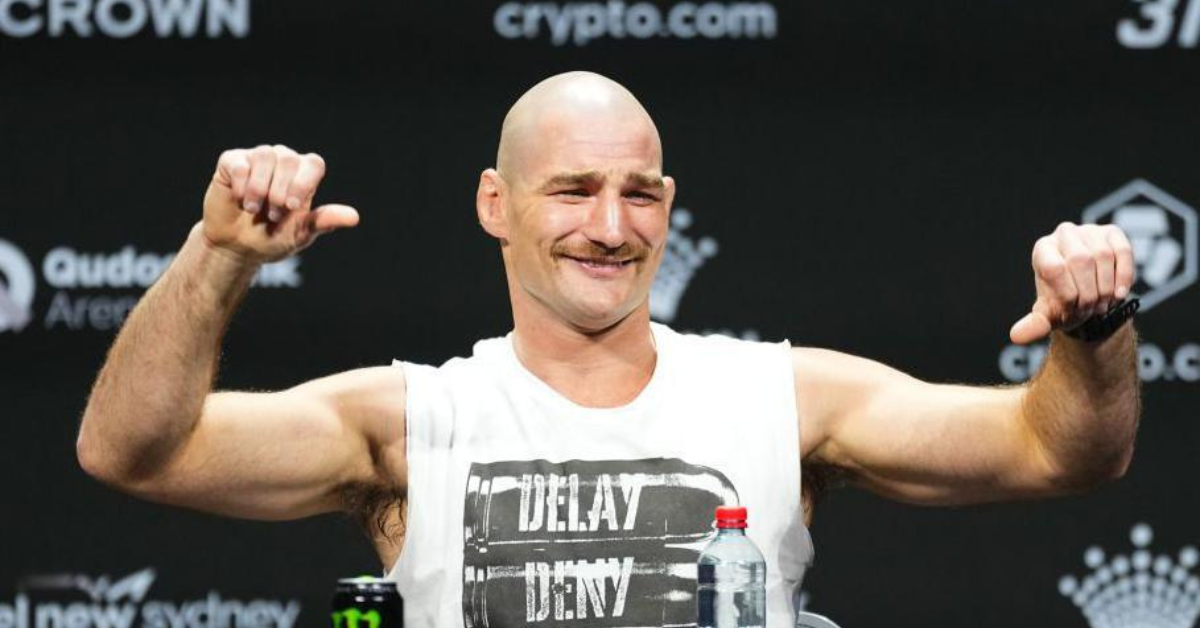
Sean Strickland has criticized what he described as the UFC’s “predatory” compensation structure, saying fighters early in their careers can be left with little after paying managers, taxes and training costs. His comments frame short-notice bouts as one of the few ways athletes can secure a sizeable immediate increase in pay.
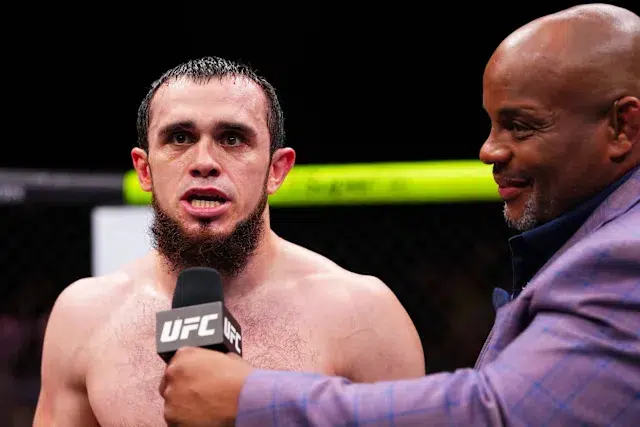
“When you’re a fighter you’re so poor… 20 grand for a fight, so you pay off your manager, you pay off your taxes, and if you lose you really only get like 8-7 grand,” Strickland said. Speaking on the Shawn Ryan Show after reclaiming the UFC middleweight title against Khamzat Chimaev, Strickland outlined the financial pressure facing fighters on entry-level deals.
“You’re So Poor”: Sean Strickland Delivers Blunt Verdict on UFC Fighter Pay
He went further in assessing the system. “The UFC is f-cking brutal, the UFC is so predatory. This is why you see a lot of foreigners excel, because guys in Brazil that live in the f-cking favelas, 10 grand to them is f-cking life changing… You can’t even f-cking pay rent for a couple months here.”
Fighters commonly fund their camps themselves, including coaches, training partners, gym access, travel and other preparation expenses, before taxes and management commissions reduce their purse. UFC athletes are typically independent contractors rather than employees, which affects access to benefits and collective bargaining.
The debate around UFC fighter pay has continued well beyond Strickland’s comments, with established contenders and former champions raising concerns over how much money reaches athletes after the promotion’s revenue is divided. An antitrust case settled in 2025 alleged that the UFC historically limited athlete compensation to between 13 and 20 percent of revenue, while fighters still negotiate individually because there is no collective bargaining agreement.
Jared Cannonier, a longtime ranked middleweight, recently said he wants UFC athletes paid in line with elite competitors in other major sports. “We go through a lot just to make it to fight week. We lose a lot of money that’s not coming to us,” Cannonier said, adding that he believes a veteran who has spent seven or eight years in the top 10 should have “million-dollar contracts,” rather than deals worth hundreds of thousands. He has previously explained that 60 percent of a purse could already be spoken for through gym costs, management, taxes and household bills, making the headline figure far less secure than fans may assume.
The contrast has sharpened following reports that Conor Benn received a one-fight deal worth £11 million to compete under Dana White’s Zuffa Boxing banner. UFC fighters have questioned why comparable financial terms are available within a White-backed boxing venture while many MMA athletes continue to compete on substantially lower guarantees; BBC Sport reported that UFC fighter compensation amounts to roughly 20 percent of promotion revenue, compared with around 60 percent commonly associated with boxing events. Even Conor McGregor, the UFC’s most proven commercial draw, said in June that his revised contract did not reflect what he believes he is worth, despite reaching a new agreement ahead of his planned return.
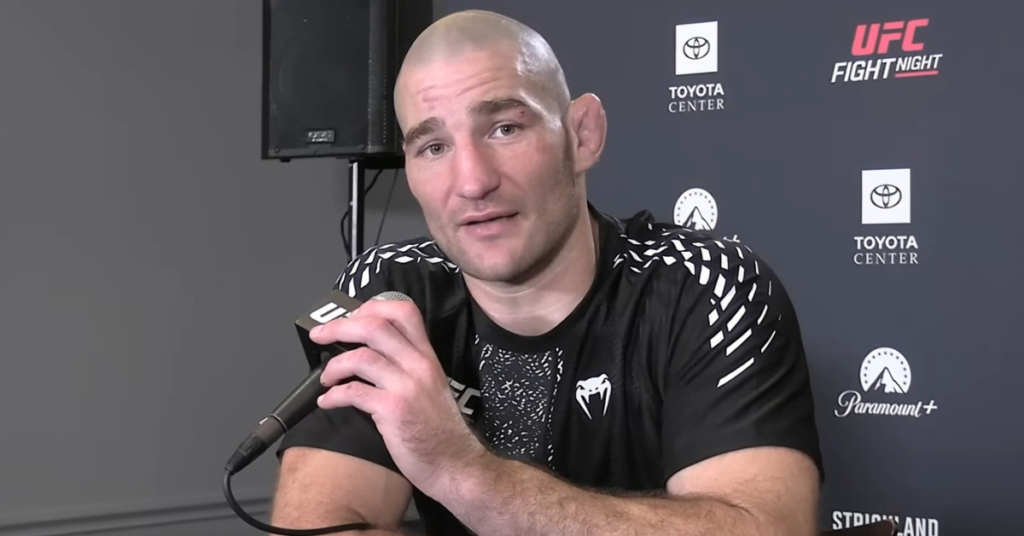
“The UFC, they love taking a short-notice fight. They will give you like 30, 40, 50 grand pay bump. Short-notice fights give you the biggest pay bumps.” Strickland said the UFC puts a premium on fighters who agree to step in when an opponent withdraws.
Documents reported in 2026 indicated that the UFC’s standard entry-level structure had remained at $10,000 to show and $10,000 to win, while a debutant signing on short notice could receive $12,000 to show and $12,000 to win. Those numbers do not account for a manager’s cut, camp costs, taxes, sponsorship income or discretionary bonuses.
With leading names still questioning the split of UFC revenue and lower-paid athletes carrying the costs of preparing to compete, fighter pay remains one of MMA’s most persistent issues.