“Zuffa Boxing Is the Trojan Horse”: Oscar De La Hoya Sounds Alarm Over Fighter Pay

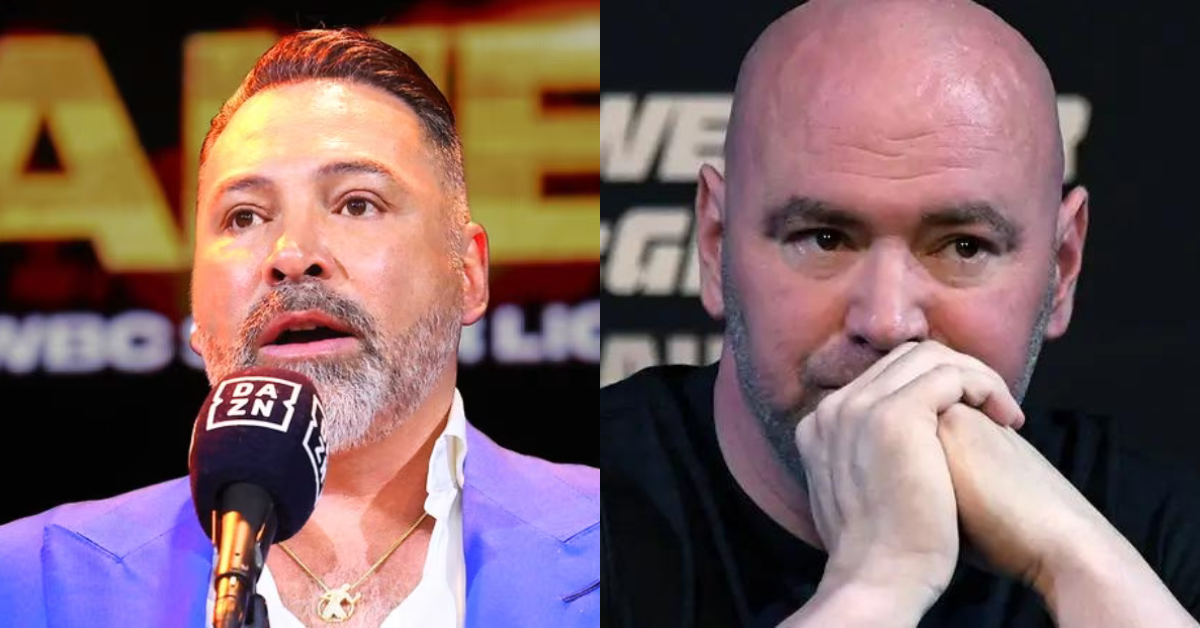
Oscar De La Hoya has warned boxers that Zuffa Boxing’s early spending could be a short-term recruitment move rather than a lasting pay model. The Golden Boy Promotions founder argues that Dana White’s company is attempting to bring the UFC’s centralized system into a sport where elite fighters have historically held far more leverage over purses.
De La Hoya framed Zuffa Boxing as a “Trojan Horse,” claiming the promotion is paying select names above market value to create the impression that high purses will remain available. His concern is that, once the company has enough talent and market control, the leverage will shift from fighters to the promotion.
Oscar De La Hoya Calls Zuffa Boxing a “Trojan Horse” in Warning to Fighters
“Zuffa Boxing is the Trojan Horse. They are overpaying a few boxers to make it seem like this big money will continue but it won’t. Once they monopolize the sport like they want to, Zuffa will pay fighters peanuts. Exactly like the UFC.”
De La Hoya knows both sides of boxing. He won world titles in six weight classes, became one of the sport’s biggest pay-per-view draws, and later built Golden Boy Promotions into a major promotional company. That experience shapes his point: star boxers can negotiate across promoters, broadcasters and events, while UFC athletes typically compete under exclusive promotional agreements.
At the top end of boxing, fighters can command eight-figure guarantees, pay-per-view upside, site fees and sponsorship opportunities. The sport can be messy, but that fragmentation also gives elite names options. A boxer unhappy with one promoter can often pursue another deal, a rival network, or a one-fight arrangement.
Zuffa Boxing’s model is built around the opposite idea. Dana White has discussed a promotion with its own rankings, titles and contracted roster, similar to the UFC structure. Eddie Hearn has said that approach is about “control,” warning that an in-house belt and closed ecosystem are a poor substitute for established sanctioning-body championships.
UFC Fighter Pay Controversy
The UFC’s pay structure has faced years of legal scrutiny. In Le v. Zuffa, former fighters alleged that the company used exclusive contracts and market power to suppress athlete compensation; UFC parent TKO agreed to a $375 million settlement covering more than 1,000 fighters who competed between 2010 and 2017.
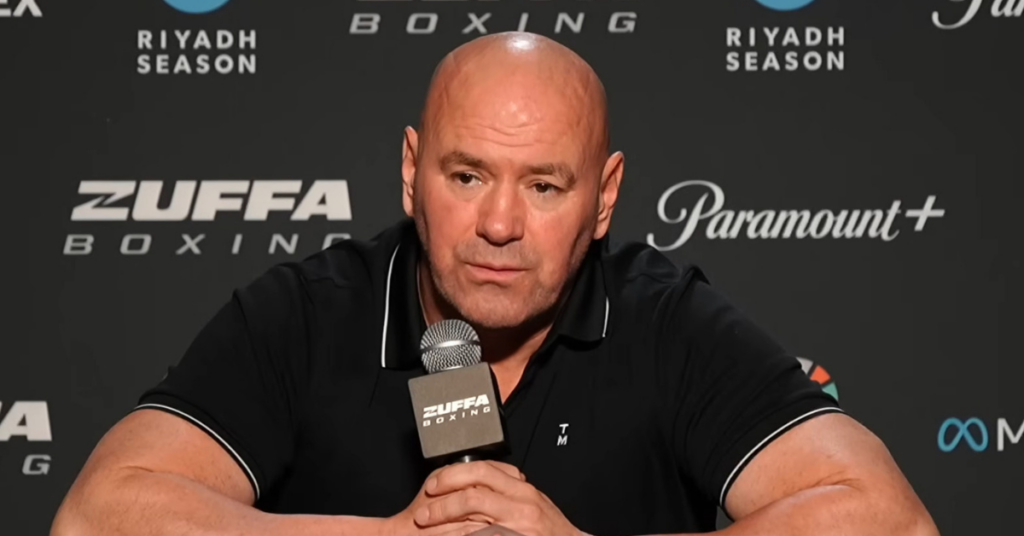
The settlement did not resolve every issue. Johnson v. Zuffa, involving fighters contracted from 2017 onward, remained active after the Le settlement, with claims centered on alleged antitrust violations and restrictive business practices.
That history is central to De La Hoya’s criticism. He is not claiming Zuffa Boxing has already reduced purses; it is still a new operation. His argument is predictive is that boxers should examine long-term exclusivity, renewal clauses, championship control, outside-fight limits and revenue participation before being persuaded by an opening offer.
UFC fighter pay remains a recurring issue, voiced by athletes across different levels of the roster. Jared Cannonier, a former title challenger with 20 UFC bouts, said fighters are “at the sh*t end of the stick” financially, arguing that a veteran who has spent years in the top 10 should have a million-dollar contract rather than a six-figure deal; he also pointed to the loss of outside sponsor income under the UFC’s apparel arrangements.
Sean O’Malley, despite previously arguing that lower-level fighters must build their own drawing power, later said earning less outside title fights “definitely sucks” and confirmed reports placing one recent purse near $600,000 were roughly accurate.
Conor McGregor has likewise criticized the UFC’s compensation model over the years, putting the sport’s most marketable fighter among those who have publicly pushed back on how event revenue is shared with the athletes who compete.
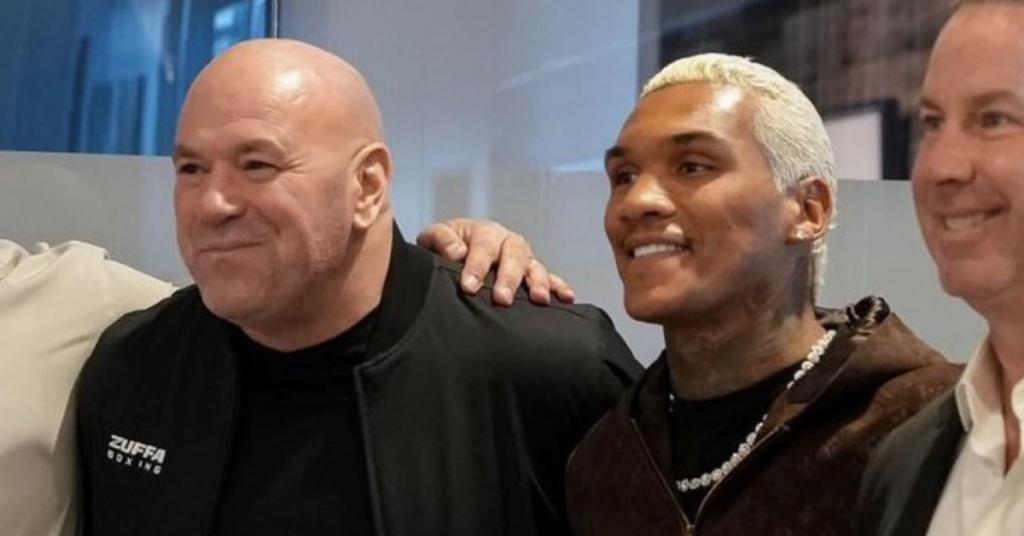
Zuffa Boxing has landed several high-profile names, led by IBF and Ring cruiserweight champion Jai Opetaia and British welterweight Conor Benn, whose departure from Matchroom was viewed as a major early statement. The roster has since added unbeaten IBF junior-welterweight champion Richardson Hitchins and super-middleweight contender Edgar Berlanga, alongside fighters including Callum Walsh, Jose “Rayo” Valenzuela, Efe Ajagba and former world champions Oleksandr Gvozdyk and Mark Magsayo.
Eddie Hearn has also taken repeated shots at White and Zuffa Boxing. He questioned whether fighters with major ambitions would value a Zuffa-created title, arguing that boxing’s legacy belts from the WBC, WBA, IBF and WBO have history that a new promotional belt cannot instantly replicate.
He has further said Zuffa is paying a small number of fighters three or four times what other promoters would offer, calling that approach unsustainable business. That overlaps with De La Hoya’s “Trojan Horse” claim with splashy initial deals can attract attention, but the real test is whether fighters retain bargaining power after the roster, rankings and major events sit under one company.
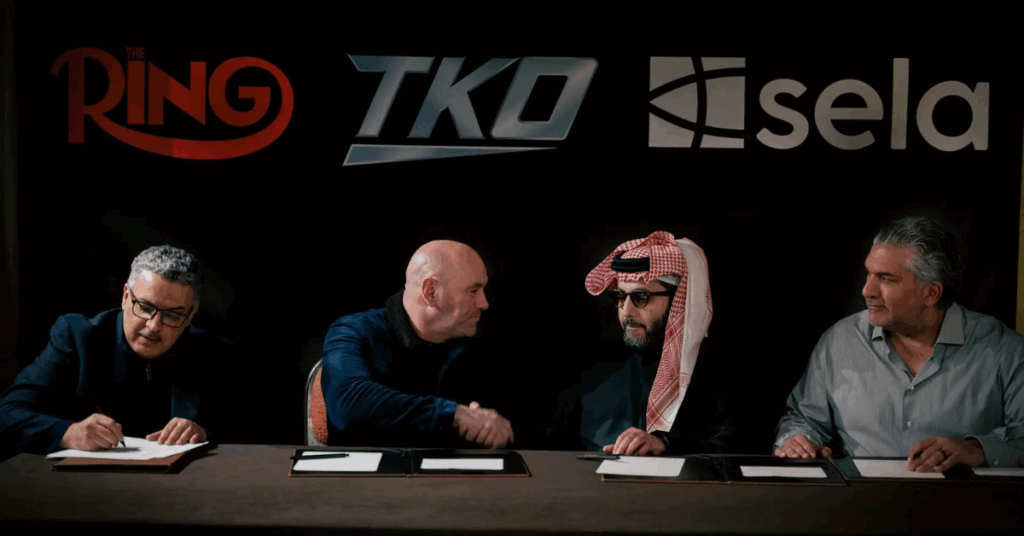
Zuffa brings UFC-scale marketing, event production and Dana White’s profile. The risk De La Hoya identifies is just as clear as a deal that looks huge at signing can carry terms that limit a fighter’s ability to shop the market later.