Top UFC Referee Demands Structural Change At Ongoing Eye Poke Fallout

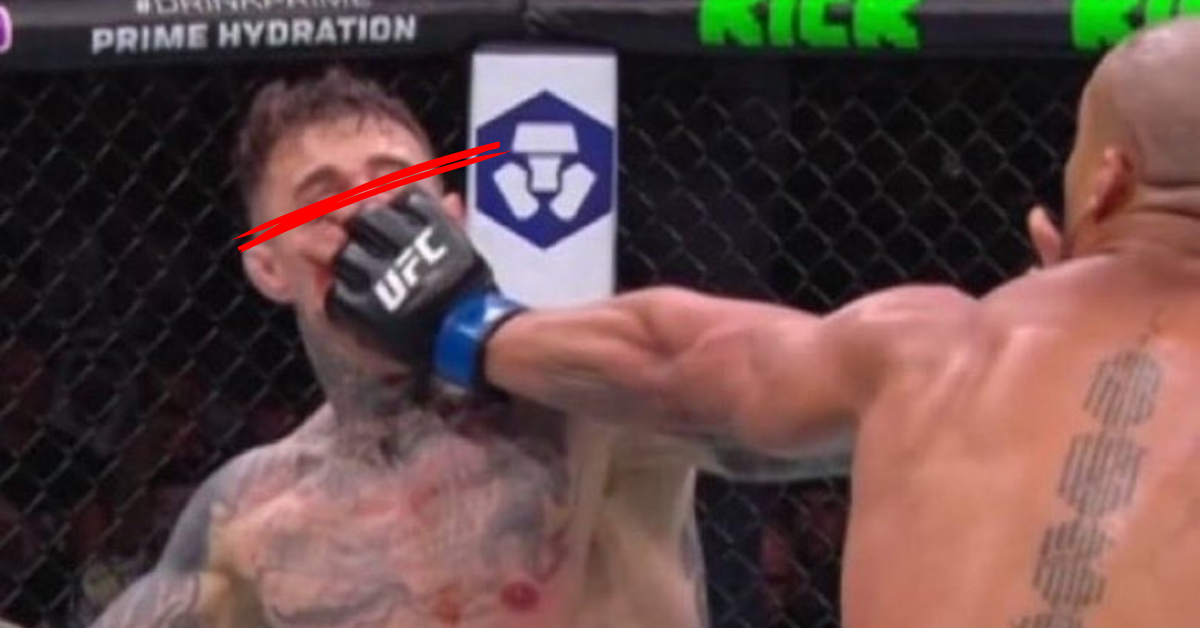
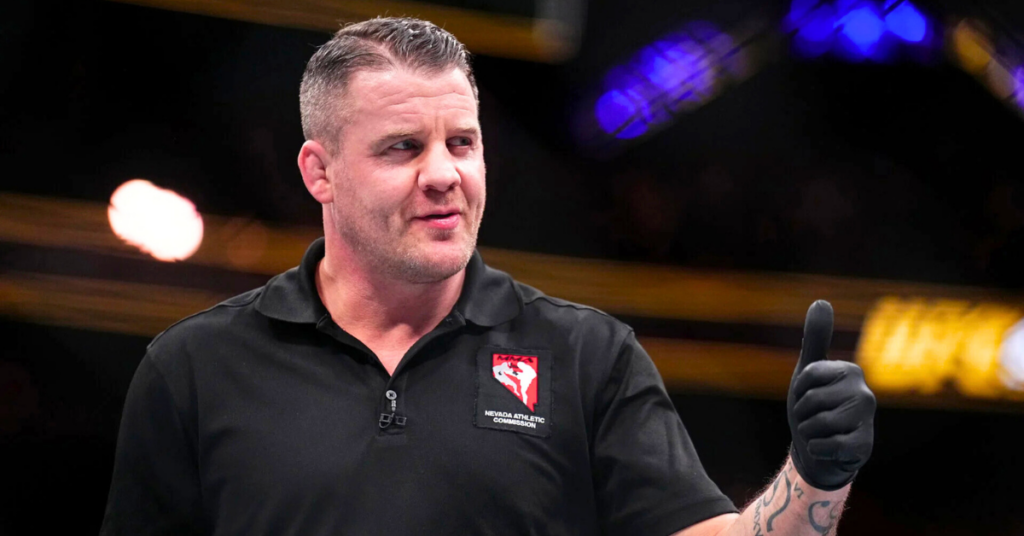
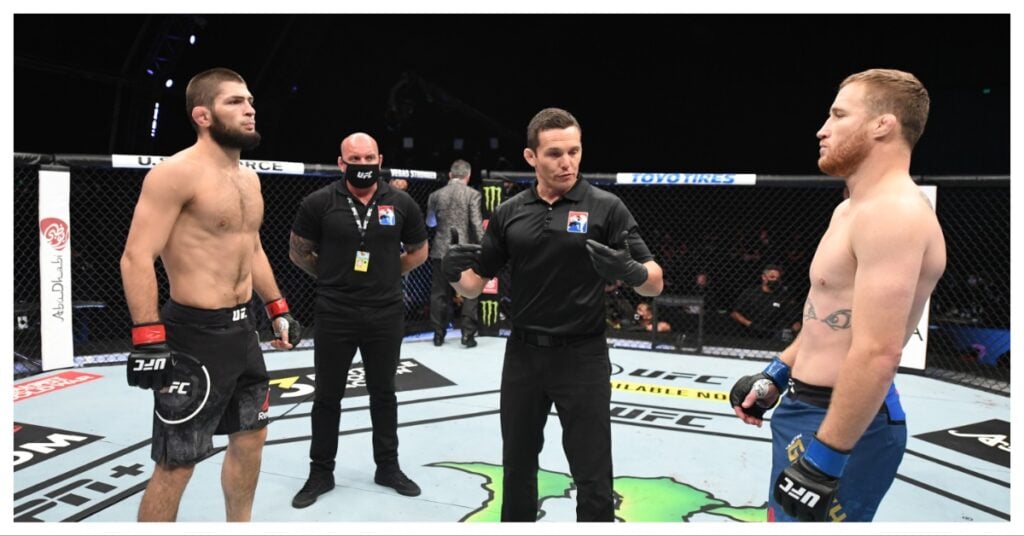
Veteran referee Marc Goddard believes the UFC must tackle eye pokes through glove design and mechanical changes to the sport, rather than rushing to punish fighters in the aftermath of incidents like the Tom Aspinall vs Ciryl Gane no contest at UFC 321.
UFC And Eye Pokes
Speaking to Helen Yee in Las Vegas ahead of UFC 323, Goddard set out his stance in the wake of the heavyweight title fight that was halted after Gane twice poked Aspinall in the eyes, leaving the champion unable to continue and sending him to hospital for specialist treatment. Aspinall later appeared on camera with one eye bandaged and ongoing vision issues, while his father confirmed days after the event that he still did not have full sight.
“I’ve been a referee for 21 years now, I’ve been with the UFC for 17 of those,” Goddard said. “Obviously we’ve had eye pokes in the past, but it was never such a prevalent thing as it is now. You had a world championship heavyweight main event get sidelined and sidetracked because of an eye poke. Nobody wants it, it’s sad, it’s not good.”
Goddard argued that focusing only on what to do after a foul misses the core of the problem. “I think there are two things. People get caught up in, ‘What do we do if there’s an eye poke?’ They want immediate deductions and fines for fighters and all kinds of things. We have to try and change the game, maybe in the way fighters stylistically approach it, but that’s the cure. I think we also need preventative measures, and a lot of that rests in the glove.”
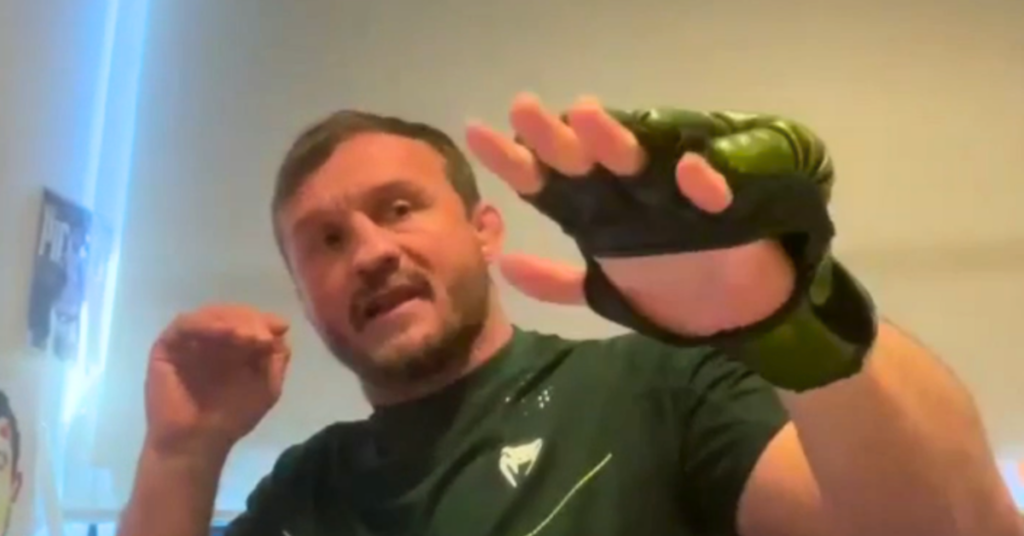
For Goddard, the glove is central to any long‑term fix. He wants a design that encourages a more neutral hand position while still allowing grappling. “I’m not saying it’s a magic wand, but if we have a difference in the glove, a design that helps keep the hand in a more relaxed, natural closed state, it makes things easier,” he explained. “Fighters still have to open their hands for grappling, but if someone is stylistically opening their hand by choice, that becomes an easier mechanic for us to deal with. Then you can deal with pokes, point deductions, all of that, in a more logical way.”
The Aspinall–Gane controversy has add more to the ongoing debate over gloves and officiating. Analysts highlighted that Gane was extending his fingers as he looked to manage distance, a common tactic in modern heavyweight striking. The result was a no contest in Aspinall’s third UFC title fight, with Gane left “disappointed, sad” and insisting “I didn’t do it intentionally,” while recalling he himself once fought through an eye poke against Derrick Lewis. UFC CEO Dana White signalled interest in rebooking the matchup once Aspinall’s eye heals.
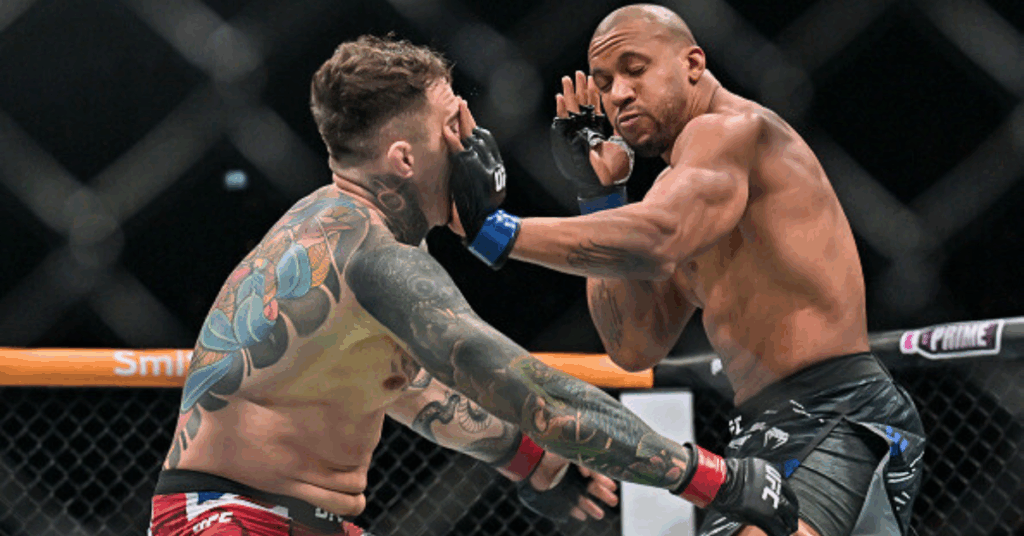
Goddard pushed back on suggestions that fighters use eye pokes as a tactic. “I can tell you this as well: fighters are not out there intentionally trying to poke people in the eye,” he said. “Try and explain that to people and sometimes you’re talking into a black hole in the abyss.”
He pointed to ingrained habits rather than malice. “Some fighters naturally fight with their hands open, stylistically, and it’s never been a problem for them. Other fighters employ a different tactic. When somebody runs towards you, it’s not natural to keep your fist closed; sometimes people are running towards you and your hands are open because you’re ready to swim inside or clinch. We have to be logical about this.”
He stressed that regulators and officials are actively engaged. “We’re still a young sport, we’re still evolving. We’ve had meetings about this, the ABC, the rules committees, all of that,” he said, referencing recent discussions with the Association of Boxing Commissions on eye‑poke protocols and equipment.
But he cautioned against expecting instant behavioural change from veterans: “If a fighter’s been fighting the same way for 15 or 20 years, no matter what we say in the locker room, they’re not going to change overnight. But how we employ things mechanically in the event of an eye poke, that can change, and we’re on it.”
Eye pokes have become a recurring problem across multiple high‑profile UFC bouts in recent years, affecting fighters across weight classes and threatening to derail significant contests. At UFC Vegas 21 in March 2021, Belal Muhammad’s first main event ended in a no contest after Leon Edwards poked him in the eye during the second round.
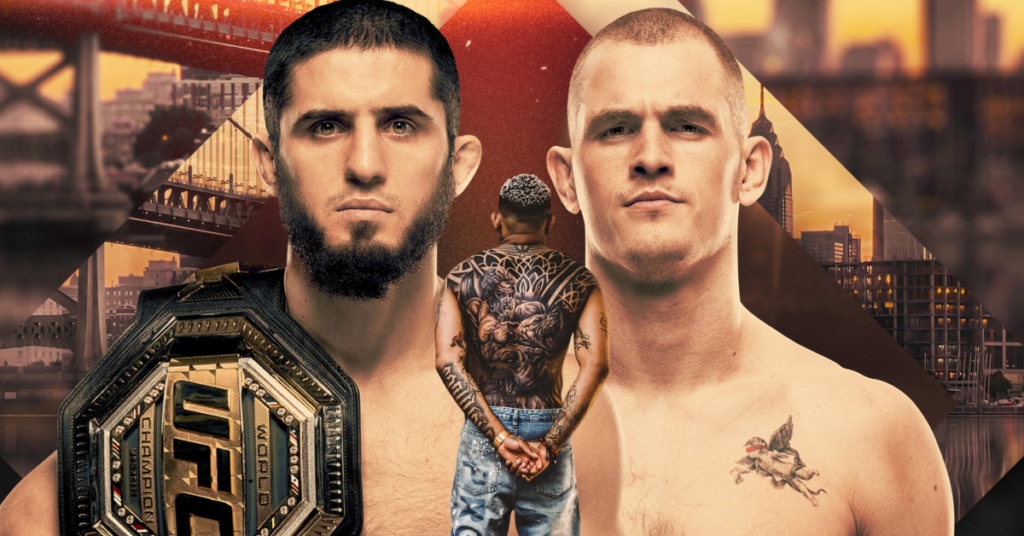
Muhammad’s eye bled heavily and required hospital treatment with stitches, leaving him temporarily with vision impairment. However, Muhammad faced similar circumstances in a subsequent bout against Ian Machado Garry, where he suffered three eye pokes during the fight without receiving point deductions, ultimately losing by unanimous decision and questioning whether Garry had deliberately employed the tactic.
Henry Cejudo experienced one of the more severe injuries when Song Yadong caught him in the eyes during the third round of their UFC Seattle main event in February 2025. Unlike Aspinall, Cejudo used his five minutes of recovery time to continue fighting and completed the round, resulting in a technical decision loss rather than a no contest. Five weeks after the incident, Cejudo remained unable to see clearly and reported double vision when looking downward, describing the injury as the worst of his career.
That history informs his current insistence that intent is almost never part of the equation. “In 21 years as a ref, in a free‑form fight when people are exchanging blows, I’ve never once thought a fighter has intentionally poked someone in the eye. It just doesn’t happen like that,” he told Yee. “Unfortunately, stylistically, bad things sometimes happen in fights, and we’re going to tackle it.”