Dan Ige’s Greedy Mindset: Why This UFC Weekend Is About More Than Rankings

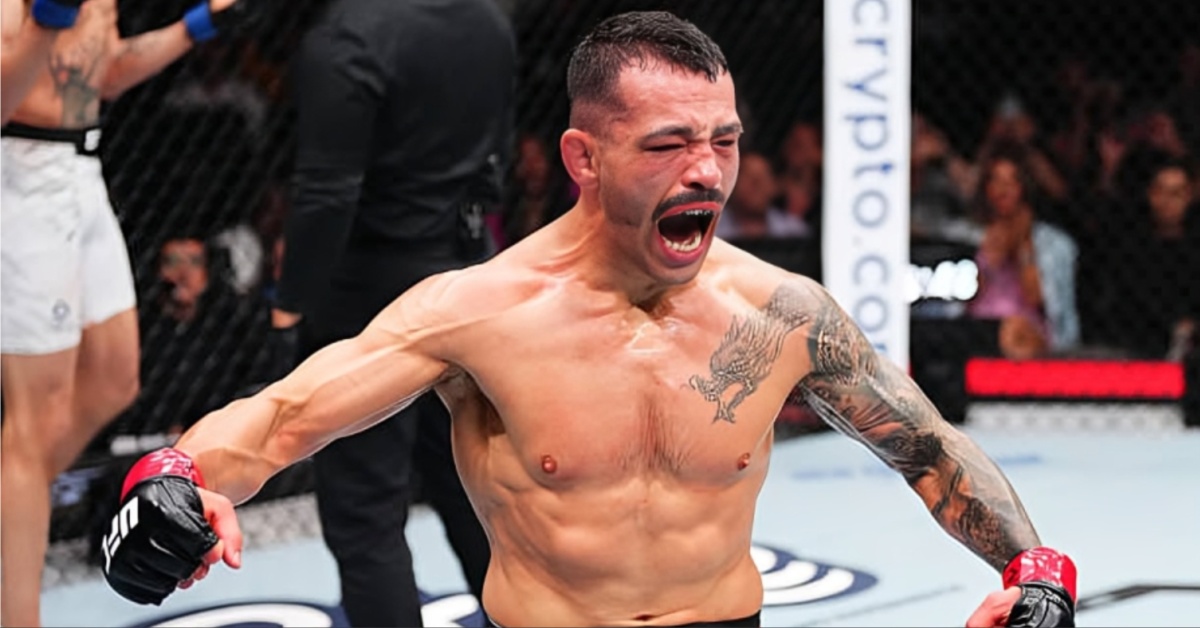
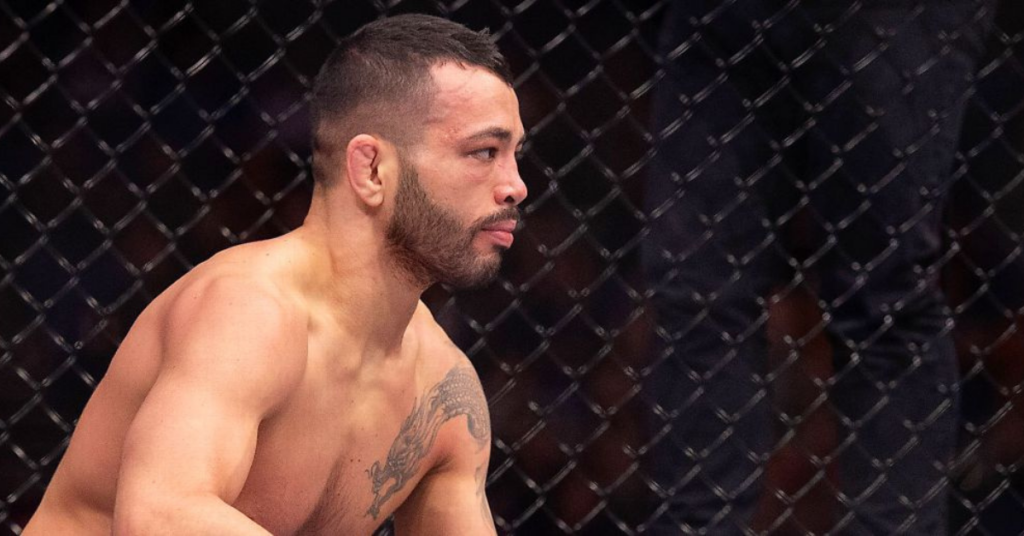
Dan Ige heads into UFC Fight Night in Houston this weekend with a simple goal: get back in the win column and keep his spot in a loaded featherweight division. At 34, the Hawaiian brings a 19-10 professional record and 12-9 UFC record into his matchup with Melquizael Costa, a 29‑year‑old Brazilian sitting ranked #14 at 145 pounds. Ige is currently slotted at #17, and the odds lean slightly toward Costa, reflecting the younger fighter’s five‑fight win streak and rising momentum.
Battle‑Tested Dan Ige Steps Into Houston: A Veteran’s Take on Wins, Losses, and Legacy
Ige’s recent run has been tough. In his last five UFC outings, he has lost three times, including back‑to‑back losses to Patricio “Pitbull” Freire and Sean Woodson after earlier setbacks to Lerone Murphy and Diego Lopes. His fight with Pitbull, a three‑round decision at UFC 318, stands out as a clear example of how narrow margins can define outcomes. The judges scored all three rounds 29-28 for Pitbull, a decision that came down to a handful of key moments. Ige has described it bluntly:
“Yeah. Don’t get stuck in a cradle for 30 seconds. That’s basically what it came down to. He got one. Round one wasn’t much, but it came down to that 30 seconds of control on the ground.”
He adds that he felt the fight was closer than the scorecards showed. “Round two, he hurt me. Round three, I hurt him. I finished strong. I didn’t get the decision. What is there to work on? You just keep getting better and move on. I don’t dwell in the past. Try to stay present, focused, and always getting better. Outcomes are sometimes out of our control. We prepared as best as we could and here we are, better version.” That mindset is central to his approach heading into the Costa fight: less about chasing validation, more about steady improvement.
Facing Costa, a five‑win‑streak contender on the cusp of top‑ten status, is a different weight class of pressure than when Ige was rising through the ranks. Costa is favored and widely seen as a fighter on the way up, while Ige is viewed as one who must prove he still belongs among the division’s upper tier. Ige’s view of the matchup is deliberately stripped of hype.
“Honestly, it’s just a fight. I don’t really play too much into the rankings and the hype and the win streaks. Every fight’s a different puzzle. He’s earned a shot, he’s looked great, but he’s going to be standing across from me Saturday night and have to deal with me.”
He does not downplay the stakes. “What does it do for you to beat him? It puts a win on my record, doubles my paycheck, good investments for my family, and sets me up for the next one. It’s about getting wins, collecting checks, collecting necks. Go out there and get a dub and we’ll see what happens.” That last line captures Ige’s practical, almost business‑like attitude: each fight is a chance to secure his family’s future, not just chase belts or highlight‑reel finishes.
Even so, he still carries the kind of knockout‑driven mentality that earned him the nickname “Dynamite Dan” and later “50K” for his post‑fight bonus tally. Every one of his UFC bonuses has come via knockout or finish, not via Fight‑of‑the‑Night. When asked if he is chasing a Fight‑of‑the‑Night award against Costa, he is quick to dismiss it. “I prefer to not have Fight of the Night. I like Performance of the Night. Fight of the Night means the other guy has a chance. I don’t want to give this guy any chances and go in there and be greedy and take what’s mine.” For him, the ideal scenario is to finish early, finish cleanly, and leave no extra money on the table.
Ige’s relationship with his corner and his training environment has been a constant through these ups and downs. He has long been associated with Extreme Couture and head coach Eric Albarracin, and the two have stayed together through multiple losing runs. “
A lot of guys in MMA are always looking for the holy water, bouncing gym to gym. You lose one fight, just go back and work on the basics. You don’t have to find something new if you already have a good relationship with your coach. I have a great team around me, not just Eric, but my brother‑in‑law Sky and a bunch of hungry young guys who want to be in my position. We help each other grow.”
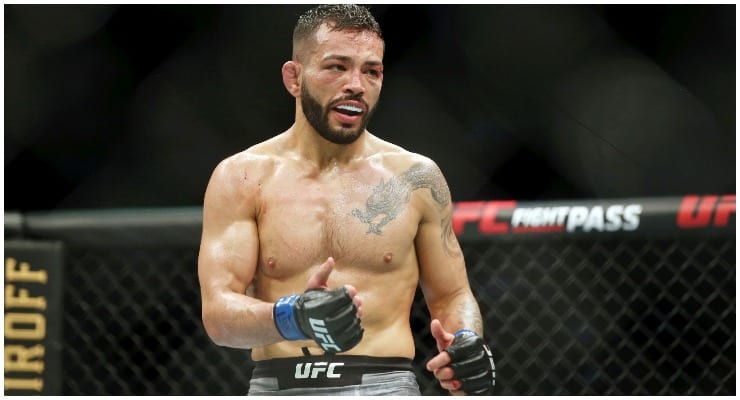
Another recent story around Ige has been a dispute over his fight shorts, which intersected with UFC’s color‑coding policy for Venum gear. The promotion initially balked at him wearing red shorts for his Houston bout, tying gear color to the country the fighter represents. Ige pushed back, and the situation drew attention when he posted on social media that he was being told he could not wear red. The UFC’s UFC president later called him and cleared the issue.
“Hunter called me and said, ‘Why don’t you call me?’ He asked, ‘Who the [__] told you you can’t wear red shorts?’ I told him I didn’t want to bother the boss over a pair of shorts. He said I could have red shorts if I wanted them, so I’m wearing red shorts.”
Beyond the fight‑night optics, Ige’s motivation is rooted in his life outside the Octagon. He turned 34 in 2025 and will be 35 by the end of 2026, and he points out that his blood work reads like someone years younger because of his training and recovery habits.
“I take a lot of pride in being able to wake up and train hard, treat my body with respect, put the right food in it, sleep right, recover. I’ve had zero surgeries in my career. I’m 34 turning 35, but my blood work says I’m 21. It’s the stuff no one sees that matters. Being able to train hard and still go home and be a good dad and a good husband—that’s more important than fighting.”
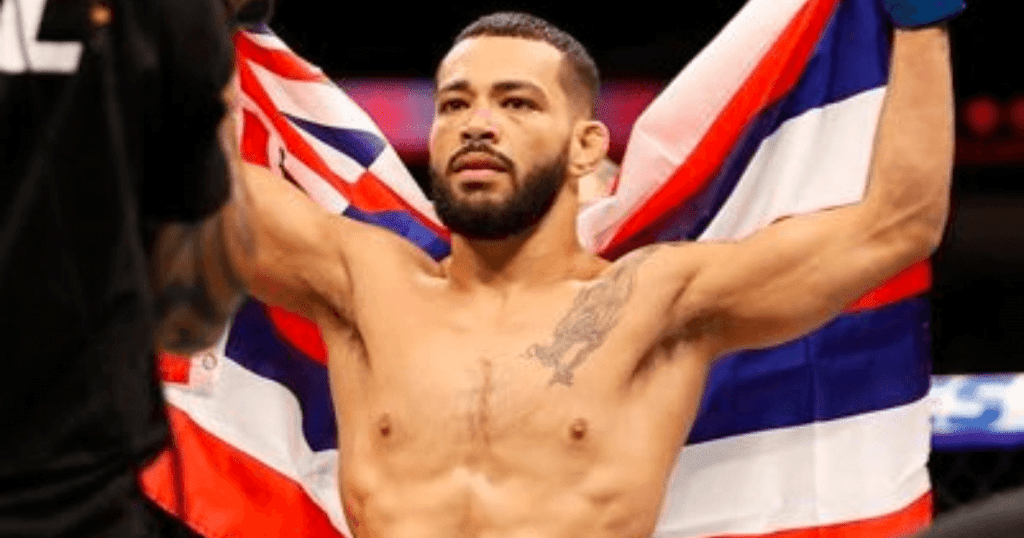
When he first entered the UFC, he said his end goal was to leave the sport healthy enough to open a gym in Hawaii and give local fighters a real pathway. Today, he admits that vision is more complicated. “I guess my health is not intact, but that idea still hits home. The Hawaii regional MMA scene is dead, and there’s so much talent out there without opportunities. Gyms, promotions, fights—it’s hard to get anyone out to Hawaii because it’s expensive. I haven’t thought a ton about it, but if I can help manage fighters or be involved in Hawaii MMA, I’d love to do something like that after fighting.”
For now, his focus is on this weekend and the immediate future. “I didn’t have kids back then. My kids and my wife are the most important thing in my life. I just want to make sure they’re good and they’re comfortable. That’s what I’m working hard for: land, a future, security. Belts, titles, that’s just bonuses. If I get one, amazing. I still want to be champion and I still believe I can be, but it’s not what gets me out of bed. I’m a champion in the way I live my life, the way I show up, the way I treat people. If I get a belt, that’d be cool because I make a little more money.”
Against Melquizael Costa, Ige is once again walking into a fight that feels like a fork in the road. A win keeps him in the upper tier conversation, gives his family a financial boost, and buys more time to chase his evolving vision for life after fighting. A loss, given his age and recent record, raises questions about how many more opportunities he will get. His approach, though, remains the same: stay present, keep improving, and let his hands speak louder than the odds. “Just keep getting better. That’s the goal. Every day, a better version.”