Badr Hari Breaks Silence on Losing Streak: “That hard edge was suddenly gone”

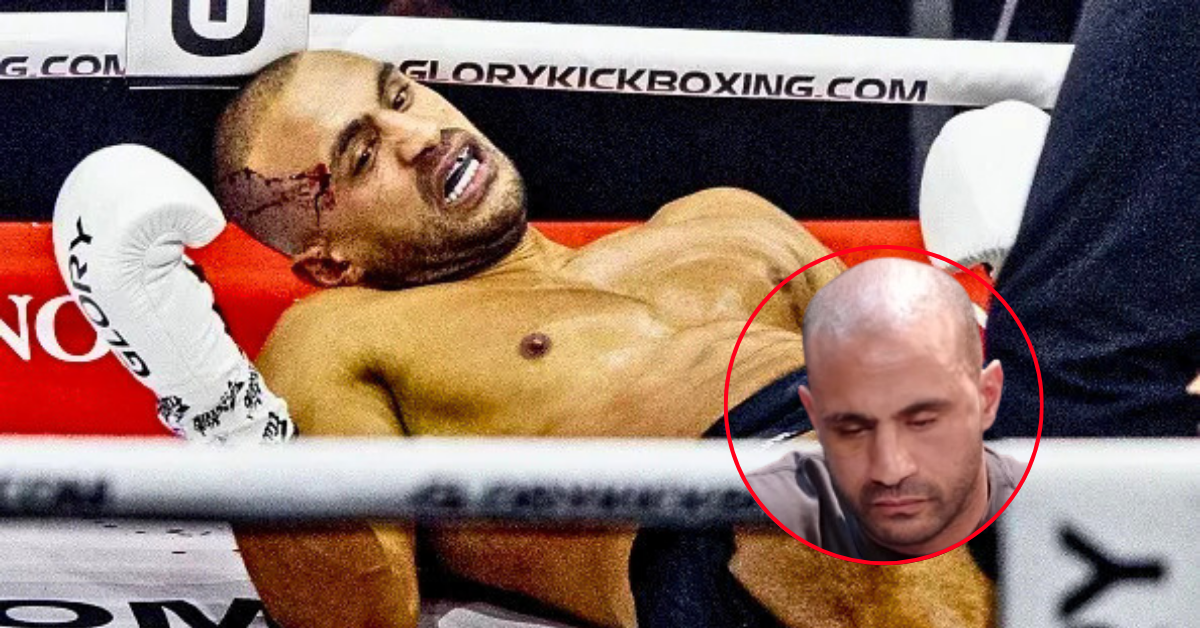
Badr Hari has finally given a direct explanation for the late-career slide that has followed him through the back end of his GLORY run. He said the issue was not a lack of technique or reputation, but the loss of the mentality that once defined him: “I just couldn’t go full force at my opponents anymore. That hard edge was suddenly gone.”
Badr Hari Opens Up on Career Slide
For years, Badr Hari built his name on intimidation, pressure, and sudden violence in the ring. That image stayed intact even as the results changed, which is why his latest explanation stands out. Hari said his recent losses came when he could no longer attack with the same full commitment, speaking with FSI247 he added, “I just couldn’t go full force at my opponents anymore. That hard edge was suddenly gone.”
It is a striking admission from one of kickboxing’s most-watched heavyweights. Hari opens up and this is different from the usual fight-week talk. Instead of framing the losses around bad luck or one moment in a bout, he tied them to a shift in his own approach, and that gives a clearer lens for the final years of his career.
Badr Hari began kickboxing at age seven after his father sent him to a gym in Amsterdam so he could defend himself from neighborhood bullies. He went on to become one of the sport’s most dangerous names, collecting wins over major heavyweights and building a reputation that carried from the Netherlands to Japan and Morocco.
Hari’s rise had defining moments that still sit near the top of any career recap. In 2005, he was knocked out by Stefan Leko with a spinning back kick, then beat Leko later that year with a spinning high kick in the rematch. In 2007, he stopped Yusuke Fujimoto in 56 seconds to win the K-1 heavyweight division title.
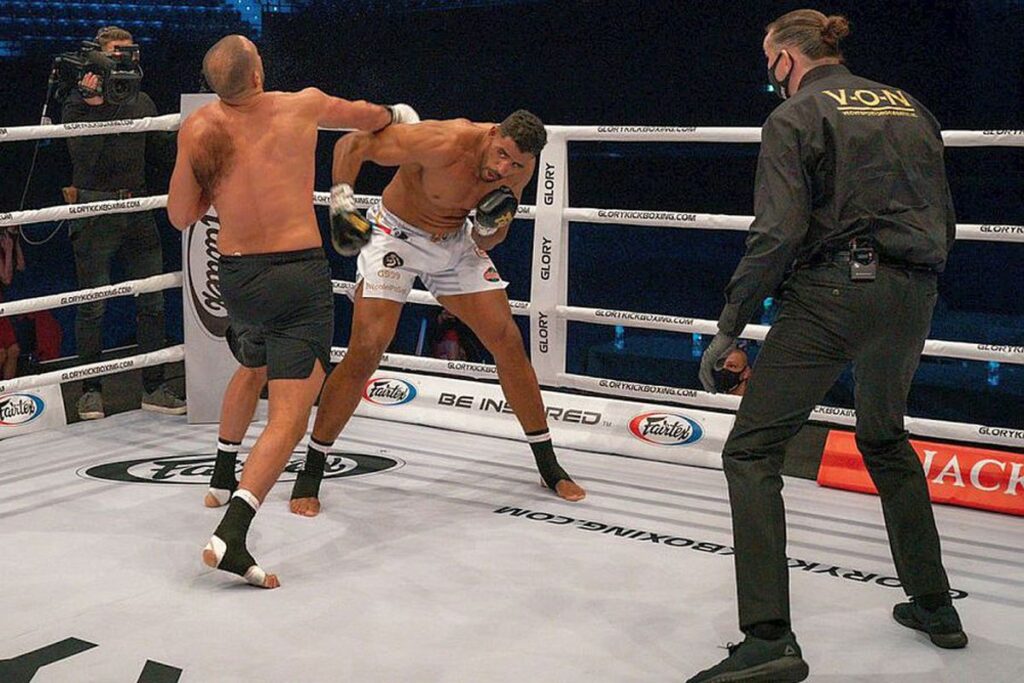
That is why the recent downturn always felt bigger than a simple losing streak. His GLORY match against Rico Verhoeven in December 2016 ended in a second-round TKO after an arm injury, in a fight that had been billed as one of the sport’s biggest matchups. The years after that brought more setbacks, including long layoffs, more defeats, and a growing sense that the old Badr Hari danger was showing up in flashes rather than full fights.
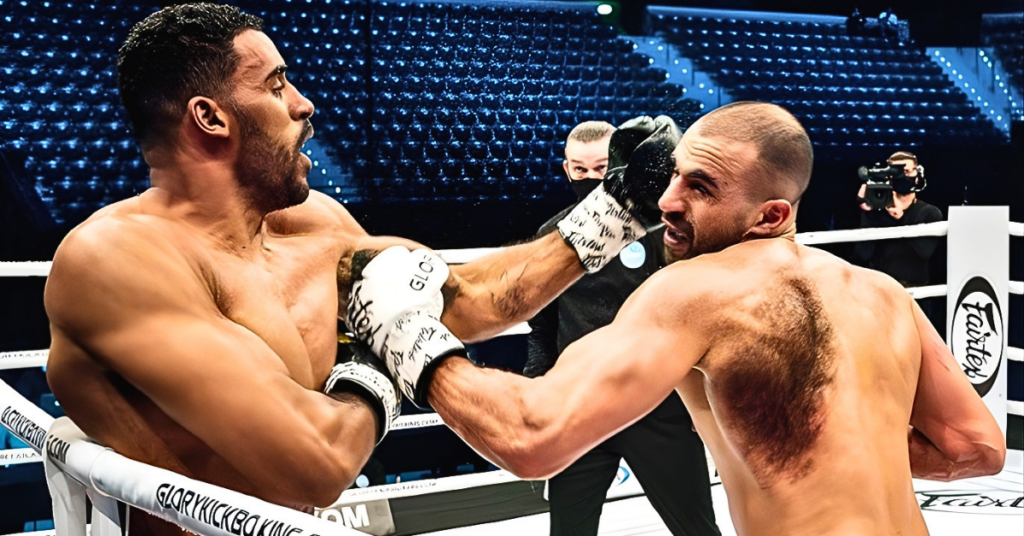
The tension in Hari’s quote is that it points to something harder to repair than timing or conditioning. Fighters can adjust tactics, rebuild after injury, or change camps, but the willingness to go forward without hesitation is tied to identity. When Hari says the “hard edge” was gone, he is describing the part of his game that made him feared in the first place.
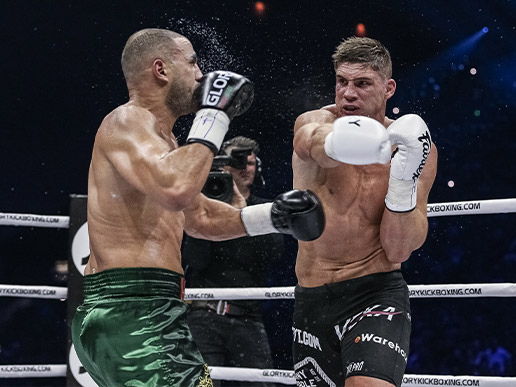
With losses to Rico Verhoeven, Arkadiusz Wrzosek, Benjamin Adegbuyi, Alistair Overeem, and Uku Jürjendal often focused on injuries, age, and decline, but Hari’s own explanation suggests the problem felt deeper than any one physical issue. His loss to Verhoeven came after the arm injury, he later went through more inactivity and setbacks, and by October 2022 he was openly considering stopping after the loss to Overeem.
The last phase of his career has therefore looked like a mismatch between aura and outcome. Fans still saw the long walkouts, the name value, and the threat of a sudden finish, yet the results did not follow in the way they once did. Hari’s quote closes some of that gap, because it frames the decline as an internal change in aggression rather than a mystery that outsiders had to guess at.
Whether this becomes the defining explanation for his final stretch, it already feels like the clearest one. Badr Hari’s career was built on force, menace, and a willingness to meet opponents head-on. By his own account, the losses started to pile up when that instinct faded, and in a sport like kickboxing, that is the kind of change no resume can fully cover.