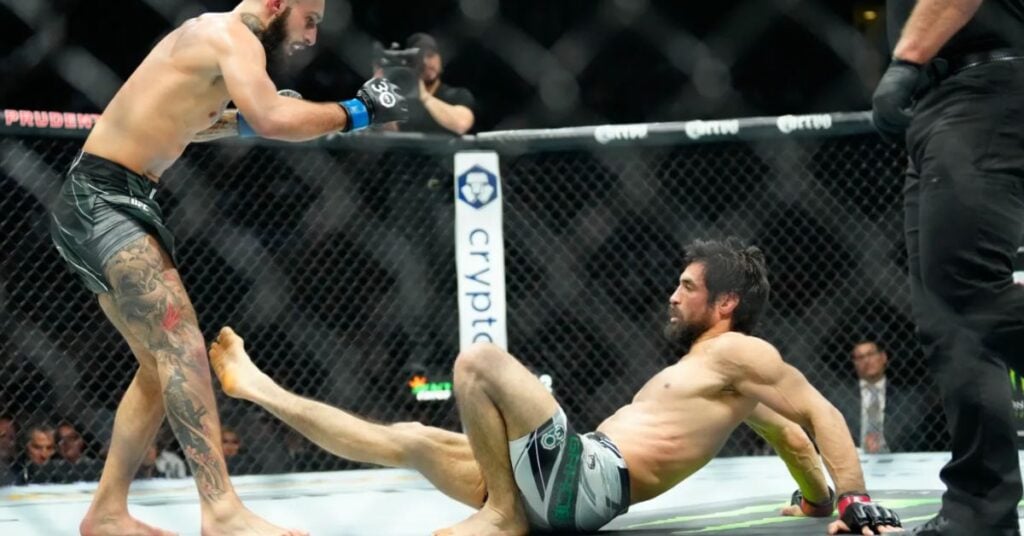
Come to Brazil? The UFC Says No Thank You

Come to Brazil? Right now, the answer from the UFC appears to be no. Reporter Guilherme Cruz has reported that the promotion has no plans for a card in Brazil in 2026, even after a successful UFC Rio headlined by Charles Oliveira. The issue, he said, is money: Brazil is not delivering what the company wants on tickets, pay-per-view and government support.
Come to Brazil? The UFC Says No
Cruz posted that the UFC has “no plans for a card in Brazil in 2026” based on his reporting, stressing that the situation could change but that finances are the current obstacle. Looking at the 2026 schedule confirms the picture: through the first half of the year, events are lined up in Las Vegas, Newark, Houston, Mexico City and Macau, with none booked for any Brazilian city. That absence stands out in a country that once hosted multiple cards a year.
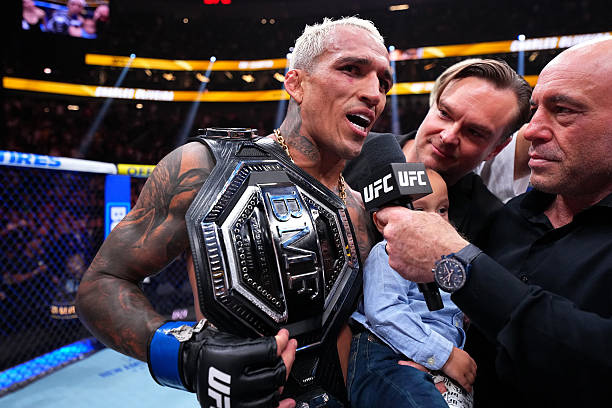
The decision comes after a strong night for the brand in Rio de Janeiro in October 2025. Charles “Do Bronx” Oliveira submitted Mateusz Gamrot in the main event at Farmasi Arena, extending his unbeaten run at home and adding to his records for most finishes, submissions and performance bonuses in UFC history. The card produced eight wins for Brazilian fighters and a loud arena, and Oliveira’s performance was framed as a redemption moment that sent the crowd home happy.
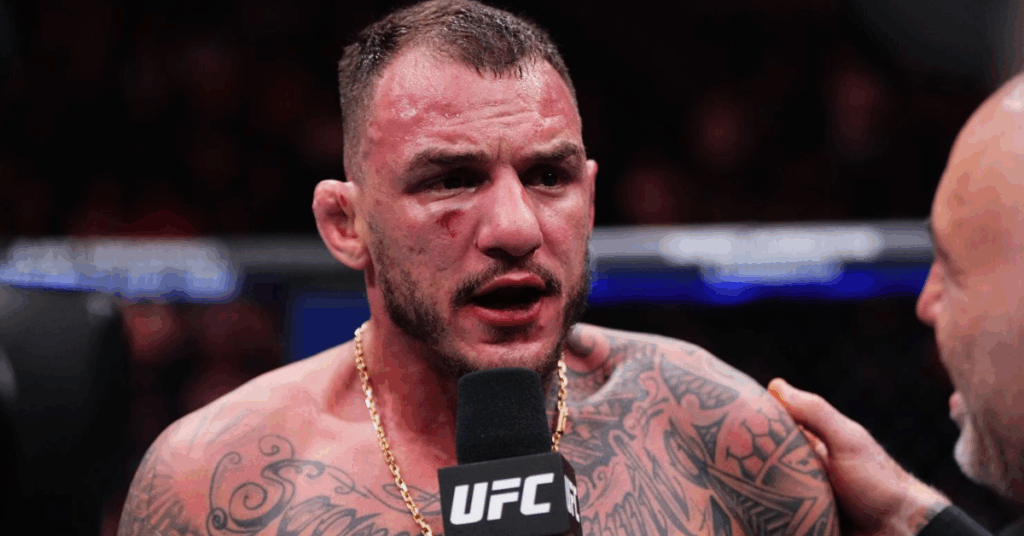
Despite that atmosphere, the numbers behind the market look difficult. Lightweight contender Renato Moicano, speaking on his own show, broke down how fans in Brazil pay around 25 reais, roughly 5 dollars a month, for Fight Pass and get every UFC event, including pay-per-views, in that subscription. That structure means Brazil does not function as a traditional pay-per-view market, and Moicano argued that the local economy and weak currency make it harder to sell higher-priced products and big tickets. He also pointed to lower ticket revenue in Brazilian arenas and said that without strong pay-per-view money or high gate figures, event economics become tight.
At the same time, other regions are paying to bring events in. Public documents and reporting around a card in Singapore showed the UFC receiving a site fee worth several million dollars from a tourism board, an example of the “you want a card, you pay us” model fans and analysts describe. When governments or local partners underwrite costs, the promotion can capture guaranteed income before a single ticket is sold. Brazil, according to Cruz, is not currently delivering comparable government incentives.
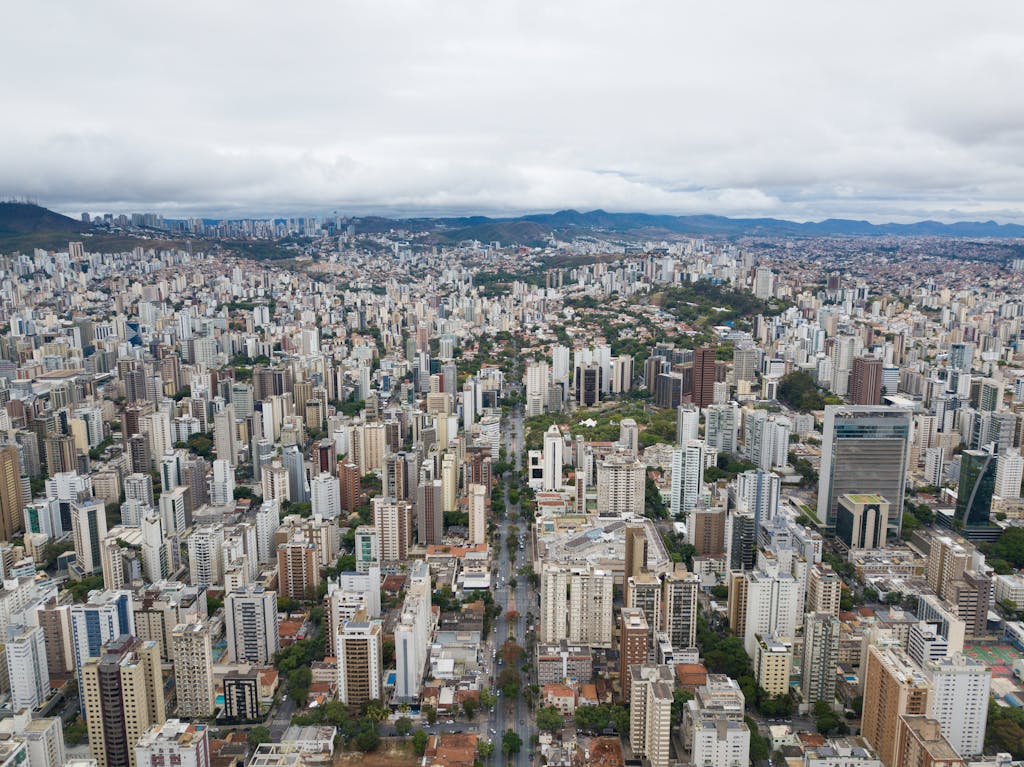
All of this lands in a country that helped build the UFC name. The promotion first staged UFC Brazil in São Paulo back in 1998, featuring names like Vitor Belfort, Wanderlei Silva, Frank Shamrock and Pedro Rizzo. In the following decades, Brazil hosted landmark shows such as UFC 198 in Curitiba, which drew more than 45,000 fans to Arena da Baixada, and UFC 237 in Rio, where Jessica Andrade won the strawweight title in front of over 15,000 spectators.
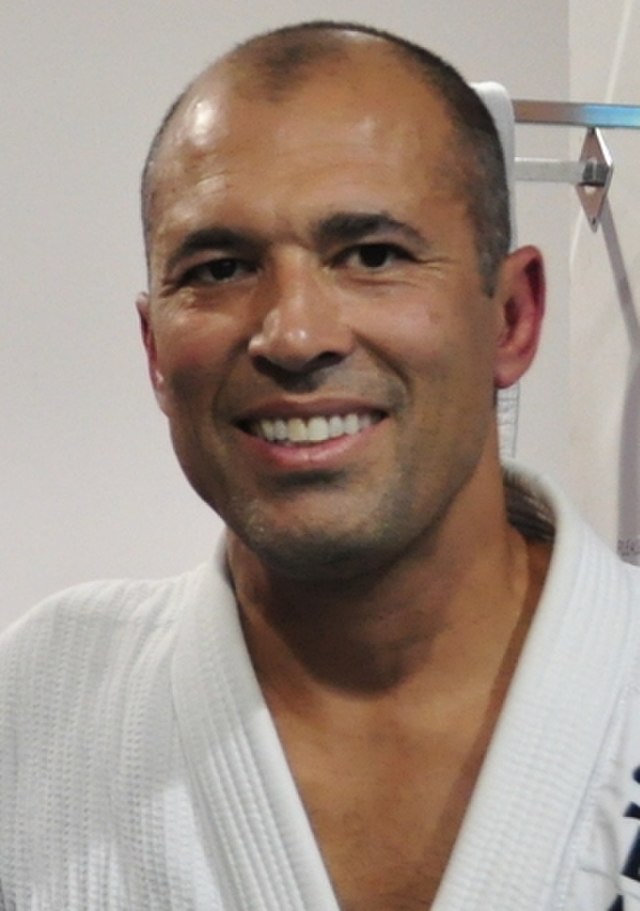
Brazil has shaped MMA and the UFC from the ground up. The Gracie family challenge in Brazil laid the technical and cultural foundation that led directly into the launch of the UFC and the rise of Brazilian jiu-jitsu as a global staple of fight training. By the time the promotion brought UFC Brazil: Ultimate Brazil to São Paulo in 1998, featuring names like Vitor Belfort, Wanderlei Silva and Pedro Rizzo, the country was already seen as a heartland for the sport, and that status only grew in the eras of Anderson Silva, José Aldo, Wanderlei Silva, Amanda Nunes, Shogun Rua, Alex Pereira, Charles Oliveira and other champions who kept Brazil at the center of the title picture for years.
In Rio and other cities from the 1960s through the early 1990s, Vale Tudo “anything goes” fights became the stage for a bitter rivalry between Brazilian jiu-jitsu teams and Luta Livre camps. These clashes blurred the line between official events and street beefs, with challenges happening in gyms, on beaches and in small arenas.
Cruz left the door open to a late change if money and incentives shift, but at the moment the UFC is steering its 2026 calendar away from Brazil and toward markets that offer higher guarantees and richer broadcast deals. For Brazilian fans, and for fighters like Oliveira who can fill an arena at home, the message is clear enough: The UFC is not going to Brazil.