Financial Crisis at Karate Combat as Fighters, Vendors, and Partners Allege Non-Payment

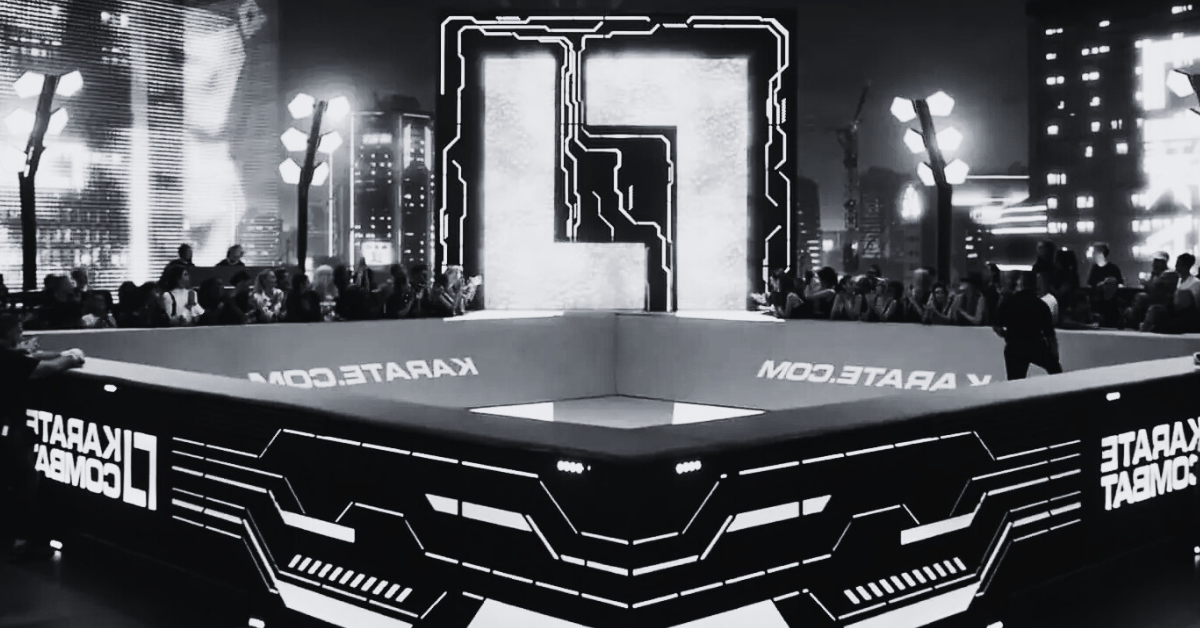
Karate Combat is currently navigating its most severe operational crisis since inception, facing a convergence of public allegations regarding unpaid wages, active lawsuits from production vendors, and disputes with cryptocurrency partners. Reports from December 2025 indicate that the organization has failed to compensate key talent and staff for months, leading to speculation about its solvency heading into 2026.
Public commentary forums have echoed these concerns, noting repeated criticism of Karate Combat for late payment to both fighters and production personnel and suggesting that the organization may be in difficulty if this pattern continues. In these discussions, community members have linked payment problems with a noticeable decline in production quality and uncertainty over the league’s future.
Fighter Payment Disputes with Karate Combat
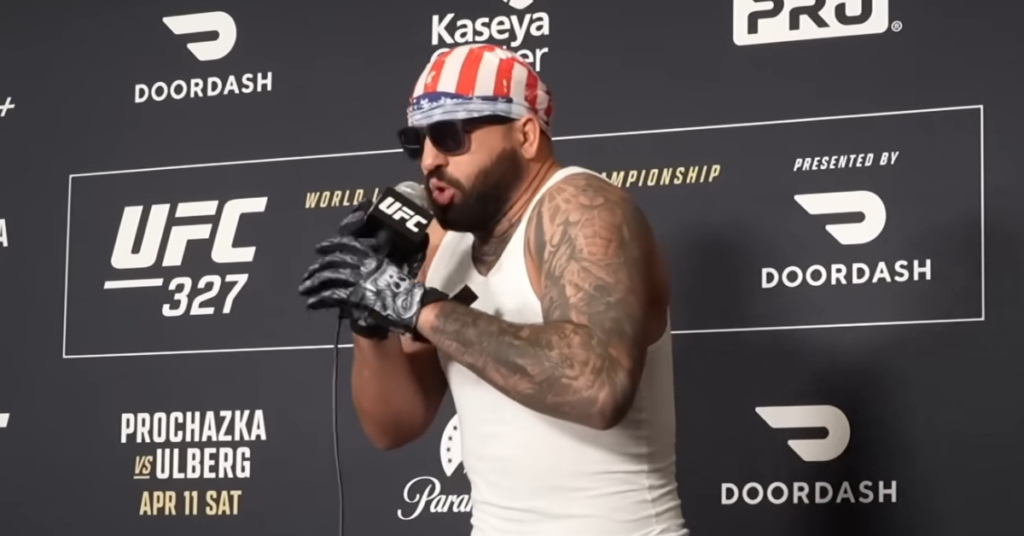
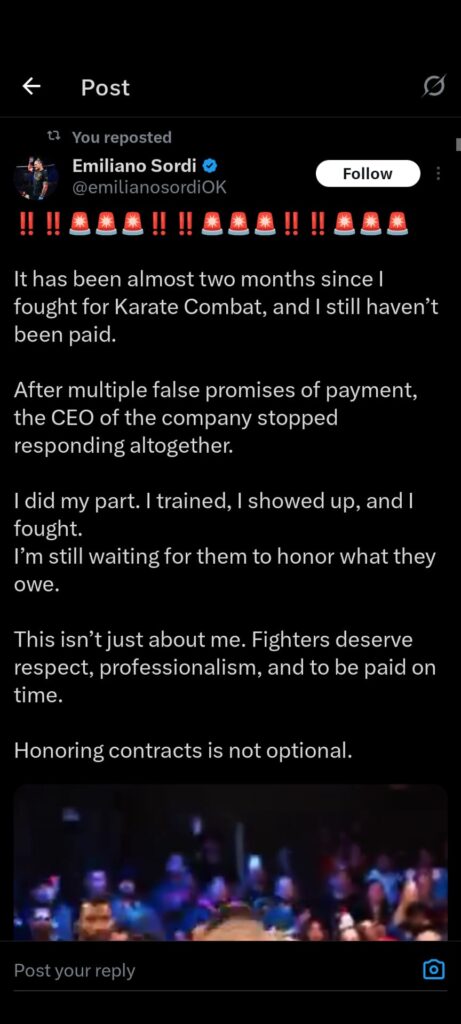
The most visible complaints have come from the league’s athletes, who have taken to social media to demand their contracted purses. On December 17, 2025, fighter Emiliano Sordi issued a public statement alleging he had not been paid nearly two months after his bout. Sordi claimed that after receiving “multiple false promises of payment,” the organization’s leadership ceased communication entirely. He framed the issue not as a clerical error but as a breach of professional respect, stating, “I did my part. I trained, I showed up, and I competed.”
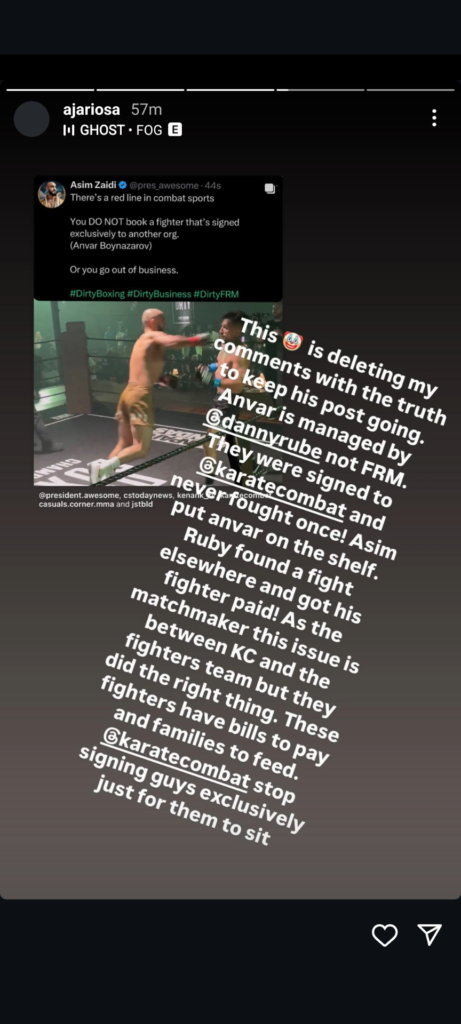
This incident follows a similar pattern involving former UFC veteran Luis Peña. Reports confirm that Peña posted on Instagram regarding unpaid wages, only to delete the post shortly after. Sources indicate that Peña was eventually paid, but only after the public pressure of his social media disclosure. In an interview, Karate Combat President Asim Zaidi acknowledged the deletion, suggesting that disparagement clauses in contracts may be silencing other frustrated athletes.
Additionally, entire gyms, management teams, and fighters behind the scenes, who asked to remain anonymous, have informed us of issues with non-payment with Karate Combat.
Comments in online discussions have also touched on gym owners and managers tied to Karate Combat’s leadership, alleging that fighters under those banners have not been competing regularly and implying financial strain that could affect revenue splits and fighter livelihoods.
“Can confirm. Never got any of my tokens and I fought in Austin TX, May of 2024…”
“I was running their entire Instagram social account for more than 1 year, was booted without even letting me know, and for more than 6 of those months – there has been no employee payment. We were promised pay month after month, lied straight up to our faces. I really hope everyone stays FAR away from this league, as workers, freelancers OR fighters.”
Vendor Lawsuits and Production Crew Walkouts
Beyond athlete compensation, the organization faces legal action from the vendors responsible for its events. Multiple lawsuits have been filed against “ITP Productions LLC,” the entity doing business as Karate Combat, for unpaid invoices totaling approximately $387,000.
- The Freeman Company: Suing for ~$221,000 related to equipment and labor for KC46 and Consensus 2024 in Austin.
- On-Set Services Inc.: Seeking ~$90,000 for services provided across events KC48, KC49, and KC50.
- Limitless Lights & Sound, LLC: Claiming ~$75,000 in unpaid fees for the KC46 event.
These legal filings corroborate reports from production staff on the ground. During a recent event in Florida, members of the production crew allegedly refused to work until they received back pay, causing significant delays. Similarly, an entire local crew in Nashville reported going unpaid after working a Karate Combat show in late 2024.
Executive Token Dumping Allegations
Compounding the organization’s cash flow issues are serious allegations regarding the financial conduct of its leadership. A governance proposal (KICK 2214) introduced in late 2025 presents forensic blockchain evidence linking CEO and Co-Founder Robert Bryan to the sale of over 800 million $KARATE tokens across 12 connected Ethereum wallets. The proposal identifies accounts with names such as “RJBIII” and “ROBERTO III” that claimed token unlocks simultaneously and proceeded to liquidate these holdings for Ethereum and USDT stablecoins between July and December 2025.
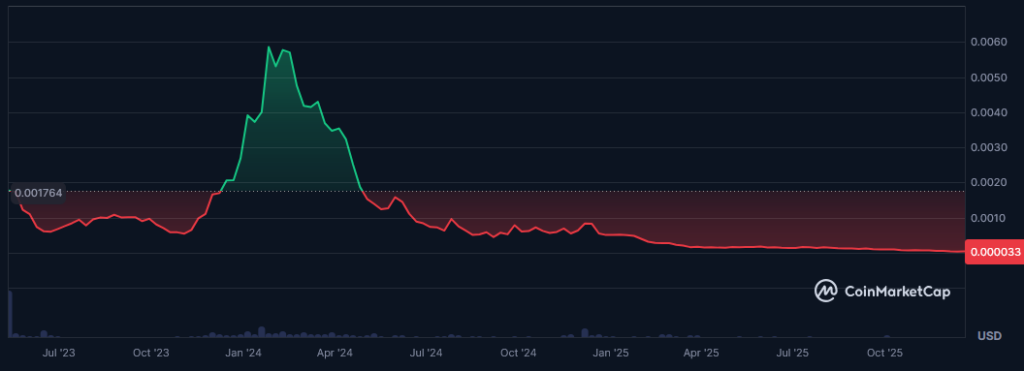
These sales occurred while the token was trading near all-time lows, creating significant sell pressure that further depressed the asset’s market value. While executives selling equity or tokens is not illegal, the scale of the liquidation during a period of unpaid vendor invoices has drawn sharp criticism from the community. The governance proposal seeks to restrict future token grants to Bryan without explicit DAO approval, reflecting a loss of confidence among stakeholders who view the dumping as sending a detrimental message about the league’s long-term viability.
Crypto Partner Conflicts and Leadership Tensions
Central to the league’s cryptocurrency operations and recent controversies is David Aho, a key executive often identified by his online handle “onlylarping”. Aho, who manages the league’s token relationships, has drawn intense criticism for his combative management style and alleged withholding of partner funds.
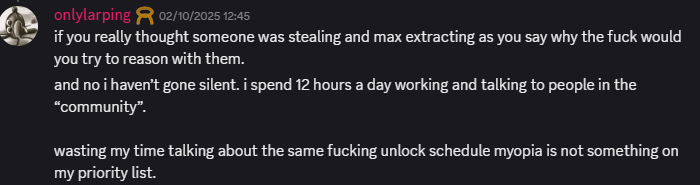
A high-profile dispute recently emerged with the “Kanpai Pandas” NFT project, where a representative alleged that Aho withheld a contracted payment of 250,000 tokens (part of a 1 million token deal) specifically because token holders had complained publicly about payment delays. The partner characterized Aho’s conduct as “blackmail” and claimed Aho used profanity when dismissing their requests for payment.
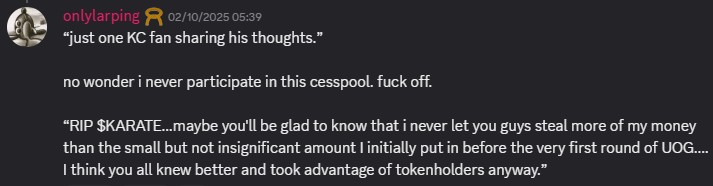
This adversarial approach has extended to the league’s digital communities, where Aho has become a lightning rod for criticism on platforms like Discord and X (formerly Twitter). Users have frequently cited his interactions as a source of frustration, with reports of bans and hostile responses to legitimate inquiries about token utility and payouts. His role as the primary interface for the “coin” side of the business places him at the center of the growing rift between the organization’s promises of Web3 governance and the reality of its financial execution.
Here are various comments from Token Holders:
“Nobody from the offfical Team gives answers, instead they are ranting on X against their own community of token holders which are heavily disappointed and concerned… for a reason.”
“Honestly its because of extremely poor tokenomics. lack of comunication from the team, and delays on up only gaming chain.”
“Did we get rugged?”
“So you guys really didn’t do anything about getting delisted on kucoin….”
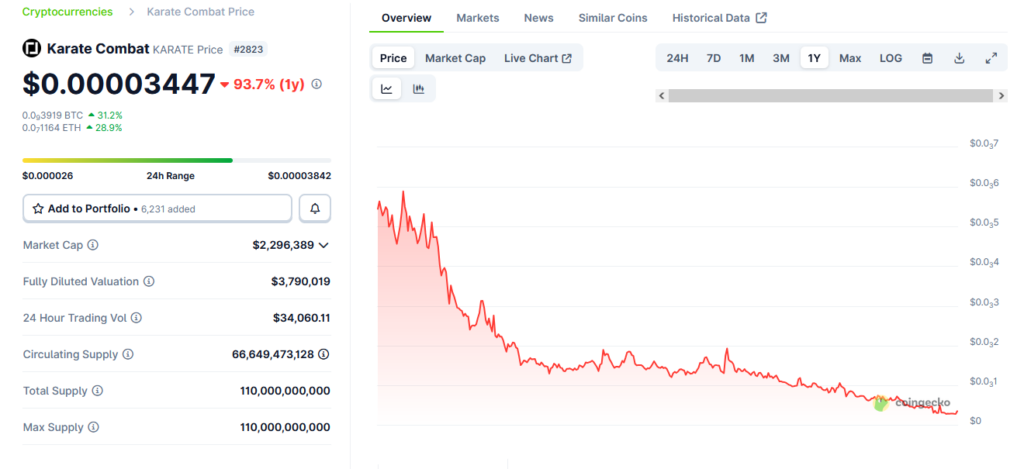
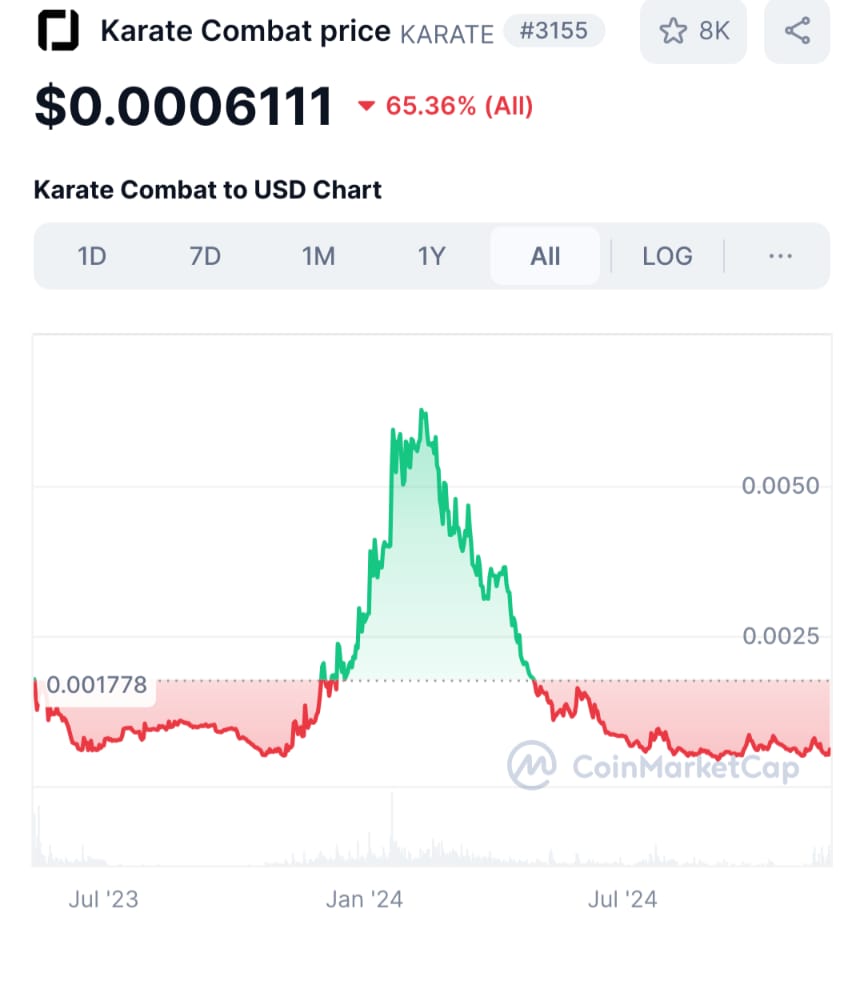
“Token price new lows WoW.”
“The time to address it was one+ year ago when the project still had momentum and heavy supporters + trust. Many early supporters have left and dont want to touch this again as they were burnt severely by the massive dumps of unpurchased tokens on market. It appears short term financial gain was favoured over long term sustainability.”
“No point playing UpOnlyGaming anymore, tokens supply is flooding the little liquidity on market and killing token value. What is the point for playing and earning something of decreasing value?”
“Being a prominent KC fan, iam sorry but i have to ask this, i hope it wont be sounded as rude. But Is the KC project even legit? Like with it already loosing over 95% of its value most of the projects are considered dead.”
Responses from David Aho directly to the Karate Combat coin community:
More community responses:
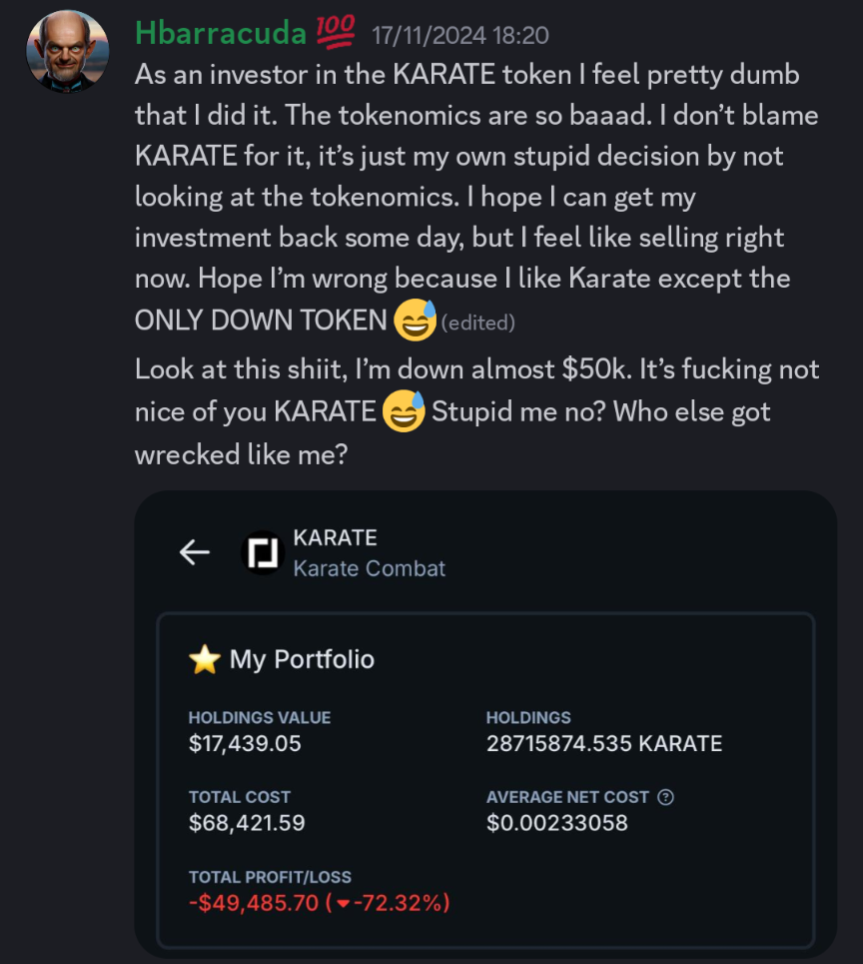
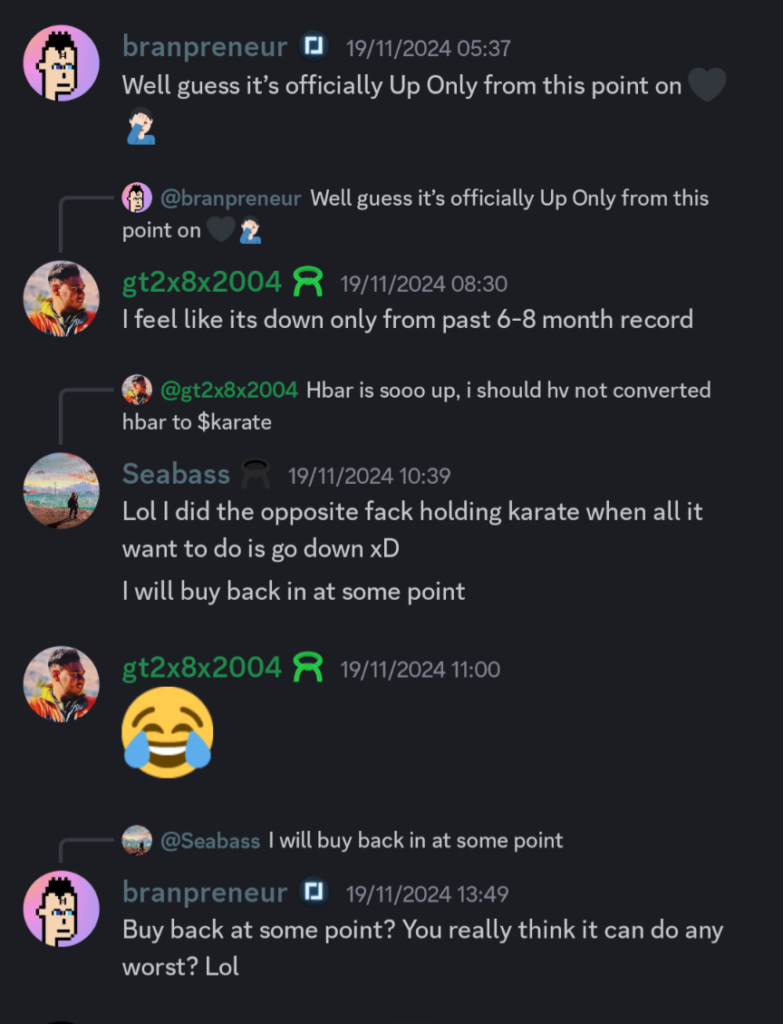
Simultaneously, questions have arisen regarding President Asim Zaidi’s dual role as league executive and gym owner. Zaidi’s “Goat Shed” academy has been a feeder for the promotion, but observers have noted a recent lack of Goat Shed fighters on cards, fueling rumors of internal cash flow issues affecting even the president’s own team. In February 2025, Zaidi announced a “relaunch” of the gym in partnership with the “BONK” meme coin, a move interpreted by some analysts as a necessary pivot to secure new funding sources amidst the broader liquidity crunch.
Outlook for 2026: In the Pits
Market sentiment around the league’s proprietary token ($KARATE) has turned “bearish” with “extreme fear” indicators, complicating the organization’s ability to raise capital through its primary crypto-native channels. With confirmed lawsuits from vendors, recurring allegations from fighters like Sordi and Peña, and strained relationships with key crypto partners, stakeholders are openly questioning whether Karate Combat can sustain operations through the next fiscal year.